 Anacortes
 Exterior Work Built for March Point's Coastal Exposure
March Point sits out on the water, tucked between Fidalgo Bay and Padilla Bay just outside Anacortes, and that location shapes everything about how a house should be built and maintained here. Homes on this point face a steady mix of salt-laden air, wind off open water, and the kind of persistent damp that Skagit County is known for. It is a beautiful place to live, but it is not a forgiving place for cheap or poorly installed exterior materials. Siding, roofing, windows, and decks all take a harder hit here than they would a few miles inland, and the homes that hold up best are the ones built with that reality in mind from the start.
We work on homes throughout the March Point area and the greater Anacortes region, and we approach every exterior project the same way: match the material and the installation method to the actual conditions the house will face, not to whatever is cheapest or easiest to install quickly.
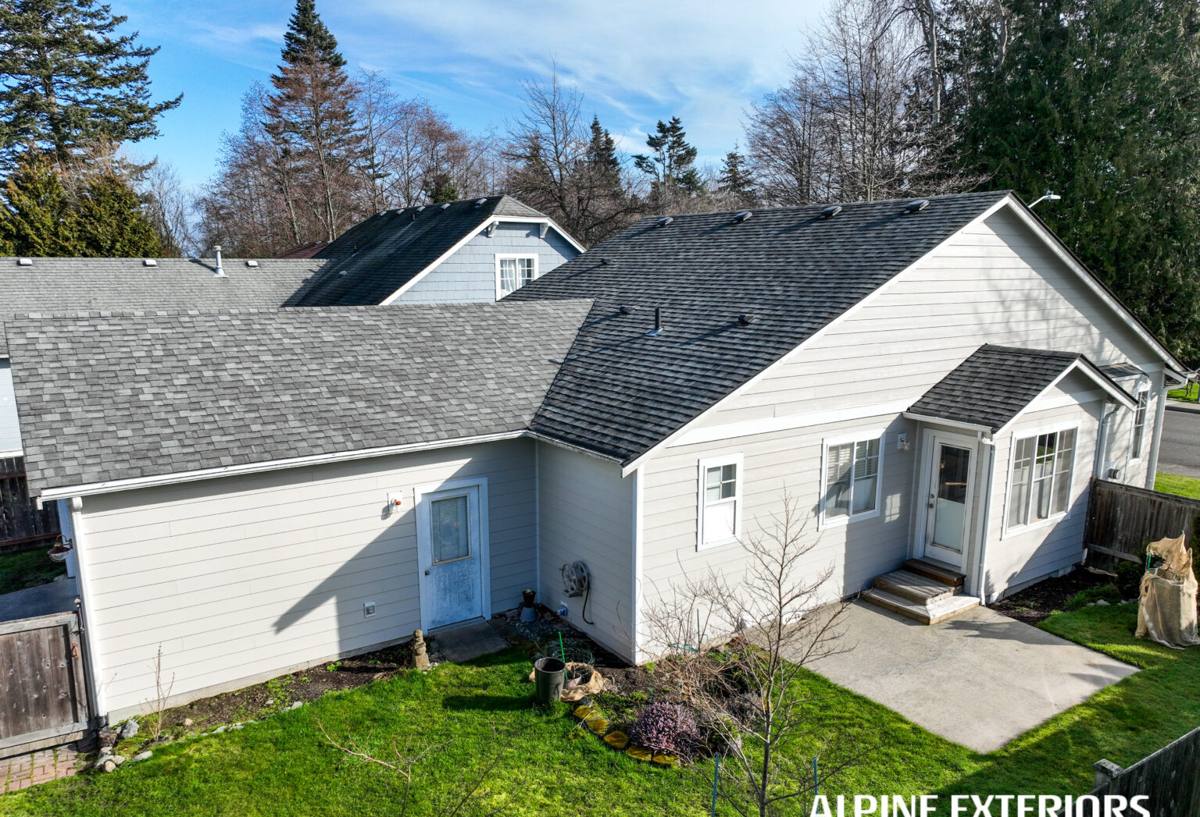
What Salt Air and Driving Rain Do to a House Over Time
Three forces do most of the damage to exteriors out on March Point:
- Salt air — corrodes fasteners, flashing, and hardware faster than it would in a dry inland climate, and it accelerates the breakdown of paints and finishes that aren't formulated to resist it.
- Wind-driven rain — pushes moisture sideways into seams, laps, and gaps that would stay dry in a calmer setting. This is what separates a siding system that merely looks good from one that actually keeps water out.
- Moss and algae growth — Western Washington's long wet season keeps north-facing walls, rooflines, and anything under tree cover damp for months at a time, which is exactly what moss and mildew need to take hold.
None of these forces are dramatic on their own. The damage they do is slow and cumulative — a fastener that rusts a little more each year, a seam that lets in a little more moisture each winter, a painted surface that chalks and fades a season sooner than it should. By the time a homeowner notices soft spots, peeling paint, or persistent green streaking, the underlying materials have often been absorbing damage for years.
Why This Matters More on a Point Than Inland
Properties directly on the water or exposed to open water views get more direct salt exposure and more consistent wind than homes set back in town or protected by tree lines. That doesn't mean every March Point home needs to be over-built — it means the material choices and installation details need to actually account for the exposure rather than following a generic, one-size-fits-all approach.
Why We Install James Hardie Fiber Cement — and Nothing Else
We made a deliberate decision as a company to install only James Hardie fiber cement siding. We don't install vinyl, LP SmartSide, Cemplank, Allura, primed spruce, or cedar, and we think homeowners deserve an honest explanation of why — not just a sales pitch for whatever we happen to carry.
The Trade-Offs of the Alternatives
Vinyl siding is affordable and low-maintenance in mild climates, but it can become brittle in cold snaps, it expands and contracts more than fiber cement, and its seams and J-channels give wind-driven rain more opportunities to work moisture behind the panels over time. Wood products like cedar and primed spruce look beautiful when new, but they require an ongoing maintenance commitment — repainting, caulking, and moisture monitoring — that most homeowners underestimate, and in a climate with this much sustained dampness, that maintenance gap is where rot and moss problems start. Other fiber cement brands, like LP SmartSide (which is actually an engineered wood product, not cement) or Cemplank and Allura, have their own merits, but we standardized on one product line so we can install it to spec every time, back it with a real warranty, and know exactly how it performs in this climate over decades — not just in the first few years.
Why Hardie
James Hardie fiber cement is non-combustible, holds a factory-applied ColorPlus finish that resists fading and chipping far better than field-applied paint, and comes in HZ5 product lines engineered specifically for climates like ours — freeze-thaw cycles, sustained moisture, and salt exposure included. It doesn't rot, it doesn't feed moss the way untreated wood can, and it carries a strong transferable warranty that matters if you ever sell the house. It costs more upfront than vinyl. We think that difference pays for itself many times over on a property exposed to this much weather.
Roofing, Windows, and Decks: The Rest of the Building Envelope
Siding is only one piece of how a home handles this climate. We also handle roofing, window replacement, and deck construction, because all four systems work together to keep water out and the structure sound.
Roofing
A roof on March Point deals with the same wind and moisture pressures as the siding below it, plus the added burden of moss growth on shaded or north-facing slopes. Proper underlayment, flashing detail at every penetration, and ventilation that keeps moisture from condensing in the attic are non-negotiable here — cutting corners on any of these shows up as a leak or a moss mat within a few seasons.
Windows
Old or poorly flashed windows are one of the most common places we find hidden water intrusion. Wind-driven rain finds gaps around window units that a calmer climate would never expose, so flashing integration between the window and the siding system is one of the details we pay closest attention to on every install.
Decks
Outdoor living space is part of why people choose to live on the water here, but decks take a beating from sun, rain, and salt air in roughly equal measure. Ledger board flashing, proper drainage, and fastener selection all matter more on an exposed deck than people expect.
Comparing Siding Options for This Climate
| Factor | James Hardie Fiber Cement | Vinyl | Cedar / Primed Wood |
|---|---|---|---|
| Moisture & rot resistance | Excellent | Good, but seams can trap moisture | Requires ongoing maintenance to prevent rot |
| Salt air / corrosion resistance | Strong; engineered HZ lines available | Fair; hardware and trim can corrode | Fair; fasteners and finishes need monitoring |
| Finish durability | Factory ColorPlus finish, long fade resistance | Color molded in, can fade and chalk | Field-applied paint/stain, needs recoating |
| Fire resistance | Non-combustible | Combustible | Combustible |
| Typical maintenance | Low | Low | High — regular repainting/sealing |
| Warranty structure | Strong, transferable | Varies by manufacturer | Limited or none on material itself |
Why a Local Crew Matters
Exterior work in a coastal Skagit County setting isn't the same job as it is fifty miles inland, and it isn't the same job everywhere in Anacortes either — exposure varies block to block depending on how directly a property faces open water. A crew that works this area regularly knows which flashing details matter most, how to sequence work around the wet season, and where moss and moisture problems tend to start on homes like the ones on March Point. That local knowledge shows up in the details: fastener choice, flashing laps, ventilation, and the small decisions that determine whether a siding job still looks and performs well fifteen years from now.
What to Look for When Hiring an Exterior Contractor Here
- Manufacturer certification for the specific siding product being installed, not just general contracting experience
- A clear explanation of how the crew handles flashing and moisture management at windows, doors, and penetrations
- Willingness to talk through material trade-offs honestly, rather than pushing whatever is easiest to install
- Familiarity with local wind and rain exposure, not just a generic regional service area
- A written scope that covers surface prep, house wrap or weather barrier, fastening pattern, and finish details
- A real warranty — both on materials and on the labor itself
Planning an Exterior Project on March Point
Most exterior projects out here go smoothest when scheduled around Western Washington's wetter months rather than during them, though roofing repairs and urgent siding issues can't always wait for ideal weather. If you're planning ahead, late spring through early fall generally gives crews the most consistent working conditions, but a well-run crew can work safely and effectively across most of the year with the right precautions.
Whether you're dealing with aging siding that's starting to show moss and moisture damage, a roof that's overdue for attention, windows that let in drafts and water, or a deck that needs to be rebuilt to handle the exposure, the starting point is the same: an honest look at the current condition of the exterior and a straightforward plan for fixing it right.
If you'd like a second opinion on the condition of your siding, roof, windows, or deck, or you're ready to talk through options for a home on March Point, we're happy to take a look and give you a free, no-pressure estimate.