 Anacortes
 Roof Repair in Edison: Built for the Weather This Ground Actually Gets
Edison sits low and close to Samish Bay, in the kind of flat, marine-exposed pocket of Skagit County where a roof takes a different beating than one twenty miles inland. Salt-laden air moves off the water and settles on everything, wind-driven rain gets pushed sideways and up under roof edges instead of falling straight down, and the mix of shade, moisture, and mild temperatures keeps moss and moisture-loving growth active for most of the year. A repair that would hold up fine on a dry, sheltered roof somewhere else can fail here within a season or two if it doesn't account for those conditions.
This page covers what roof repair actually means for a home in and around Edison — what usually fails first, how a correct repair is done, what our process looks like, and why hiring a crew that already understands this specific stretch of coastline matters more than it might seem.
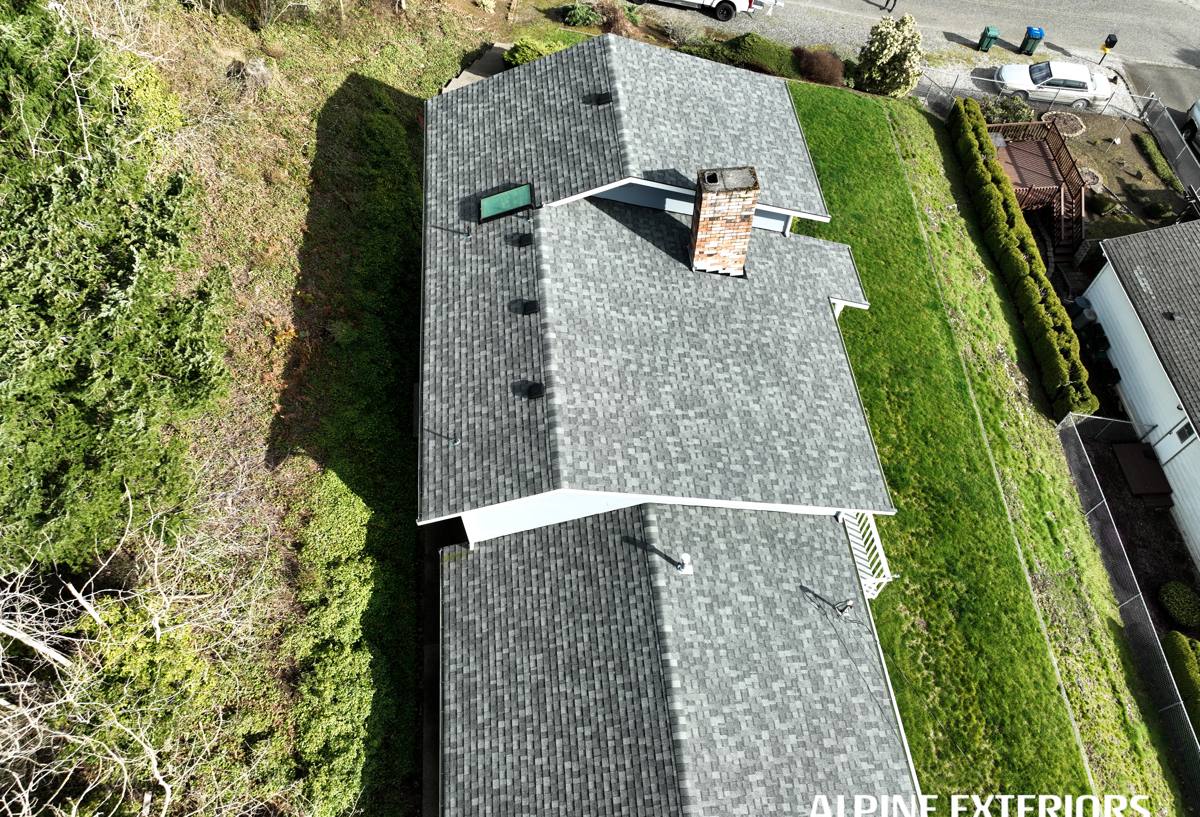
What Skagit County's Coastal Climate Does to a Roof
Every roofing material has a lifespan on paper. What actually determines how long a roof performs in Edison is how well it resists three things happening at once, continuously, for most of the year.
Salt Air and Corrosion
Fasteners, flashing, and any exposed metal on a roof are under constant low-level attack from salt-tinged marine air near the bay. Standard galvanized nails and thin flashing stock corrode faster here than they would inland, and a corroded fastener or flashing seam is exactly where a leak starts. Repairs that reuse degraded fasteners or match new flashing to old, already-compromised metal tend to fail again quickly.
Wind-Driven Rain
Rain that comes in at an angle, driven by wind off open water, doesn't behave like rain falling straight down. It gets pushed under shingle tabs, up valleys, and into laps that would shed water fine in calmer weather. Roofs here need underlayment, shingle overlap, and flashing details that account for water moving sideways and upward, not just downhill.
A Long Moss and Moisture Season
Shaded, north-facing roof slopes in this part of Skagit County can stay damp for weeks at a stretch. That moisture supports moss, lichen, and algae growth that holds water against the roof surface, works into shingle laps, and — left unaddressed — lifts shingle edges and accelerates granule loss. A lot of the repair calls we see in this area trace back to moss that was never dealt with rather than a single storm event.
What Usually Brings Us Out to an Edison Roof
Most repair calls fall into a handful of categories, and the right fix depends on catching the actual cause rather than just patching the visible symptom.
- Flashing failures at chimneys, skylights, roof-to-wall intersections, and valleys — the single most common source of active leaks in this climate
- Wind and storm damage — lifted, cracked, or missing shingles after a windstorm off the bay
- Moss and organic growth damage — lifted shingle edges, granule loss, and trapped moisture on shaded slopes
- Nail pops and fastener corrosion that create small gaps water works into over time
- Deteriorated underlayment or decking discovered once shingles are pulled back for a repair
- Gutter and edge issues that back water up under the roof edge rather than letting it drain
A leak inside a home doesn't always show up directly below the actual roof failure — water can travel along a rafter or underlayment before it drips through drywall. That's part of why an on-roof inspection matters more than a guess from the ground.
What a Correct Repair Actually Involves
A quality roof repair isn't just sealing the spot where water is currently showing up inside the house. It's finding where water is actually getting in, understanding why, and fixing that in a way that holds up under this area's specific conditions.
Diagnosis Before Anything Gets Touched
We start by physically inspecting the roof, not just the interior stain or ceiling spot the homeowner noticed. That means checking flashing, valleys, penetrations, shingle condition, and the underlayment where it's exposed, since the entry point for water is often several feet from where it eventually shows up indoors.
Matching the Repair to the Cause
A failed flashing seal needs new flashing and correct re-lapping, not just a bead of sealant over the old metal. A moss-damaged section needs the moss removed, the affected shingles assessed for actual damage rather than just discoloration, and often a look at what's keeping that slope wet longer than it should be — tree cover, ventilation, or slope orientation. Patching over the wrong cause is why some repairs don't hold.
Using Materials That Handle This Climate
Corrosion-resistant fasteners and flashing stock, underlayment rated for wind-driven rain exposure, and shingle products with algae resistance where moss and growth are a recurring issue — these aren't upgrades for their own sake, they're what a repair actually needs to last near the water in Skagit County.
Checking the Surrounding Area, Not Just the Failure Point
If one flashing seam failed from corrosion or age, nearby flashing installed at the same time, with the same materials, is worth checking too. Fixing one leak while leaving an adjacent, similarly-aged failure point untouched just means a return trip.
Repair or Replace? How We Help You Decide
Not every roof problem calls for a full replacement, and not every roof is a good candidate for another round of patching. The honest answer depends on the roof's age, how much of it is affected, and what shape the decking underneath is in once we can actually see it.
| Factor | Leans Toward Repair | Leans Toward Replacement |
|---|---|---|
| Roof age | Well within expected material lifespan | At or past the end of its expected service life |
| Extent of damage | Isolated to one section or a specific failure point | Widespread across multiple slopes or the whole roof |
| Decking condition | Solid, dry decking under the affected area | Soft, rotted, or water-stained decking found during inspection |
| Moss and growth history | First occurrence, addressed early | Long-term, recurring moss damage across large areas |
| Flashing and underlayment | Sound, just needs local repair | Aging or already failing in multiple spots |
We'll tell you plainly which side of that line your roof is on. If a repair genuinely solves the problem, that's what we recommend — there's no benefit to either of us in replacing a roof that didn't need it.
Our Repair Process
- On-roof inspection. We physically walk the roof, not just look from the ground, checking flashing, valleys, penetrations, and shingle condition around the reported problem area.
- Clear explanation of what we find. Before any work starts, we walk you through what's actually causing the issue and what fixing it correctly involves — including if we think replacement makes more sense than repair.
- Written estimate. A specific scope of work, not a vague number, so you know exactly what's being done and why.
- The repair itself. Proper removal of damaged material, correct flashing and underlayment work where needed, and matching materials as closely as possible to the existing roof.
- Cleanup and a final check. Debris removed, the repair area reviewed, and a straightforward explanation of what was done.
A Homeowner's Checklist: Signs You Likely Need a Roof Repair Call
- Water stains on ceilings or upper walls, especially after a windy or heavy-rain stretch
- Visible moss buildup, particularly on shaded or north-facing slopes
- Shingle edges that look lifted, curled, or cracked
- Granules collecting in gutters or at downspout outlets
- Daylight visible through the roof deck from inside an attic
- Rusted or visibly corroded flashing around chimneys, vents, or skylights
- A musty smell or visible mold in an attic space
- Missing shingles after a windstorm
Any one of these on its own doesn't necessarily mean a major problem, but they're all worth a look before the next wet season, since roof problems here rarely get better on their own.
Maintenance That Extends the Life of a Repair
A well-done repair still benefits from basic upkeep in this climate, and skipping it is one of the more common reasons a repaired roof develops new problems sooner than it should.
Moss Control
Removing moss before it works into shingle laps, rather than after it's already lifted them, is the single most effective thing a homeowner near the water can do between professional inspections. Gentle removal methods that don't strip granules matter more here than they would in a drier climate, since granule loss speeds up shingle aging.
Gutter and Drainage Checks
Clogged gutters near the roof edge back water up under the shingle line, which is a common and preventable cause of edge rot and repeat leaks. Keeping gutters clear, especially heading into the wetter months, protects the repair work as much as it protects the gutters themselves.
Attic Ventilation
Poor attic ventilation traps moisture underneath the roof deck, which accelerates rot and gives moss an extra source of moisture from below. If a repair keeps recurring in the same general area, ventilation is worth checking alongside the roof surface itself.
Why Hiring a Crew That Already Works This Area Matters
A contractor who regularly works roofs near Samish Bay and the rest of Skagit County's coastal edge has already seen how salt air corrodes standard fasteners, how wind-driven rain finds gaps that wouldn't be a problem inland, and which roof slopes in this area hold moss longest through the wet months. That's the kind of knowledge that shows up in the details of a repair — which fasteners get used, how flashing gets lapped, which slopes get flagged for a closer look — not in a sales pitch.
It also matters for the warranty behind the work. A repair is only as good as the company standing behind it a year or two later, and that's easier to count on from a crew with a real, ongoing presence in this part of Skagit County than from an outside crew that showed up once after a storm.
Get a Straightforward Look at Your Roof
If you're dealing with a leak, storm damage, moss buildup, or you just want an honest opinion on the condition of your roof before it becomes a bigger problem, we're glad to come take a look. There's no pressure and no cost to get an estimate — just a clear explanation of what we find and what it would take to fix it right.