 Anacortes
 Storm Damage Roofing Built Around How Flounder Bay Actually Weathers
Flounder Bay sits close enough to the water that every winter storm arrives with a little extra edge — wind-driven rain that finds its way sideways under shingles, salt spray that settles on metal and fastens, and long stretches of gray weather that never quite let a roof dry out between fronts. A roof here doesn't fail the way a roof does in a drier inland town. It fails at the edges first: at flashing, at fasteners, at the transitions where two roof planes meet. Storm damage repair in this neighborhood has to account for that pattern, not just patch whatever's leaking today.
We work on roofs across Anacortes and the rest of Skagit County, and Flounder Bay's exposure is a recurring theme in the repair calls we get from this stretch of Fidalgo Island. This page walks through what storm damage actually looks like here, what a correct repair covers, and how we handle the job from first call to final walk-through.
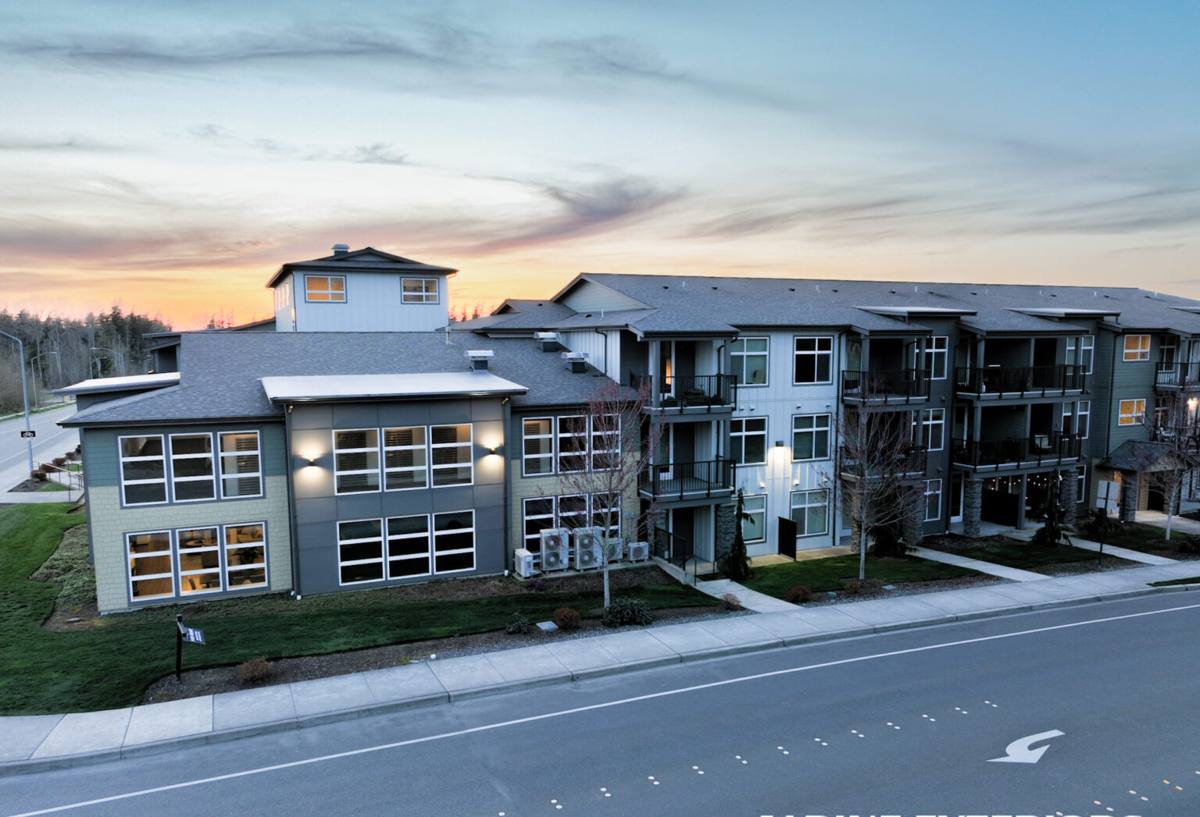
What Wind, Rain, and Salt Air Do to a Roof Near the Water
Wind-driven rain and uplift
Storms coming off the water don't just drop rain straight down — they push it sideways and up under the edges of shingles, shakes, and metal panels. A roof that would shed a normal downpour without issue can leak in a storm simply because the wind is forcing water uphill, against the direction the roofing was designed to shed. Repeated wind events also work at fastener lines and ridge caps, loosening them a little at a time until a bigger gust finally lifts something loose.
Salt air and corrosion
Anacortes' proximity to Puget Sound means airborne salt settles on everything, including roofs. On metal flashing, exposed fasteners, and gutter systems, that salt accelerates corrosion well beyond what you'd see a few miles inland. A fastener or flashing piece that would last decades in a dry inland climate can start showing rust and pinholing much sooner here if it wasn't rated for coastal exposure in the first place.
Moss and prolonged moisture
Skagit County's moss season runs long — mild, damp winters are exactly the conditions moss needs to establish itself on north-facing slopes and shaded valleys. Moss holds moisture against the roofing material, which speeds up granule loss on asphalt shingles and rot at the deck underneath. It also works its way under shingle tabs and lifts them, which is often how a small moss problem turns into an active leak after the next storm.
Signs of Storm Damage Worth Getting Checked
Not every sign of storm damage is obvious from the ground. Some of the most serious issues only show up once someone gets on the roof or into the attic. Here's what we tell Flounder Bay homeowners to watch for after a significant wind or rain event:
- Shingles or shake pieces that look lifted, curled, or missing at ridges and edges
- Granules collecting in gutters or at downspout outlets after a storm
- New or worsening moss growth on shaded or north-facing slopes
- Water stains on ceilings or ceiling paint that bubbles after rain
- Daylight visible through the roof deck when viewed from the attic
- Flashing around chimneys, vents, or skylights that looks bent, separated, or rusted
- Gutters pulling away from the fascia or sagging under debris weight
- A musty smell in upper rooms or attic spaces after wet weather
Any one of these on its own might be minor. Several together, especially after a storm with strong winds off the Sound, usually means it's worth a proper inspection before the next front comes through.
What a Correct Storm Damage Repair Actually Involves
A patch job and a correct repair often look similar from the ground but behave very differently over the next few winters. A repair done right addresses the cause of the leak, not just the spot where water is currently showing up inside the house.
Assessment before any work starts
We start on the roof itself, not just the visible leak point. Wind and rain damage frequently travels — water entering at a lifted ridge cap can track along the deck and show up as a stain several feet away, inside the house. We check the full slope, the flashing details, the fastener lines, and the underlayment condition wherever it's exposed, so the repair plan matches what's actually wrong.
Matching materials and fastening for coastal exposure
Repairs need fasteners, flashing, and sealants rated for the moisture and salt exposure this area sees, not whatever happens to be the cheapest option. Using standard-grade materials on a storm-exposed roof here is a common reason the same repair has to be redone within a year or two.
Deck and structural check
If water has been getting in for any length of time, the roof deck underneath needs to be checked for soft spots or rot before new roofing goes back down. Covering over a compromised deck is one of the most common shortcuts that leads to a repair failing early.
Full flashing and transition detailing
Most storm leaks trace back to a transition — where a roof meets a wall, chimney, skylight, or valley. A correct repair rebuilds these details properly rather than just resealing the surface, which tends to fail again after the caulk or sealant weathers.
Our Process for Flounder Bay Storm Repairs
Because we already work this part of Anacortes regularly, we're familiar with the roof types and exposure patterns common to homes near the water here. Our process is straightforward:
- Initial contact and scheduling — we get basic details about the damage and timeline, especially if there's an active leak that needs a temporary tarp or cover before the next storm.
- On-site inspection — we walk the roof, check the attic where accessible, and photograph anything relevant for your records or an insurance claim.
- Written scope and estimate — you get a clear explanation of what's damaged, what caused it, and what the repair involves, in plain language, with a straightforward cost range.
- Repair work — scheduled around weather windows, since storm repair work depends on a reasonably dry stretch to do it properly rather than rushing it between fronts.
- Final walk-through — we review the completed repair with you before considering the job done.
Repair vs. Replacement: What Actually Drives the Decision
Storm damage doesn't automatically mean a full roof replacement, but it's a fair question every homeowner asks. The honest answer depends on a handful of factors more than any single rule of thumb.
| Factor | Favors Repair | Favors Replacement |
|---|---|---|
| Age of existing roof | Roof is under roughly half its expected service life | Roof is already near or past its typical lifespan |
| Extent of damage | Isolated to one slope, flashing point, or section | Damage is spread across multiple slopes or recurring in several spots |
| Deck condition | Deck is sound where exposed | Widespread soft spots or rot found at the deck |
| Moss and granule loss | Minimal, surface-level moss with granules intact | Heavy moss coverage with visible granule loss and mat exposure |
| Prior repair history | First significant repair on this roof | Multiple past repairs in the same areas |
We'll give you a straight answer on which side of that table your roof falls on — we don't have any incentive to push a full replacement when a proper repair will genuinely hold up.
Material Choices for a Roof That Has to Handle Salt Air and Storms
When storm damage repair involves replacing sections of roofing rather than just resealing flashing, the material choice matters more here than in a drier, more sheltered area.
Fasteners and flashing
Our standard for coastal-exposed roofs is corrosion-resistant fastener and flashing hardware rated for marine or coastal environments. Standard-grade galvanized hardware tends to show rust and early failure faster in salt-air conditions, which is why we don't spec it for repair work in this area even though it costs less upfront.
Underlayment
Given the long wet season and moss risk, we favor synthetic or high-quality underlayment products with strong moisture resistance over minimum-grade felt, particularly on north-facing slopes where sun exposure won't help things dry out between storms.
Shingle and shake selection
Whatever roofing material a home already has, matching repairs need to account for how that material specifically handles moisture and wind uplift — algae-resistant shingle lines hold up better against moss in shaded areas, and proper starter strip and ridge cap installation matters more for wind resistance than the shingle brand itself.
Insurance and Storm Damage Claims
Many storm damage repairs in this area involve a homeowner's insurance claim, particularly after a named wind event. A few things help that process go smoother:
- Documenting damage with dated photos as soon as it's safe to do so
- Getting a written, itemized estimate rather than a verbal quote
- Distinguishing storm-caused damage from pre-existing wear, since insurers look closely at this distinction
- Keeping a copy of any temporary repair work (tarping, board-up) done to prevent further damage
We provide the documentation and detailed scope homeowners typically need to support a claim, though the claim itself is always between you and your insurer.
Why Local Familiarity With Flounder Bay Matters
A crew that only occasionally works this side of Anacortes doesn't always know how differently a waterfront-adjacent roof ages compared to one further inland in Skagit County. We see the same exposure patterns repeatedly in this area — the moss on shaded slopes, the corrosion on hardware that wasn't rated for salt air, the flashing failures that follow the same wind patterns off the water. That familiarity means less time spent diagnosing the obvious and more time spent getting the repair detail right the first time.
If you've got storm damage, a suspicious leak, or just want a roof checked after a rough winter, we're happy to take a look. Reach out for a free, no-pressure estimate using the form below.