 Anacortes
 Building New in Burlington? The Windows Are Not a Detail to Rush
Burlington sits in the Skagit Valley, a few miles inland from Anacortes but under the same weather systems — long stretches of driving rain off the Sound, damp shaded lots that hold moisture well into the afternoon, and an air that carries just enough salt and humidity to accelerate wear on anything installed carelessly. When a home is going up from the ground, the windows go in at a moment when a lot of other trades are moving fast around them — framers, siding crews, roofers, sometimes a stucco or masonry sub. It's an easy stage for shortcuts to happen without anyone noticing until the first hard winter rain finds its way in behind the trim.
New-construction windows aren't just "windows installed in a new house." The term describes a specific product and a specific installation method, and getting both right the first time matters more in Skagit County than it does in drier parts of the state, because a bad seal here gets tested constantly instead of occasionally.
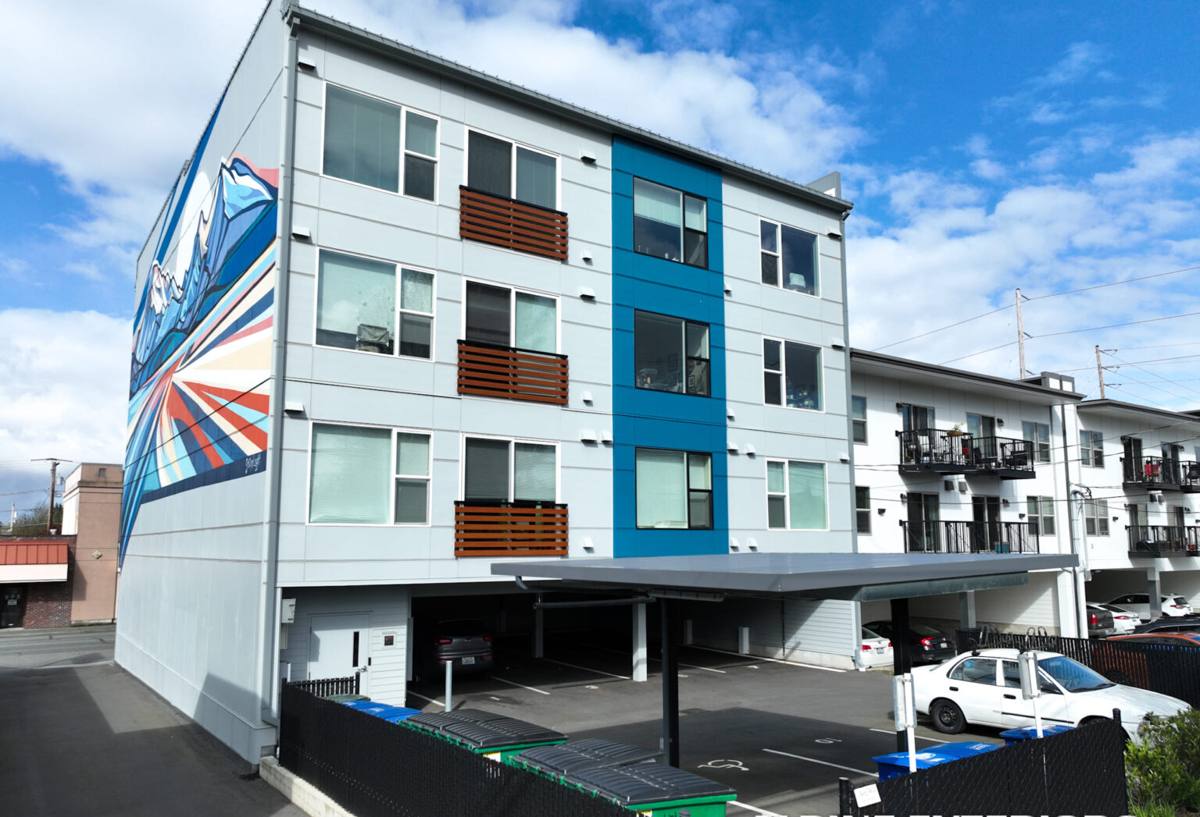
New-Construction vs. Replacement Windows — Why the Distinction Matters
A true new-construction window has a nailing flange (also called a nail fin) built around its frame. That flange gets fastened directly to the wall sheathing and integrated into the weather-resistive barrier before siding goes on. A replacement window, by contrast, is built without a flange so it can slide into an existing frame during a remodel. Using the wrong type — or installing the right type the wrong way — is one of the most common sources of window leaks in new builds we get called to fix years later.
| Feature | New-Construction Window | Replacement/Insert Window |
|---|---|---|
| Installed during | Framing stage, before siding | Existing finished wall, no siding removal |
| Flashing integration | Ties into house wrap/WRB directly | Relies on existing frame's flashing |
| Nailing flange | Yes — fastens to sheathing | No — frame fits inside old frame |
| Best fit for Burlington builds | New homes, additions, full teardown-rebuilds | Remodels where the original frame is sound |
If a builder or homeowner tries to save money by using replacement-style windows in new framing, or vice versa, the flashing sequence doesn't line up correctly with the rest of the building envelope. That's a problem anywhere, but it's a bigger one in a valley that sees the rainfall Skagit County does.
What the Local Climate Actually Demands From the Install
Driving rain, not just rainfall totals
It isn't the total inches of rain that stresses a window opening — it's wind-driven rain hitting a wall at an angle and working its way sideways and upward under trim and flashing. Burlington's open valley exposure means wind-driven rain is a real factor, not a theoretical one, and the flashing details at the sill and head of every opening need to account for it.
Salt-tinged, humid air
Being this close to the Sound and the San Juan waterways means the air carries more moisture and mineral content than an inland climate would. That accelerates corrosion on cheap hardware and speeds up the breakdown of low-grade sealants, which is part of why we're particular about the fasteners and flashing tapes we use around every rough opening.
Moss and algae season
Shaded new-build lots — common in and around Burlington — stay damp for months at a time, and that's exactly the environment moss and algae thrive in. On window sills, trim boards, and anywhere water can pool instead of shed, that dampness turns into organic growth and, eventually, rot if the drainage details weren't built in from day one.
The Anatomy of a Correct New-Construction Window Install
Sill pan flashing first
Before a window ever sits in its opening, the rough sill should have a sloped, sealed pan flashing installed — essentially a small waterproof tray with a back dam — so that any water that does get past the window has somewhere to go besides the framing lumber. This single detail is the one most often skipped on production builds, and it's the one that causes the most expensive repairs later.
Head flashing and WRB integration
Above the window, flashing needs to shed water out and away from the opening, lapped correctly over the weather-resistive barrier below it — never the other way around. Sequencing matters: house wrap, then window, then flashing tape, then head flashing, each layer lapping over the one beneath it so gravity always has a downhill path.
Sequencing with the siding crew
New-construction windows go in before siding, which means timing with the framing and siding schedule matters. When we're brought in during a build, we coordinate with the general contractor so the window install happens at the right point in the sequence — not so early that the opening sits exposed too long, not so late that it holds up the siding crew.
Choosing the Right Window for a Burlington Build
Material choice affects both up-front cost and how much attention the windows will need over the decades ahead. There's no single "best" answer — it depends on budget, the home's design, and how much upkeep the owner wants to take on.
| Material | Upfront Cost | Maintenance | Notes for This Climate |
|---|---|---|---|
| Vinyl | Lowest | Low — no painting | Good moisture resistance; frame color options are more limited |
| Fiberglass | Mid to higher | Low | Handles temperature swings well; strong dimensional stability in wet climates |
| Wood-clad | Highest | Higher — exterior cladding needs periodic inspection | Best interior look; the exterior clad surface has to be detailed carefully against driving rain |
Whatever material is chosen, we pay close attention to the energy performance ratings — the U-factor (how well the window resists heat loss) and the solar heat gain coefficient — since Washington's energy code sets minimums that a new build has to meet, and our marine climate rewards windows that manage both heat loss and condensation well rather than just one or the other.
Our Process When We're Brought in During a Build
- Review the plans and rough opening schedule with the builder or homeowner before framing is finalized, so window sizes and swing directions are confirmed early.
- Verify rough openings are square, plumb, and sized to the manufacturer's tolerances once framing is up.
- Install sill pan flashing and back dams at every opening.
- Set and shim each window level and plumb, fasten through the nailing flange per the manufacturer's schedule.
- Integrate flashing tape and head flashing with the weather-resistive barrier in the correct shingle-lap order.
- Seal and insulate the interior gap between frame and rough opening without over-compressing the window frame.
- Walk the openings with the builder before siding starts, so anything that needs adjustment is caught before it's covered up.
Cost Factors for a New-Construction Window Package
Every build is different, but the line items that actually move the price are consistent. We'd rather walk through these honestly up front than have a number surprise anyone at the end.
| Factor | Why It Affects Cost |
|---|---|
| Number and size of openings | More glass and larger units mean more material and labor per opening |
| Window material | Vinyl, fiberglass, and wood-clad carry different unit prices |
| Energy performance package | Upgraded glass packages (lower U-factor, triple pane) cost more but reduce long-term heating costs |
| Special shapes or operable styles | Casement, awning, and custom shapes cost more than standard slider or single-hung units |
| Site access and scheduling | Multi-story openings or tight coordination windows with other trades add labor time |
Why a Crew That Already Works Burlington Matters
Anyone can install a window on a calm, dry day. What separates a good new-construction install from a problem waiting to happen is experience with how this specific area behaves — which lots hold water and shade longer than others, how local builders sequence their framing and siding subs, and what the permitting and inspection process expects to see at a rough-in walk-through. We work in Burlington and the surrounding Skagit County communities regularly, which means we're not learning the local building department's expectations or a general contractor's schedule on your project — we already know them.
That familiarity also shows up in smaller ways: knowing which flashing tapes hold up over years in this humidity, which fastener types resist the salt-tinged air without corroding, and which detail at the sill actually needs the extra ten minutes versus which one is fine as a standard install. None of that comes from a manufacturer's install manual alone — it comes from having done it here, repeatedly, and having gone back to see how those choices held up.
A Homeowner's Checklist Before Windows Go In
- Confirm whether your windows are true new-construction (nail-fin) units, not replacement-style windows being used in new framing.
- Ask what sill pan flashing and back-dam detail will be used at every opening, not just the vulnerable ones.
- Get the U-factor and SHGC ratings for your chosen glass package in writing.
- Coordinate the install date with your framing and siding schedule — don't let openings sit exposed to weather any longer than necessary.
- Ask to walk the rough openings with your installer before siding covers the flashing work.
- Keep documentation of the flashing and installation method for your records and for any future warranty claims.
If you're building in Burlington and want windows installed the right way the first time — properly flashed, sequenced with your other trades, and matched to what this climate actually demands — we're glad to walk your plans with you and put together a free, no-pressure estimate. There's a form below to get started.