 Anacortes
 Why Board & Batten Fits So Many Sedro-Woolley Homes
Sedro-Woolley's mix of farmhouse-style homes, converted outbuildings, craftsman remodels, and newer construction on larger rural lots makes board and batten one of the most requested siding profiles we install in this part of Skagit County. The vertical lines read as clean and traditional on gables, porches, and accent walls, and they pair naturally with the barns, sheds, and agricultural-style architecture that's common once you get off the main corridor and into the surrounding valley. It's not just a look, either — done correctly, the profile sheds water differently than horizontal lap siding, which matters in a climate that stays wet for most of the year.
We get asked for board and batten on full house re-sides, on accent gables over a lap-sided main body, and on detached garages and shop buildings that are common on Sedro-Woolley's bigger parcels. Each of those has a slightly different set of requirements, but the underlying installation standards don't change.
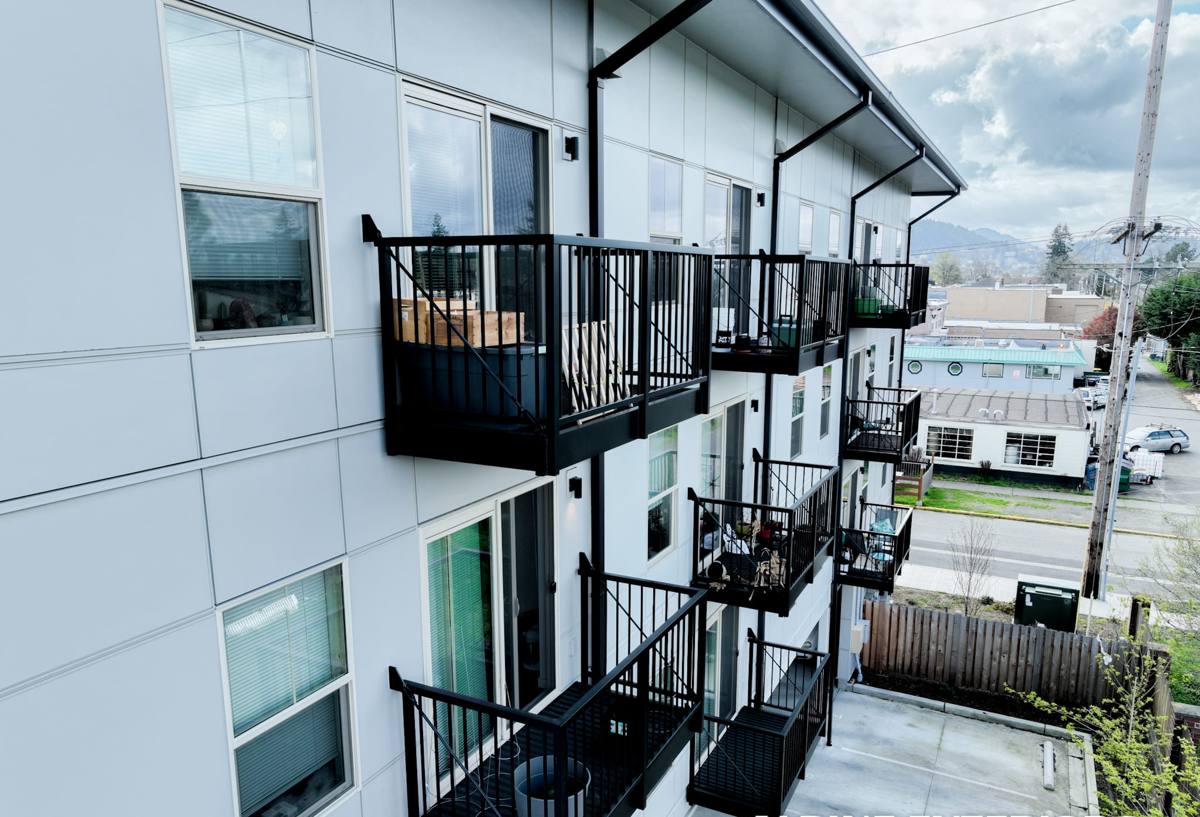
What the Skagit Valley Climate Does to Vertical Siding
Rain and Moisture Exposure
Sedro-Woolley sits up the Skagit River valley, away from the direct saltwater exposure that Anacortes and the islands deal with. That doesn't mean the siding has it easy — the valley gets long stretches of steady, driving rain, and the surrounding tree cover and hills tend to hold humidity close to the ground rather than let it clear out the way ocean wind does closer to the coast. Vertical siding has more seams and more places for water to find a path behind the cladding if the battens, flashing, and gaps aren't detailed correctly.
The Moss Season
Between the tree canopy, the north-facing walls that never see direct sun, and months of damp weather, moss and mildew growth on siding is a real maintenance issue here, not a hypothetical one. Board and batten's vertical grooves and shadow lines can actually collect and hold moisture and organic debris more than a smooth lap profile if the product and gap spacing aren't right, which is one of the reasons material choice and installation detail matter more on this profile than on a standard horizontal re-side.
Inland Cold and Freeze-Thaw
Being further from the moderating effect of saltwater, Sedro-Woolley also tends to see colder overnight temperatures and more frost than Anacortes proper. Siding that absorbs and holds moisture is more exposed to freeze-thaw cycling here, which over years can accelerate swelling, cracking, and paint or finish failure on products that aren't engineered for it.
Board & Batten vs. Other Siding Profiles in This Climate
| Profile | Water Shedding | Moss/Mildew Risk in Skagit Valley | Maintenance |
|---|---|---|---|
| Board & Batten (fiber cement) | Good when gapped and flashed correctly | Moderate — vertical grooves need a working rainscreen gap | Low with factory finish |
| Horizontal Lap | Very good — each course naturally overlaps | Lower — fewer horizontal ledges to trap debris | Low with factory finish |
| Shingle/Shake style | Good but more seams overall | Higher — more surface texture holds moisture | Higher, more surface area to maintain |
| Vinyl vertical panel | Fair — relies heavily on trim details, can trap moisture behind panels | Moderate, plus panels can warp near heat sources | Low, but limited repair/color options over time |
Board and batten isn't the "safest" profile in a wet climate, but it isn't a liability either — it's a profile that rewards correct installation and punishes shortcuts more than lap siding does. That's the piece homeowners often don't hear from whoever bids the job cheapest.
What a Correct Board & Batten Installation Actually Involves
Most of the problems we see on existing board and batten siding in this area trace back to installation shortcuts, not the material itself. A correct install includes:
- A functioning rainscreen gap behind the panels so water that gets past the battens can drain and the wall can dry, rather than sitting against the sheathing
- Batten and panel spacing set to the manufacturer's engineering — not tightened up for looks, which restricts drainage and airflow
- Corrosion-resistant fasteners suited to a wet climate, driven at the correct depth and pattern so panels aren't over- or under-fastened
- Proper flashing at every horizontal seam, window, door, and roofline transition, not just caulk covering a gap
- Ground clearance kept to code so the bottom of the siding isn't wicking moisture from soil, mulch, or splashback
- Factory-finished panels wherever possible, so the color coat isn't relying on field-applied paint to hold up through the wet season
Skip any one of these and the siding may look fine for a year or two before moisture starts showing up as staining, soft spots, or paint failure at the seams — usually starting on the north or west-facing walls that get the least sun and the most weather.
Why We Install Board & Batten in James Hardie Fiber Cement Only
We don't offer board and batten in vinyl, engineered wood, or other fiber cement brands, and that's a deliberate standard, not an oversight. James Hardie's board and batten system — HardiePanel vertical siding with Hardie battens, or Hardie's dedicated board and batten profile — is fiber cement, which means it doesn't swell, rot, or feed moisture into itself the way wood-based products can in a climate that stays damp for months at a time. It's also non-combustible, which matters more every year as wildfire smoke and drought seasons extend across Washington.
The other piece is the factory-applied ColorPlus finish. Instead of relying on field-applied paint or primer that has to cure correctly in unpredictable Skagit Valley weather, ColorPlus panels arrive with a baked-on finish engineered to resist fading, chipping, and moss-related staining, and it's backed by its own finish warranty separate from the substrate warranty. Hardie also builds its HZ5 product line specifically for colder, wetter climate zones like the Pacific Northwest — the engineering is matched to the conditions the siding will actually sit in, rather than being a general-purpose product used everywhere.
We're not going to pretend fiber cement is the cheapest option on the table, and it's heavier and less forgiving to install than vinyl or engineered wood panel — which is exactly why installation quality matters so much on this profile. But for a vertical siding job that has to hold up to real Skagit Valley weather for decades, it's the product we're willing to put our name behind.
Our Process for Sedro-Woolley Board & Batten Projects
- Assessment — we check existing sheathing and framing for moisture damage before quoting, since board and batten tear-offs on older Sedro-Woolley homes sometimes uncover water intrusion behind the current siding
- Tear-off vs. overlay decision — made based on what the substrate actually needs, not what's fastest to sell
- Weather barrier and rainscreen installation — house wrap and drainage gap installed to current best practice for this climate, not just to code minimums
- Batten and panel installation — spaced and fastened to Hardie's engineering specifications, with all flashing points detailed before panels go up
- Trim and finish work — corners, window and door surrounds, and caulking done with color-matched, manufacturer-approved materials
- Final walkthrough — we go over the finished job with the homeowner before calling it done
Cost Factors for Board & Batten Siding in This Area
| Factor | Why It Matters Here |
|---|---|
| Substrate condition | Older Sedro-Woolley homes with prior moisture intrusion may need sheathing repair before siding goes on |
| Trim and gable complexity | Farmhouse and craftsman details common in this area add labor beyond flat wall footage |
| Tear-off vs. overlay | Removing old siding costs more up front but is often the right call when moisture damage is present |
| Site access | Larger rural lots, detached garages, and outbuildings common around Sedro-Woolley can affect staging and access |
| Full re-side vs. accent use | Board and batten used only on gables or accent walls costs less than a full-home application |
Board and batten in fiber cement generally runs somewhat higher than a comparable vinyl vertical panel job, mostly due to material weight, trim labor, and the additional detailing correct installation requires — but it typically costs less over the life of the siding once you factor in repainting, panel replacement, and moisture-related repairs that show up on lower-cost products in this climate. We'll walk through the real cost drivers for your specific home rather than quoting a flat number that doesn't reflect your walls.
Why Hiring a Crew That Already Works Sedro-Woolley Matters
Board and batten installed by a crew that hasn't worked much in Skagit County tends to get the code minimums right and the climate-specific details wrong — because those details aren't universal, they're regional. We know which walls in this area tend to hold moisture longest because of tree cover and sun exposure, we know how Skagit County's permitting and inspection process works, and we've sourced enough Hardie ColorPlus product for this region to match existing trim and complete accent projects without a visible seam in finish. That local repetition is what keeps a board and batten job from becoming a maintenance headache five years in.
Caring for Board & Batten Siding Long-Term
- Rinse the siding down once or twice a year, focusing on north-facing and shaded walls where moss and mildew build up fastest
- Keep gutters clean and functioning so roof runoff isn't dumping directly onto the top courses
- Trim back vegetation and tree limbs that keep walls shaded and damp longer than they need to be
- Check caulking at trim and window transitions every couple of years and have any gaps resealed before winter
- Address any soft spots, staining, or paint failure promptly rather than waiting — early moisture issues are far cheaper to fix than what they turn into
If you're planning a board and batten project in Sedro-Woolley — whether it's a full re-side or an accent application on gables and outbuildings — we're happy to take a look at your home and put together a straightforward, no-pressure estimate. Use the form below to get started.