 Anacortes
 Ship Harbor Roofs Take a Different Kind of Beating
Ship Harbor sits close to the water on Anacortes' west side, which means the roofs there deal with a combination of stresses that inland Skagit County homes simply don't see as often. Wind comes off the water with more force and less to slow it down. Salt-laden air settles on every exposed surface, including the metal parts of your roof system. And the region's long wet season keeps moss and moisture in contact with roofing materials for months at a time. None of these factors are dramatic on their own, but together they shorten the useful life of a roof and make storm damage more likely to turn into a bigger problem if it isn't addressed correctly the first time.
When we get a call about storm damage in this neighborhood, we're not just looking at what a wind gust or heavy rain event knocked loose. We're looking at how the marine environment set that damage up in the first place, and what needs to happen so the repair doesn't fail again in the next storm.
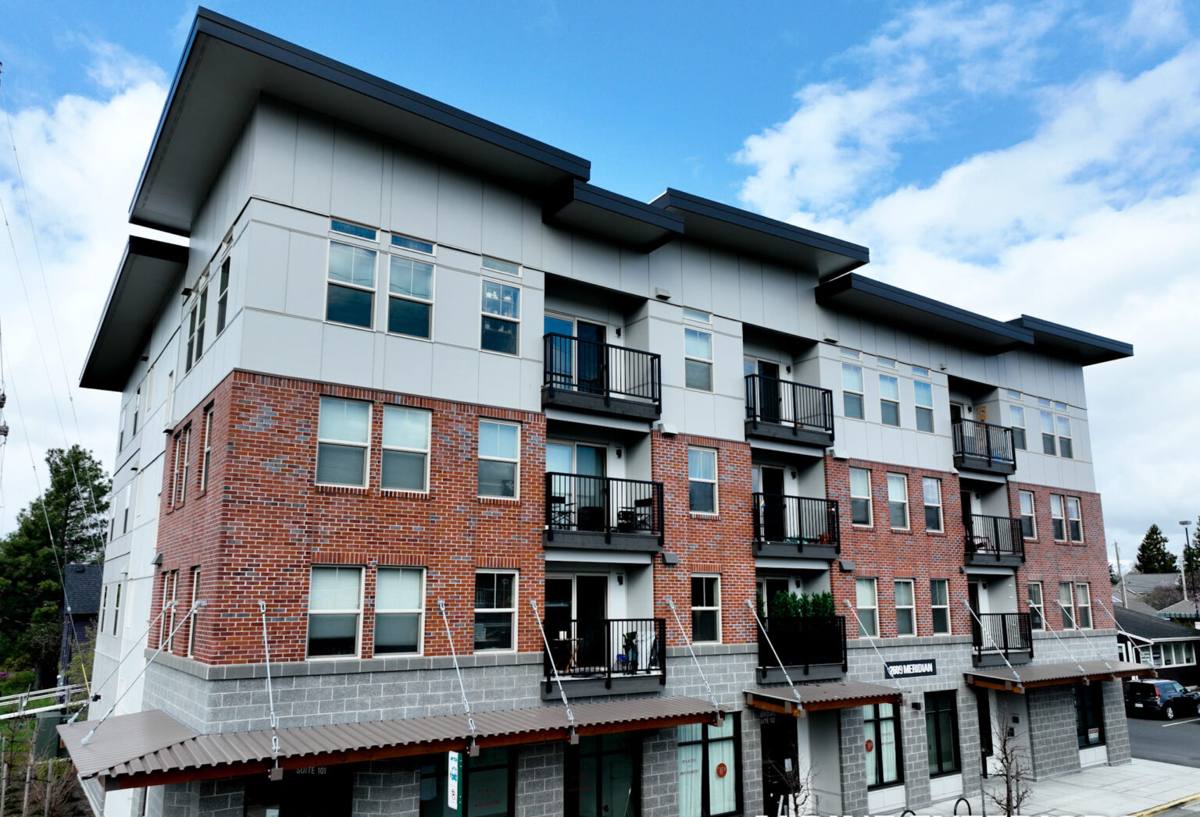
What Storm Damage Actually Looks Like on a Ship Harbor Home
Wind-Driven Rain and Lifted Shingles
Wind off the water rarely blows straight down — it comes in at an angle, which is exactly the condition that finds weak spots in a roof. Shingles that have lost their seal, whether from age or a prior storm, lift at the edges and let wind-driven rain work its way underneath. From the ground this can look like nothing more than a curled shingle corner. From the attic side, it can mean a slow leak that's been staining the decking for weeks before anyone notices a ceiling stain inside.
Moss, Organic Buildup, and Trapped Moisture
Anacortes' moss season is long, and Ship Harbor's tree cover and marine humidity make it worse than average. Moss doesn't just sit on top of shingles — it grows into the granule surface, holds water against the roof, and lifts shingle tabs as it spreads. A storm that would otherwise cause minor damage to a clean roof can do real harm to one that's already compromised by moss growth, because the shingles underneath have less grip and less waterproofing left to give.
Salt Air and Metal Fatigue
Flashing, fasteners, gutters, and vent caps are usually the first parts of a roof system to show wear near the water. Salt air accelerates corrosion on standard fasteners and lower-grade flashing metals, and once a fastener or flashing seam starts to fail, wind and rain find that opening fast. A lot of the "storm damage" we're called out for on shoreline-adjacent homes is really a metal component that was already weakened by salt exposure, finally pushed past its limit by wind.
What a Correct Storm Damage Repair Involves
A rushed repair after a storm — a few new shingles nailed over the damaged spot — is one of the most common reasons homeowners end up calling a contractor back a year later. Doing it right means checking the whole system, not just patching the visible damage.
- Full-slope inspection, not just the area that's visibly damaged — wind damage is often worse a few feet from where it's obvious
- Decking check for soft spots, staining, or delamination where water has already gotten underneath
- Flashing review at valleys, chimneys, vents, and wall intersections, since these are the most common failure points in wind events
- Underlayment condition in the repair area — old or brittle underlayment won't protect the decking even if new shingles go on top
- Material matching that accounts for sun-fading and granule wear so a patch doesn't stand out as a visibly different section for years
- Fastener and flashing choice suited to a marine environment, not just whatever is standard inland
Skipping any of these steps doesn't save much time, but it does mean the next storm has an easier time finding the same weak spot.
Our Process for Storm Damage Calls
- Initial assessment. We look at the roof from the ground and, when it's safe to do so, from the roof surface itself — wind and rain events aren't always safe to inspect immediately after, and we won't put anyone on a wet or unstable roof.
- Documentation. We photograph the damage and the surrounding roof condition, which is useful whether or not you end up filing an insurance claim.
- Scope of repair. We separate what needs immediate attention (active leaks, exposed decking) from what's worth addressing while we're already up there (aging flashing, moss buildup, marginal shingles nearby).
- Written estimate. You get a clear breakdown of what's being repaired and why, in plain language, before any work starts.
- Repair and cleanup. Work is done with materials suited to the exposure this home actually faces, and we clean up debris, old shingle material, and fasteners from the site.
- Follow-up. We'll tell you honestly if we think the repair bought you a few years or if the roof is approaching the point where repair stops being the economical choice.
Repair or Replace? What Actually Drives That Decision
Not every storm-damaged roof needs a full replacement, and not every roof that "just needs a patch" is actually a good candidate for one. The honest answer depends on a handful of factors more than on the storm itself.
| Factor | Favors Repair | Favors Replacement |
|---|---|---|
| Roof age | Under roughly 12-15 years | Approaching or past expected service life |
| Damage extent | Isolated to one section or slope | Spread across multiple slopes or widespread moss/wear |
| Decking condition | Solid, dry, no soft spots | Soft, stained, or delaminated in multiple areas |
| Shingle match availability | Same or close product still available | Discontinued product, visible mismatch likely |
| History of repeat repairs | First significant issue | This is the second or third storm-related call |
We'll walk you through where your roof actually falls on these points rather than defaulting to whichever option is easier for us to schedule.
Materials and Fasteners That Hold Up Near the Water
Standard roofing components are engineered for general conditions, and most of the time that's fine. But a shoreline-adjacent property like a Ship Harbor home benefits from a few upgrades that cost a little more up front and pay for themselves in fewer callbacks.
- Corrosion-resistant fasteners rather than standard-coated nails, especially at flashing and ridge lines
- Flashing metals chosen for salt-air durability rather than the cheapest option that meets code
- Sealants and adhesives rated for the temperature swings and persistent moisture of a marine climate
- Ventilation checks, since trapped attic moisture combined with salt air speeds up corrosion on the underside of metal components too
None of this is exotic material — it's a matter of choosing the right grade of ordinary components for the environment the roof actually sits in, instead of defaulting to whatever's cheapest to stock.
Insurance and Documentation
If a storm caused the damage, you may have a valid insurance claim, and how the damage is documented matters. We provide photos and a written scope of the damage we find, which your adjuster can use alongside their own inspection. We don't handle the claim for you, and we won't inflate a scope to chase a bigger payout — our job is to give you an honest, defensible account of what the storm actually did, so the claim reflects the real damage.
What to Do Right After a Storm
- Photograph any visible damage from the ground — don't get on the roof yourself
- Check the attic or top-floor ceilings for new staining or moisture
- Note the date and approximate time of the storm for your records
- Call for an inspection before the next rain event if you suspect any breach in the roof surface
Moss Season and Ongoing Maintenance
Because Skagit County's wet season runs long, moss isn't a one-time cleanup — it's an ongoing maintenance item for shaded or shoreline-adjacent roofs. A roof that gets moss removed and treated on a regular schedule holds up to storm events far better than one where moss has been left to spread for a few seasons. If we're already on your roof for a storm repair, we'll flag moss buildup or drainage issues that are worth addressing before they become the cause of the next call.
Why Local Experience in Ship Harbor Matters
A crew that mostly works inland roofs can do competent general repair work, but they may not automatically account for salt exposure, the wind patterns specific to this stretch of shoreline, or how aggressively moss grows here compared to a drier part of the county. We work in Anacortes and around Ship Harbor regularly enough to know which failure points show up again and again on homes in this exposure, and we build that knowledge into every repair — not just the patch that's visible from the driveway.
If you've got storm damage, a suspected leak, or just want an honest read on what your roof's condition actually is, we're happy to take a look. Fill out the form below for a free, no-pressure estimate.