 Anacortes
 Why Cap Sante Decks Take a Different Kind of Build
Cap Sante sits close enough to the water that every outdoor structure on it deals with a steady mix of salt-laden air, wind off the marina, and long stretches of wet weather. A deck built the same way you'd build one twenty miles inland in a drier part of Skagit County will show problems here years sooner than it should — corroded fasteners, soft spots at the ledger, and a surface that stays slick with moss well into spring. Building correctly for this specific location means treating the marine exposure as a design input from the first footing, not something to patch later.
We've built and repaired decks across Anacortes long enough to know which shortcuts fail first on a Cap Sante lot, and which details are worth the extra cost up front. This page walks through what actually matters for a custom deck in this neighborhood.
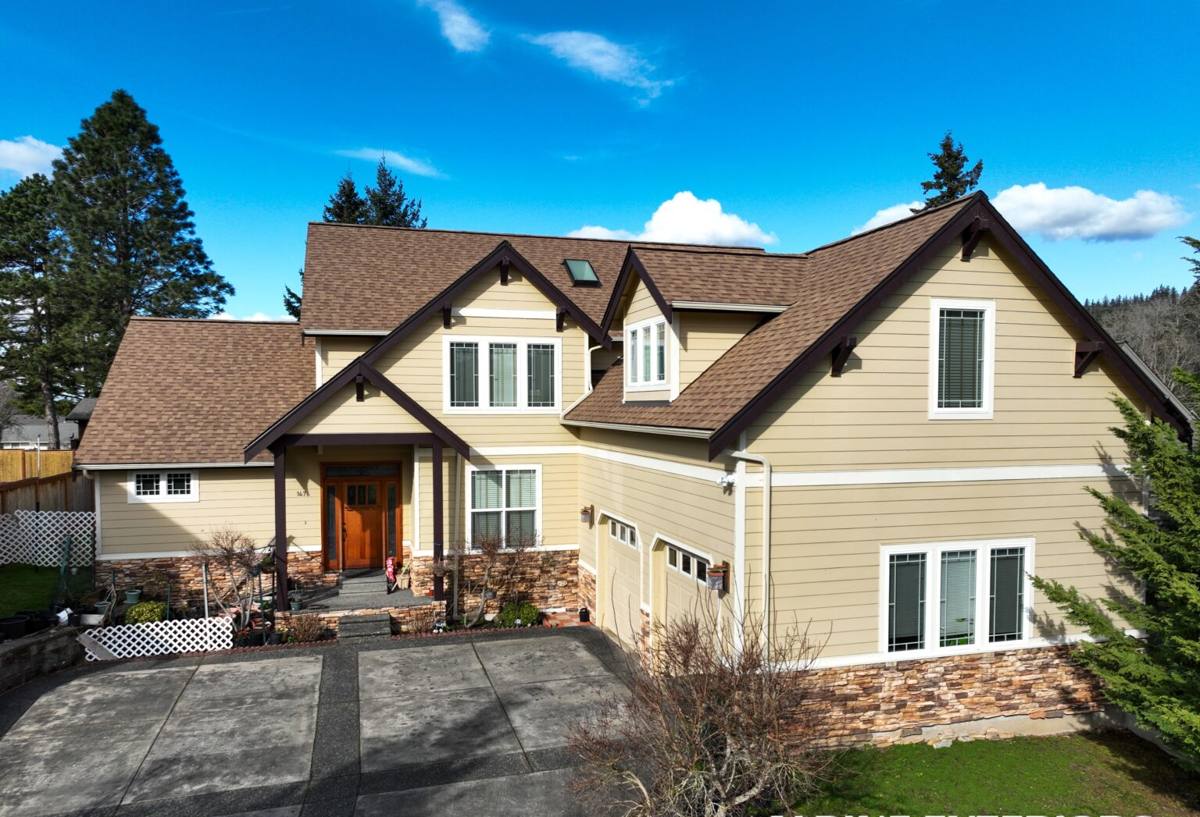
What Salt Air, Driving Rain, and Moss Season Do to a Deck Over Time
Three climate factors drive almost every deck failure we see near the water in Anacortes:
- Salt air corrosion — airborne salt accelerates rust on fasteners, brackets, and hidden hardware, especially anything not rated for coastal exposure.
- Driving, wind-blown rain — rain doesn't just fall straight down here; wind pushes it sideways into ledger connections, railing posts, and any gap where flashing was skipped.
- Extended moss and algae season — shaded or north-facing decks stay damp for months at a time, which feeds moss growth on decking surfaces and speeds up wood decay underneath it.
None of these are exotic problems, but they compound. A fastener that's slowly rusting under a board that's staying wet longer because of moss cover is a failure that shows up faster than the manufacturer's warranty numbers would suggest for a "typical" installation.
Choosing the Right Decking Material for a Cap Sante Site
There's no single correct decking material for every home here — it depends on sun exposure, how close the deck sits to the water, and how much upkeep the homeowner actually wants to do.
| Material | How it handles salt air & rain | Moss/algae behavior | Maintenance |
|---|---|---|---|
| Cedar | Naturally rot-resistant but still needs sealing near the water to slow graying and checking | Can develop surface moss in shaded, damp spots if not cleaned periodically | Annual cleaning and re-sealing recommended |
| Pressure-treated fir/pine | Good structural value; treatment protects against rot but hardware must still be corrosion-rated | Prone to moss buildup on north-facing or shaded sections | Regular cleaning, periodic sealing |
| Composite decking | Handles moisture well; doesn't absorb water like wood, which helps near salt spray | Still needs periodic washing — algae can grow on any damp surface, composite included | Low — occasional washing, no sealing |
| Tropical hardwoods (e.g., ipe-type species) | Very dense and durable, handles wet climates well | Low but not immune to surface algae in shade | Moderate — periodic oiling for color retention |
Composite has become the more common choice for shaded or heavily wind-exposed sections of a Cap Sante deck simply because it removes one variable — moisture absorption — from the maintenance equation. Wood species still make sense where a homeowner wants a natural look and is willing to keep up with cleaning and sealing on a schedule.
A note on framing lumber, regardless of decking choice
Whatever decking surface goes on top, the framing underneath should always be treated for ground contact or above-ground exposure as appropriate, and hardware should be rated for the moisture and salt exposure of the site — this matters more than the decking material choice for how long the structure itself lasts.
Framing, Fasteners, and Footings: The Part You Don't See
The visible decking gets the attention, but the framing, fasteners, and footings are what determine whether a Cap Sante deck is still solid in fifteen years. In a marine-influenced climate, this means:
- Corrosion-resistant structural screws and connectors rated for the exposure level of a coastal site, not generic interior-grade hardware.
- Properly flashed ledger board connections where the deck attaches to the house — this is the single most common point of hidden rot we find on older decks near the water.
- Footings sized and set to local frost depth and soil conditions, not just "deep enough" by eye.
- Joist tape or equivalent protection on top of framing members to keep standing water from sitting directly against the wood.
Skipping any of these to save on upfront cost tends to show up as a deck that looks fine on the surface while the structure underneath is already compromised.
Moss, Algae, and Drainage: Keeping the Deck Surface Usable and Safe
A deck's slope and drainage design matters as much as the material on top of it. Water needs somewhere to go — pooled water is what feeds moss and algae growth, and a slick, mossy deck surface is a real slip hazard, not just a cosmetic issue. A correctly built deck accounts for:
- A slight slope away from the house so water sheds instead of collecting.
- Gapping between boards sized to let water and debris pass through rather than trap it.
- Placement and orientation that accounts for shade patterns on the lot, since shaded areas stay damp longest and grow moss fastest.
Even a well-drained deck will need periodic cleaning during the wetter months — that's simply the reality of building outdoor structures in this part of Washington. Good design reduces how often and how aggressively that cleaning needs to happen; it doesn't eliminate the need for it.
Railings, Views, and Wind Exposure
Many Cap Sante decks are built to take advantage of water and marina views, which often means more open railing designs and less wind shelter than a deck tucked against a house on a more sheltered lot. That changes a few things worth planning for:
- Railing posts and connections need to be sized for wind load, not just code minimums for a sheltered site.
- Cable or glass railing systems that preserve the view require hardware specifically rated for coastal exposure — standard hardware corrodes faster in this setting.
- Furniture and fixture placement should account for consistent wind patterns off the water, which is more of a site-specific conversation than a general rule.
Permits and Local Code Considerations
Deck projects in Anacortes typically require a building permit, and requirements can vary based on deck height, attachment to the house, and proximity to property lines or critical areas — which is a real consideration for some Cap Sante lots given the terrain and shoreline-adjacent zoning that applies in parts of the area. We handle the permit process as part of the job rather than leaving homeowners to sort out city and Skagit County requirements on their own.
Our Process for a Cap Sante Deck Build
- On-site assessment — we look at sun/shade exposure, wind direction, drainage, and how close the site is to salt water influence.
- Material and design conversation — we walk through the honest trade-offs between wood and composite options for that specific spot, not a one-size answer.
- Permit handling — we manage the paperwork with the city and county so the project is built to code from the start.
- Framing and footings — built with corrosion-rated hardware and flashing details suited to marine exposure.
- Decking, railing, and finish work — installed to shed water correctly and hold up to wind exposure.
- Walkthrough and maintenance guidance — we tell homeowners plainly what upkeep their specific material and site will actually need.
Checklist: What to Ask Before Hiring a Deck Crew for a Cap Sante Home
- Do they use corrosion-rated fasteners and hardware, specifically called out (not just "standard exterior-grade")?
- Do they flash the ledger connection where the deck meets the house?
- Can they explain how the deck will drain, and how that affects moss and algae buildup?
- Have they built decks in this specific area before, or only inland where salt exposure isn't a factor?
- Do they pull permits themselves, or leave that step to the homeowner?
Why a Crew That Already Works Cap Sante Matters
A deck built without accounting for salt air, driving rain, and a long moss season doesn't fail because the crew was careless — it fails because those factors weren't part of the plan. A crew that already works this specific area knows which fastener grade actually holds up here, which corners of a lot stay damp longest, and which details on a ledger connection are worth the extra time. That local, site-specific knowledge is the difference between a deck that needs real repair work in five years and one that just needs routine cleaning and upkeep.
If you're planning a custom deck for a Cap Sante property, we're happy to take a look at the site and talk through what it actually needs — no pressure, no obligation. Use the form below to request a free estimate.