 Anacortes
 Why Conway Homes Need a Different Approach to Windows
Conway sits low in the Skagit Valley, close enough to the water and the river delta that homes here take on a steady diet of moisture year-round. Driving rain off the water, salt-tinged air, and the long, gray moss season that runs from fall through spring all put extra stress on the parts of a house that are supposed to keep weather out. Windows are one of the first places that stress shows up — as fogged glass, drafts, soft trim, or a heating bill that never seems to settle down in the winter months.
An energy-efficient window replacement in Conway isn't just about comfort or a lower utility bill, though both matter. It's about choosing a window and an installation method that can actually stand up to the specific way this part of Skagit County gets wet, windy, and shaded for months at a time. A window that performs fine in a drier climate can still fail here if it's not installed with that reality in mind.
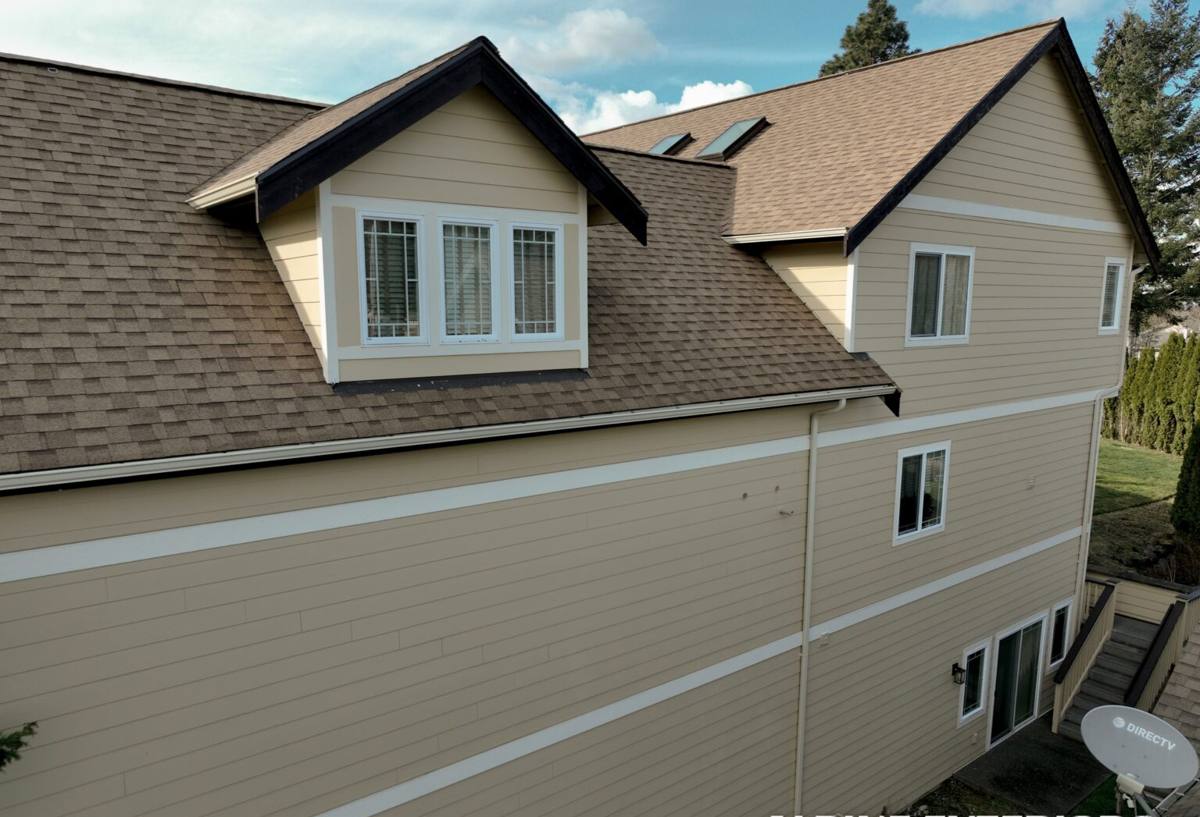
What "Energy-Efficient" Actually Means in This Climate
Energy efficiency in a window comes down to a handful of measurable properties, not marketing language. In western Washington, two ratings matter most: U-factor (how much heat escapes through the window) and air leakage (how much outside air sneaks in around the sash and frame). Because Conway doesn't deal with intense summer sun the way inland areas do, solar heat gain coefficient (SHGC) is a secondary concern here compared to keeping heat in during our long wet season and keeping wind-driven moisture out.
The Ratings Worth Checking
| Rating | What It Measures | Why It Matters in Conway |
|---|---|---|
| U-Factor | Heat loss through the window | Lower numbers mean less heat escaping during our long heating season |
| Air Leakage (AL) | Air movement around the sash/frame | Driving rain often rides in on wind — a tight seal keeps both air and water out |
| Condensation Resistance | How well the window resists interior fogging | High humidity and cool interior surfaces make condensation common in damp climates |
| SHGC | Solar heat gain | Less critical here than in sunnier regions, but still worth a moderate rating |
Any window we recommend should carry an NFRC (National Fenestration Rating Council) label so those numbers are independently verified, not just claimed by the manufacturer.
Frame Material: What Holds Up to Salt Air and Constant Damp
The frame material matters as much as the glass package. In a climate with salt air and near-constant moisture exposure, some materials simply age better than others.
| Frame Material | Strengths | Trade-offs in This Climate |
|---|---|---|
| Vinyl | Low maintenance, good insulator, budget-friendly | Can expand/contract with temperature swings; quality varies widely by manufacturer |
| Fiberglass | Very stable, resists warping and corrosion, long lifespan | Higher upfront cost |
| Wood-Clad | Classic appearance, good insulation | Exposed wood or failed cladding seams invite rot in a wet climate — needs vigilant maintenance |
| Aluminum | Strong, slim sightlines | Poor insulator and prone to condensation unless thermally broken; we don't recommend it for most Conway homes |
We generally steer Conway homeowners toward vinyl or fiberglass for most applications, not because other materials can't work, but because they hold up with the least maintenance burden in a climate that punishes anything with exposed seams or unprotected wood. Where wood-clad windows are wanted for a specific architectural look, we're upfront about the extra inspection and upkeep that comes with them here.
Signs Your Current Windows Are Costing You Money
Most homeowners don't replace windows on a schedule — they replace them when something starts to bother them. Here's what to watch for, especially in older Conway homes that have weathered a lot of wet seasons:
- Condensation or fogging between the panes of a double-pane window (a sign the seal has failed)
- Visible daylight or a draft you can feel around the frame on a windy day
- Soft, discolored, or moss-covered trim and sills
- Difficulty opening, closing, or locking the sash
- Noticeably cold rooms near windows even with the heat running
- Rising heating bills without a clear explanation
- Visible gaps in caulking or weatherstripping that's cracked or missing
Any one of these on its own might just need a repair. Several at once, especially on an older single-pane or early double-pane window, usually means the window has reached the end of its useful life.
What a Correct Installation Actually Involves
The window itself only does half the job. In an area that gets sustained, wind-driven rain off the water, the installation detailing is what actually keeps a house dry. A high-performance window installed with shortcuts will leak long before a mid-range window installed correctly will.
Steps That Shouldn't Be Skipped
- Removing the old window and fully inspecting the rough opening for hidden rot or water damage before anything new goes in
- Repairing or replacing any compromised sheathing or framing found during that inspection
- Installing self-adhered flashing tape at the sill and jambs, layered correctly (sill first, then jambs, then head) so water sheds outward, not inward
- Setting the window level, plumb, and square, then securing it per the manufacturer's fastening schedule
- Sealing and insulating the gap between the window frame and rough opening without over-compressing low-expansion foam
- Finishing with correctly lapped house wrap or weather-resistive barrier integration, so the window is genuinely part of the wall's drainage plane
- Exterior caulking and trim work sized and placed to shed water, not trap it against the frame
That flashing sequence in step three is the part most likely to get rushed on a fast job, and it's the part most responsible for leaks showing up two or three rainy seasons later — often as damage inside the wall that isn't visible until it's expensive to fix.
Our Process for a Conway Window Project
We keep the process straightforward and give homeowners a clear picture of what's happening at each stage:
- On-site assessment: We look at your current windows, the condition of the surrounding trim and wall, and how your home is oriented to wind and weather.
- Product recommendation: Based on that assessment and your budget, we recommend frame material, glass package, and style — explaining the trade-offs plainly rather than upselling.
- Written estimate: A clear scope of work and price before anything is scheduled.
- Installation: Careful removal, opening inspection, correct flashing and sealing, and a finished exterior that matches the rest of your home's trim.
- Walkthrough and cleanup: We review the finished work with you and leave the site clean.
Moss, Mildew, and Long-Term Window Maintenance
Skagit County's long moss season affects more than roofs. Moss and algae can take hold on north-facing sills, in corner joints, and anywhere water sits instead of draining. Left alone, that constant dampness slowly breaks down caulking, promotes wood rot on unprotected trim, and can work its way into a window's weep holes, blocking the drainage path the window relies on to shed water that gets past the outer seal.
A well-installed, well-chosen window reduces this risk significantly — vinyl and fiberglass frames don't feed moss the way bare or failing wood does, and correctly placed weep holes and drip caps keep water moving instead of pooling. Even so, an occasional check and clean of sills and tracks goes a long way toward getting the full lifespan out of new windows in this climate.
Why Local Experience in Skagit County Matters
A window installer who mostly works drier inland climates isn't necessarily thinking about wind-driven rain, salt air, or moss the same way someone working the Skagit Valley every week is. Choosing flashing methods, sealants, and frame materials for Conway's specific conditions isn't guesswork — it's pattern recognition built from seeing how windows in this exact area age, and where they tend to fail when installed without those conditions in mind.
Working regularly around Anacortes and the surrounding Skagit County communities also means we're familiar with the permitting expectations and building conditions common to older homes in this area, which keeps projects moving without surprises.
What Windows Cost — and What Drives the Price
Exact pricing depends on your home, but the main cost drivers are consistent from project to project:
| Factor | How It Affects Cost |
|---|---|
| Frame material | Vinyl is typically the most affordable; fiberglass and wood-clad cost more upfront |
| Window size and style | Larger openings, custom shapes, and operable styles (casement, awning) cost more than standard double-hung |
| Number of windows | Full-home replacements typically have a lower per-window cost than one-off replacements |
| Condition of the opening | Hidden rot or framing repair adds labor and material cost |
| Glass package | Double-pane with low-E coating and argon fill costs more than basic double-pane, but pays back in comfort and efficiency |
We'd rather walk your home and give you real numbers than throw out a broad range that doesn't mean much for your specific project.
If your Conway home has windows that fog, draft, or just don't feel like they're doing their job anymore, we're happy to take a look and talk through honest options — no pressure, no obligation. Use the form below to request a free estimate.