 Anacortes
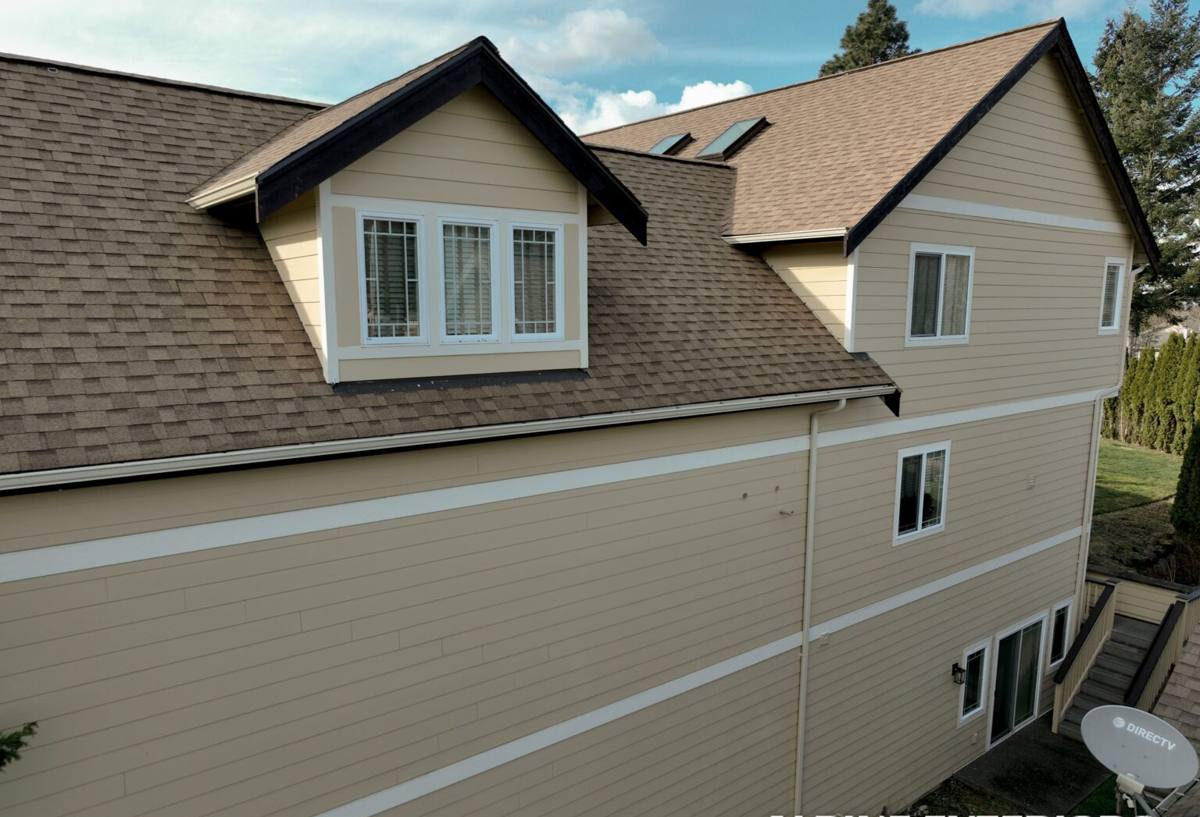
 Siding Replacement in Conway: What Local Homes Are Up Against
Conway sits in a stretch of Skagit County where the weather doesn't do things halfway. Homes here take on moisture from multiple directions at once — rain blowing in off Puget Sound, humidity rising off the Skagit River delta, and the kind of persistent damp that keeps moss and algae growing on north-facing walls nearly year-round. Siding that would hold up fine in a drier inland climate often starts failing early out here, and by the time it shows on the surface, the damage underneath is usually further along than it looks.
We work on homes throughout this part of Skagit County regularly, and Conway's siding problems tend to follow a pattern: moisture intrusion at poorly flashed openings, soft or delaminating panels on the shaded and wind-exposed sides of the house, and paint or finish failure years before it should happen. A siding replacement done right in this area isn't just a cosmetic swap — it's a chance to fix the water management details that likely caused the original failure in the first place.
Why Conway's Climate Is Hard on Siding
Salt Air
Conway's location near the Skagit River's outlet to Puget Sound means salt-laden air reaches homes here more than most people realize, even at a few miles' distance. Salt air accelerates corrosion on fasteners, flashing, and any metal trim, and it degrades certain paint and coating systems faster than a standard weathering timeline would predict. Siding materials and finishes that aren't formulated to resist this kind of exposure tend to chalk, fade, or corrode at their fastener points well ahead of schedule.
Driving Rain
Storms moving through this part of the Sound don't just drop rain — they drive it sideways into walls, seams, and trim. Wind-driven rain finds every gap in flashing, every under-caulked joint, and every place where siding wasn't lapped correctly. This is where most siding failures actually start: not from water sitting on the surface, but from water forced behind it during a hard blow.
A Long Moss Season
Shaded walls, mature tree cover, and the area's dampness add up to a moss and algae season that runs most of the year in Conway. Moss holds moisture against the siding surface long after the rain has stopped, which keeps wood-based products wet for extended stretches and accelerates rot in anything that isn't genuinely moisture-resistant. It also stains and degrades painted finishes that weren't built to shed biological growth.
Signs a Conway Home Needs Siding Replacement, Not Just Repair
Some siding problems can be patched. Others are a signal that the whole system — siding, underlying moisture barrier, and flashing — has reached the end of its useful life. Watch for:
- Soft, spongy, or crumbling spots when you press on the siding, especially near the bottom courses and around window and door trim
- Paint that's bubbling, peeling, or won't hold a new coat for more than a couple of years
- Visible warping, buckling, or gaps that have opened up between boards or panels
- Persistent moss or algae staining that comes back within months of cleaning
- Musty smells or soft drywall on interior walls that back up to exterior siding
- Visible fastener corrosion — rust streaks running down from nail or staple heads
- Siding that's original to a home more than 20-25 years old, particularly if it's a wood-based or older composite product
Any one of these on its own might be a repair. Several at once, especially combined with interior signs of moisture, usually means it's time to talk about full replacement.
What a Correct Siding Replacement Job Actually Involves
Tear-Off and Inspection
Replacement starts with full removal of the old siding, not siding over the top of it. That's the only way to actually see the sheathing underneath — and in a climate like Conway's, what's under the old siding matters as much as what goes back on. We check for soft or rotted sheathing, evidence of past water intrusion, and any framing damage that needs to be addressed before new siding goes up. Covering over a hidden problem just guarantees it resurfaces later, usually worse.
Water Management Comes First
Before a single piece of new siding goes on, the wall needs a correctly installed weather-resistive barrier and properly integrated flashing at every window, door, and penetration. This is the layer that actually keeps wind-driven rain out of the wall assembly — the siding itself is the second line of defense, not the first. Skipping or rushing this step is the single most common cause of early siding failure we see when we open up a wall.
Flashing and Trim Details
Every horizontal surface where water can collect — window heads, door heads, roof-to-wall transitions — needs metal flashing installed to shed water away from the wall, not into it. Getting these details right takes more time than most homeowners assume, but it's exactly the kind of work that determines whether a siding job lasts 10 years or 40.
Installation to Manufacturer Spec
Fastener spacing, panel gaps for expansion, correct lap and overlap dimensions, and proper caulking at joints all have to follow the manufacturer's installation instructions to keep the warranty valid and to actually perform as designed. This is also where salt air matters again — we use fasteners rated for coastal exposure so they don't become the weak point in an otherwise solid installation.
Finish and Final Detailing
The last step is making sure trim, caulking, and touch-up work is clean and consistent, with attention paid to any spots where two materials meet — those transitions are where future leaks most often start if they're rushed.
Why We Install Only James Hardie Fiber Cement
We standardized on James Hardie fiber cement siding for every job we do, including here in Conway, because it's engineered for exactly the conditions this area throws at a house. It's non-combustible, it doesn't rot or delaminate the way wood-based products can when they take on repeated moisture, and its factory-applied ColorPlus finish is baked on and warrantied against fading and flaking — which matters a lot in an area with this much salt air and rain exposure. Hardie also builds specific product lines engineered for different climate zones, so we can match the product to the moisture and weather demands of a coastal Skagit County property rather than using a one-size-fits-all approach.
That said, correct installation still does most of the work. Even the best siding material fails early if the water management behind it is wrong — which is why we treat the flashing and barrier work as just as important as the siding itself.
Comparing Siding Options for Conway's Climate
| Material | Moisture Resistance | Salt Air Durability | Maintenance | Typical Lifespan |
|---|---|---|---|---|
| James Hardie Fiber Cement | Excellent — won't rot, engineered moisture-resistant core | Strong; factory finish built for weathering | Low — occasional wash, repaint on your own schedule if desired | 30-50 years |
| Vinyl Siding | Fair — moisture can get trapped behind panels | Can become brittle and discolor faster near salt air and UV exposure | Low, but panels can warp, crack, or fade over time | 15-25 years |
| LP SmartSide (engineered wood) | Fair — treated but still wood-based; vulnerable at cut edges and seams | Moderate; finish and edge sealing are critical | Moderate — edge sealing and repainting needed over time | 20-30 years |
| Cedar / Primed Wood | Poor to fair without diligent upkeep — natural material, absorbs moisture | Weak without frequent refinishing | High — regular painting, sealing, and moss/algae treatment | 15-25 years with heavy maintenance |
Every product on this list has a place somewhere. In Conway's combination of salt air, driving rain, and heavy moss pressure, we've found fiber cement is the only one that consistently holds up without demanding constant homeowner upkeep — which is why it's the only siding we install.
Cost Factors for a Conway Siding Replacement
Every home is different, so we won't quote a number without seeing the property, but these are the factors that most often move the price up or down:
| Factor | Why It Matters |
|---|---|
| Sheathing condition | Rot or water damage found during tear-off adds repair work before new siding can go on |
| Home size and wall complexity | More corners, gables, and trim details mean more labor and material cuts |
| Siding profile chosen | Lap width, shingle-style panels, and trim board options carry different material costs |
| Story height and access | Multi-story walls and difficult access require more scaffolding and time |
| Existing siding removal | Layers of old siding, or siding installed over sheathing that also needs replacing, adds labor |
| Flashing and trim scope | Homes with many windows, doors, or roof-wall intersections need more flashing detail work |
Our Process, Start to Finish
- Free on-site estimate and visual inspection of your current siding and trim
- Written scope and proposal outlining the products, process, and price
- Scheduled tear-off with inspection of sheathing and framing before anything new goes up
- Repair of any hidden moisture or structural issues found underneath
- Installation of weather-resistive barrier, flashing, and James Hardie siding to manufacturer spec
- Final walkthrough so you can see the finished work and ask questions before we consider the job done
Why Hiring a Crew That Already Works Conway Matters
Siding installation isn't the same job everywhere in Skagit County. A crew used to drier, more sheltered conditions may not think twice about details that matter a great deal on a Conway property facing open exposure to wind and salt-laden air. We work this area regularly, which means we already know to prioritize fastener corrosion resistance, aggressive flashing at every horizontal surface, and moisture barrier detailing that accounts for wind-driven rain rather than just vertical rainfall. Those aren't upgrades — they're what a correct installation actually requires here, and a crew unfamiliar with the area is more likely to treat them as optional.
If your siding is showing its age, or you just want an honest look at whether repair or full replacement makes more sense for your home, we'll come take a look and give you a straightforward, no-pressure estimate. Fill out the form below and we'll get in touch to schedule a time that works for you.