 Anacortes
 Building a Deck That Actually Holds Up on Fidalgo Island
Fidalgo Island sits right where Puget Sound weather gets personal. Homes here catch salt-laden air off the water, long stretches of driving rain through fall and winter, and a moss season that seems to start earlier every year. A deck built to a generic spec sheet — the kind you'd find on a big-box materials tag — will survive a season or two before you start noticing soft spots, rust streaks, or a green film that never quite goes away. A deck built for Fidalgo Island's specific conditions is a different animal, and the difference shows up in the framing, the fasteners, and the drainage details most homeowners never see until something goes wrong.
This page focuses on one thing: building or replacing a deck for a home on or near Fidalgo Island, in Anacortes and greater Skagit County, done in a way that respects what this climate actually does to wood, metal, and connections over time.
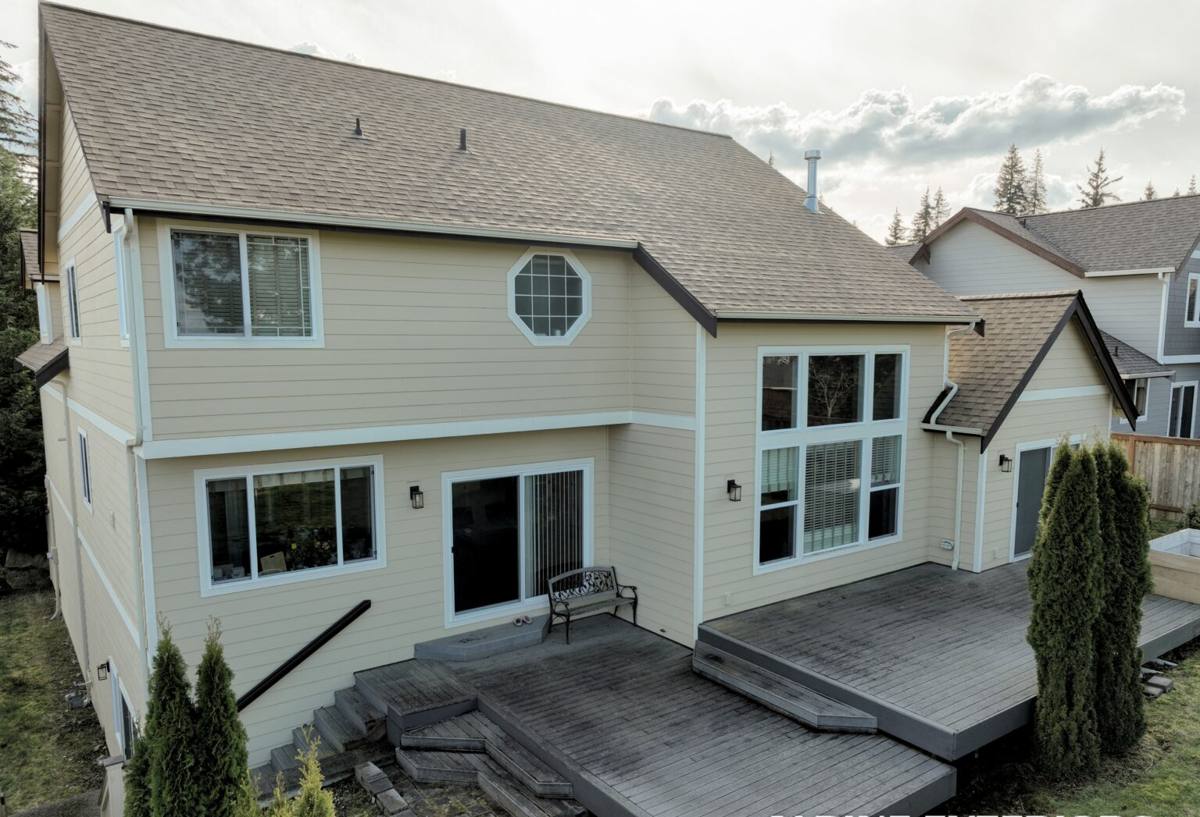
What Salt Air, Rain, and Moss Do to a Deck
Salt air and corrosion
Being surrounded by saltwater means airborne salt settles on everything, including your deck's hardware. Standard zinc-coated fasteners and brackets that work fine inland can start corroding within a few years this close to the water. Corrosion doesn't just look bad — it weakens the connection between your ledger board, joists, and posts, which is exactly where deck failures start.
Driving rain and moisture cycling
Anacortes doesn't get the heaviest rainfall in the state, but wind-driven rain off the Sound hits decks at an angle, working its way into end grain, fastener holes, and any spot where two pieces of wood meet without a gap. Wood that stays wet longer between dry spells is wood that rots faster, and it's the hidden structural members — ledger boards, joist tops, post bases — that suffer first, long before the visible decking shows a problem.
Moss and biological growth
Shaded, damp decks under trees or on the north side of a house grow moss and algae readily here, and a moss season that runs longer than it used to means more months where your deck surface stays damp and slippery. Beyond being a slip hazard, trapped moisture under moss accelerates wood decay and can stain composite surfaces if they're not built with enough airflow underneath.
Choosing Decking Material for This Climate
There's no single "best" decking material — the right choice depends on your budget, how much upkeep you're willing to do, and how exposed the deck is to sun, rain, and salt spray. Here's how the common options actually perform in Fidalgo Island conditions:
| Material | Moisture & Salt Behavior | Moss Resistance | Maintenance |
|---|---|---|---|
| Pressure-treated pine | Good if sealed regularly; end grain and cut edges need re-treatment | Low — needs regular cleaning | Annual cleaning, re-sealing every 1-2 years |
| Cedar | Naturally rot- and insect-resistant, handles moisture well | Moderate — still needs periodic cleaning | Cleaning and oil/stain every 1-2 years |
| Composite decking | Excellent — won't rot or absorb moisture into the core | Moderate to good, varies by brand and surface texture | Periodic washing, no sealing or staining |
| Tropical hardwood (e.g. ipe) | Very good, dense and naturally moisture-resistant | Moderate | Occasional oiling to maintain color; low structural upkeep |
Composite has become the most common choice for waterfront and near-waterfront homes on the island simply because it removes rot as a variable, but it's not maintenance-free — it still needs to be cleaned periodically or moss and algae will take hold on the surface just like they will on wood. Cedar remains a solid, more budget-friendly option if you're willing to stay on top of cleaning and re-oiling. We'll walk through the honest trade-offs for your specific site — sun exposure, tree cover, proximity to the water — rather than push one product line.
What's Underneath Matters More Than the Decking
Framing and joists
The decking boards are what you see, but the framing underneath is what determines how long the deck lasts. In this climate we frame with an eye toward keeping water moving off every horizontal surface — joists get proper spacing for airflow, and we avoid designs that trap standing water against structural wood.
Ledger board attachment
Where the deck attaches to the house is the single most common failure point in older decks we're called out to inspect. Flashing that wasn't properly integrated with the house's water-resistive barrier lets rain track behind the ledger board and rot both the ledger and the rim joist it's attached to. Correct flashing detail here isn't optional — it's the difference between a deck that lasts decades and one that needs structural repair in ten years.
Post bases and footings
Posts that sit directly on or in contact with damp soil or concrete wick moisture upward over time. We use elevated post base hardware that keeps the wood post off the concrete footing, which matters even more here given how long the ground stays saturated through the wet months.
Hardware and Fasteners: Where Salt Air Wins If You Let It
This is the detail that separates a deck built for Fidalgo Island from a deck built to a generic code minimum. We use fasteners and structural hardware rated for coastal or marine-grade exposure — stainless steel or heavy-duty coated hardware rather than standard galvanized — specifically because of the salt content in the air here. It costs more upfront than standard hardware. It also means you're not looking at rust streaks bleeding down your decking or a compromised connection in eight years instead of twenty-five.
Drainage and Moss Prevention by Design
You can't eliminate moss risk on a shaded, damp island, but you can design a deck that dries out faster after every rain instead of staying wet. That means:
- Proper gapping between decking boards so water drains through rather than pooling on the surface
- Joist spacing and under-deck airflow that lets the framing dry between storms
- Grading and drainage at ground level so water doesn't collect under a low deck and stay there
- Keeping decking clear of tight-against-siding runs where debris collects and holds moisture
- Choosing surface textures (for composite) that shed water rather than holding a film on top
None of these are exotic techniques — they're the kind of detail that gets skipped when a deck is built fast and to a minimum spec, and they're exactly what shows up as a maintenance headache two or three winters later.
Our Deck Building Process
1. On-site assessment
We look at sun exposure, tree cover, prevailing wind and rain direction, soil conditions, and how the deck will tie into your home's existing siding and roofline. On Fidalgo Island specifically, we also factor in how close the site is to open water and salt spray.
2. Design and material selection
We talk through decking material, railing style, and layout with the climate trade-offs laid out plainly — not steered toward whatever has the highest margin.
3. Permitting
Deck projects in the City of Anacortes and unincorporated Skagit County typically require a building permit depending on height and size, and decks attached to the home go through the same scrutiny as any structural addition. We handle the permit process as part of the job so you're not navigating it solo.
4. Framing and structural work
This is where the climate-specific choices — corrosion-resistant hardware, proper ledger flashing, elevated post bases — actually get built in, not just specified on paper.
5. Decking, railing, and finish work
Final surface installation, railing systems, stairs, and any lighting or finish carpentry.
6. Final walkthrough
We walk the finished deck with you, cover basic care for whatever material you chose, and make sure you know what routine maintenance actually looks like for your specific deck.
Permits and Local Code Considerations
Anacortes and Skagit County both regulate decks based on height above grade, size, and proximity to property lines, and waterfront or near-waterfront parcels on Fidalgo Island can carry additional shoreline setback considerations depending on the property. Skipping the permit process on a deck that requires one can create real problems at resale, so we build to code and pull the required permits rather than cutting that corner.
A Simple Pre-Project Checklist
- Confirm whether your property has any shoreline or setback restrictions before finalizing the design
- Decide how much annual maintenance you're realistically willing to do — this should drive material choice as much as budget
- Walk your yard at different times of day to understand real sun and shade exposure where the deck will sit
- Ask any contractor bidding the job what fastener and hardware grade they're specifying, not just what decking brand
- Get the ledger flashing detail explained to you specifically — it's the single most common point of failure in coastal decks
Why Local Experience on Fidalgo Island Matters
A deck built by a crew that's only ever worked inland doesn't automatically account for salt exposure, wind-driven rain angles, or how long moss season really runs here. We build and repair decks across Anacortes and the surrounding Skagit County communities, and the hardware, flashing, and material choices described on this page aren't generic recommendations — they're what we've found actually holds up on this island, season after season. That local pattern recognition is worth more than a lower bid from a crew that's going to learn these lessons on your project instead of the last one.
If you're planning a new deck or need to replace one that's showing its age, we're happy to take a look and give you a straight assessment — no pressure, no upsell. Use the form below to request a free estimate.