 Anacortes
 Why March Point Windows Take a Different Kind of Beating
March Point sits out on open water, exposed to wind and salt spray in a way that homes tucked further into Anacortes simply aren't. That exposure changes what a window needs to survive here. Salt-laden air accelerates corrosion on hardware and fasteners, driving rain off Fidalgo Bay and Padilla Bay finds every weak seal, and the long, damp Skagit County winters give moss and algae months to take hold on anything that stays wet. A window that would be perfectly fine in a drier, more sheltered part of the county can start failing here years ahead of schedule.
We're not talking about a cosmetic issue. When a window's weather seal or flashing detail is even slightly wrong, water doesn't just sit on the sill — it works its way behind the trim and into the wall assembly, where it can sit unnoticed for a long time. By the time you see a stain or feel a draft, the damage is usually already done. Getting windows right in this specific spot means treating water and salt exposure as the design problem, not an afterthought.
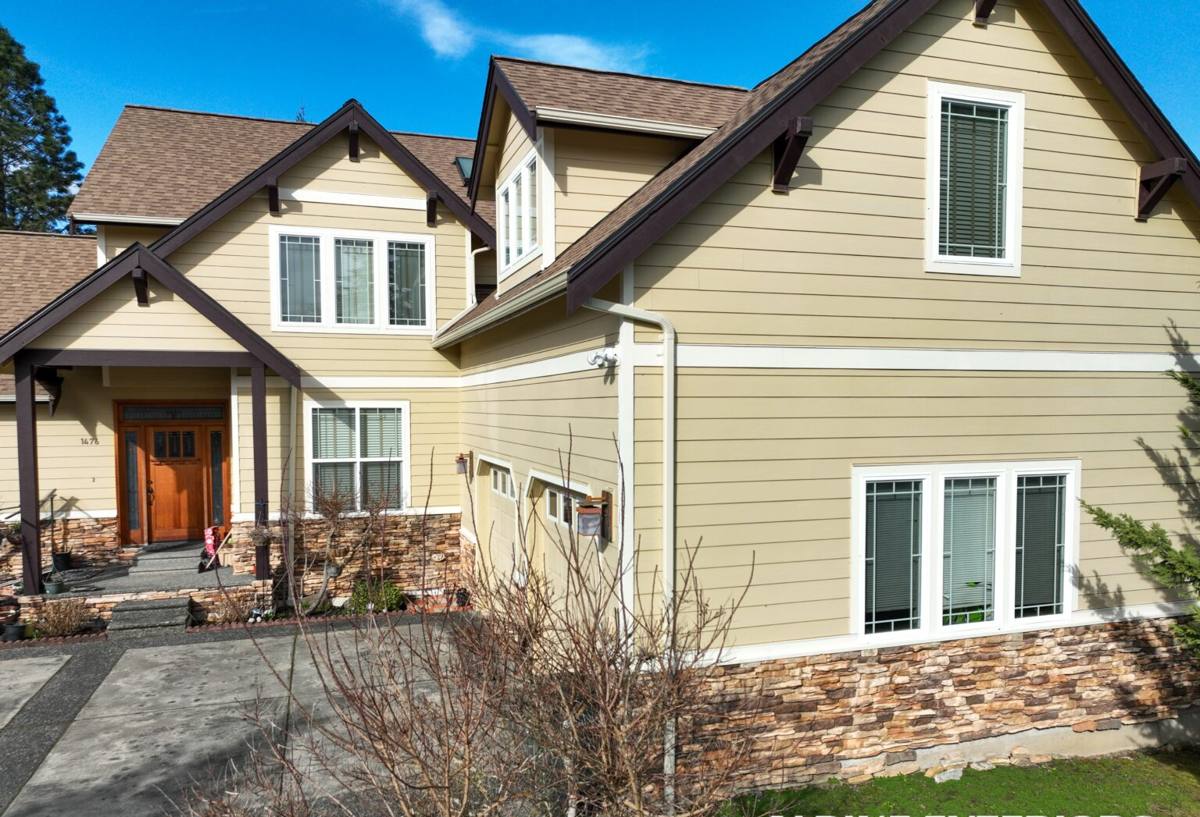
What Salt Air and Driving Rain Actually Do to a Window
Hardware and Fasteners
Cheaper hinges, locks, and screws corrode faster near open water. Once hardware seizes or pits, windows get harder to operate, harder to seal tight, and start leaking air even when they're "closed." We spec corrosion-resistant hardware on every window we install out this way — it costs a little more up front and saves a service call in five years.
Frame Materials Under Constant Moisture
Wood left unprotected at a joint or sill will take on water and eventually rot, especially with the extended damp season Anacortes gets. Vinyl handles moisture well but can become brittle over time if it's a lower-grade product installed in a high-UV, high-exposure spot. Fiberglass and quality vinyl composites tend to hold up best in this specific combination of salt, rain, and temperature swing — which is a big part of why we lean on them for waterfront and near-waterfront homes.
Moss, Algae, and Trapped Moisture
Skagit County's moss season isn't just a roof problem. Anything that stays damp for long stretches — window sills, exterior trim, the bottom of a frame — can grow moss or algae if water isn't shedding away cleanly. That buildup holds moisture against the material and slowly breaks down caulking, paint, and finish. Correct sill pitch and drainage at installation matters as much as the window product itself.
Choosing the Right Window for a March Point Home
There's no single "best" window — the right choice depends on which side of the house it's on, how exposed that wall is, and what you're trying to solve (energy loss, noise, condensation, or just an old window that's failing). Here's how the common frame materials stack up for this specific environment:
| Frame Material | Salt Air / Moisture Performance | Maintenance | Best Use Here |
|---|---|---|---|
| Vinyl (quality-grade) | Good — won't rot or corrode | Low | Most walls, budget-conscious replacements |
| Fiberglass | Excellent — very stable in temperature and moisture swings | Low | Direct water-facing exposures, high-wind walls |
| Wood (clad exterior) | Fair — interior wood warmth, but exterior clad needs correct detailing | Moderate | Interior-style preference where cladding protects the exposed face |
| Aluminum | Poor without upgraded coatings — prone to corrosion and condensation near salt air | Higher | Generally not our first recommendation this close to open water |
We'll walk the exterior with you and point out which walls are taking the brunt of the weather versus which are more sheltered. It's common for a March Point home to end up with one frame material on the water-facing side and something more standard elsewhere — that's a legitimate way to balance performance and budget rather than a compromise.
Glass Packages Worth Considering
- Dual-pane, low-E glass — the standard baseline for energy performance in this climate; helps with heat loss and condensation control.
- Argon or krypton gas fill — improves insulation value with minimal added cost, worth it for north- and west-facing rooms that take the wind.
- Laminated or upgraded glass — adds sound dampening, which matters more than people expect on a windier, more open lot.
- Condensation-resistant spacers — warm-edge spacer systems reduce interior condensation on cold, damp mornings, a real issue this close to the water.
Installation Details That Actually Matter Out Here
The window product is maybe half the job. The other half is how it's flashed, sealed, and integrated with the wall around it — and that's where most window failures we get called out to actually start.
Flashing and Water Management
Every window opening needs a proper drainage plane: sill pan flashing that sheds water outward instead of letting it pool, head flashing that directs rain away from the top of the frame, and side flashing that ties correctly into the house wrap or weather barrier. Skipping or shortcutting this is invisible on install day and becomes a wall problem two or three winters later.
Sealing Without Trapping Moisture
It sounds counterintuitive, but sealing a window "too tight" in the wrong spot can trap moisture that gets in some other way, with nowhere to escape. We seal the exterior to keep bulk water out while making sure the assembly can still dry if a small amount of moisture does get in. That balance is exactly what suffers when installers just caulk everything and call it done.
Fastening and Structural Fit
Wind load matters more on an exposed lot. Windows need to be fastened per the manufacturer's exposure-rated schedule, shimmed correctly so the frame isn't under stress, and set plumb and square so the sash operates smoothly for years, not just on day one.
Our Process, Start to Finish
- On-site walkthrough: we look at each window from both inside and outside, checking for existing water damage, rot, or drafts, not just measuring for a quote.
- Product recommendation: we explain frame and glass options in plain terms based on which wall we're working on and what you're trying to fix.
- Written estimate: a clear scope and price, no pressure to decide on the spot.
- Removal and prep: old windows come out carefully, and we inspect the opening for hidden rot or damage before anything new goes in — this is often where we catch problems the homeowner didn't know about.
- Flashing and installation: proper sill pan, head flashing, and air-seal detailing, done to hold up against wind-driven rain, not just pass a quick glance.
- Interior and exterior finish: trim, caulking, and paint or stain matched to the rest of the house.
- Final walkthrough: we test operation, check seals, and answer questions before we consider the job done.
What Drives the Cost
Every home is different, but these are the factors that actually move the price on a window project — useful to know before you start comparing quotes:
| Factor | Why It Matters |
|---|---|
| Frame material | Fiberglass and premium vinyl cost more than standard vinyl but last longer in this exposure |
| Window size and style | Larger openings, custom shapes, and operable styles (casement vs. slider) all price differently |
| Condition of the existing opening | Hidden rot or damage found during removal adds repair work before the new window goes in |
| Glass package | Upgraded low-E, gas fill, or sound-dampening glass adds cost but pays back in comfort and energy use |
| Number of windows and access | Whole-house projects and hard-to-reach upper-floor windows affect labor and equipment needs |
Keeping Your Windows Performing Between Services
A correctly installed window still needs occasional attention in this climate. A few habits go a long way toward getting the full lifespan out of the investment:
- Rinse sills and frames a couple times a year to clear salt residue before it sits and corrodes hardware.
- Clear moss or algae buildup from sills and trim promptly rather than letting it sit through a wet season.
- Check that weep holes and drainage channels on the sill stay clear of debris so water can actually exit.
- Lubricate hardware annually if it starts to feel stiff — that's often the first sign of early corrosion, not a defect in the window itself.
- Watch for soft trim or a musty smell near a window frame, which can signal a seal starting to fail before it becomes visible damage.
Why Hiring a Crew That Already Knows March Point Matters
General contractors who mostly work inland don't always think about sill pan flashing, exposure-rated fastening schedules, or which frame materials actually hold up against salt air — because most of their jobs don't need it. Working regularly in Anacortes and around Skagit County's waterfront neighborhoods means we've seen how windows in this specific setting fail, and we build around that from the first measurement rather than treating it as a special case.
That local familiarity also means we're not guessing at how a particular wall orientation on a March Point lot will take weather over a winter — we've watched it happen on other homes nearby, and we install accordingly.
If your windows are drafty, fogging between the panes, hard to operate, or just due for an upgrade, we're happy to take a look and walk you through honest options. Reach out for a free, no-pressure estimate using the form below.