 Anacortes
 New-Construction Windows for Flounder Bay Homes
Building new on Fidalgo Island near Flounder Bay means your windows go into a home that's already going to spend decades facing Rosario Strait weather head-on. New-construction window work is different from a replacement job — the windows go in before siding, trim, and interior finishes are complete, which means the flashing, the weather-resistive barrier, and the window itself all have to be sequenced correctly the first time. There's no do-over once drywall and paint are up. For a home in this location, getting that sequence right matters more than almost anywhere else in Skagit County.
This page covers what Flounder Bay's climate demands from new-construction windows, what a properly built-in window actually involves, how we approach the work on a new build, and why local experience on this stretch of shoreline changes the outcome.
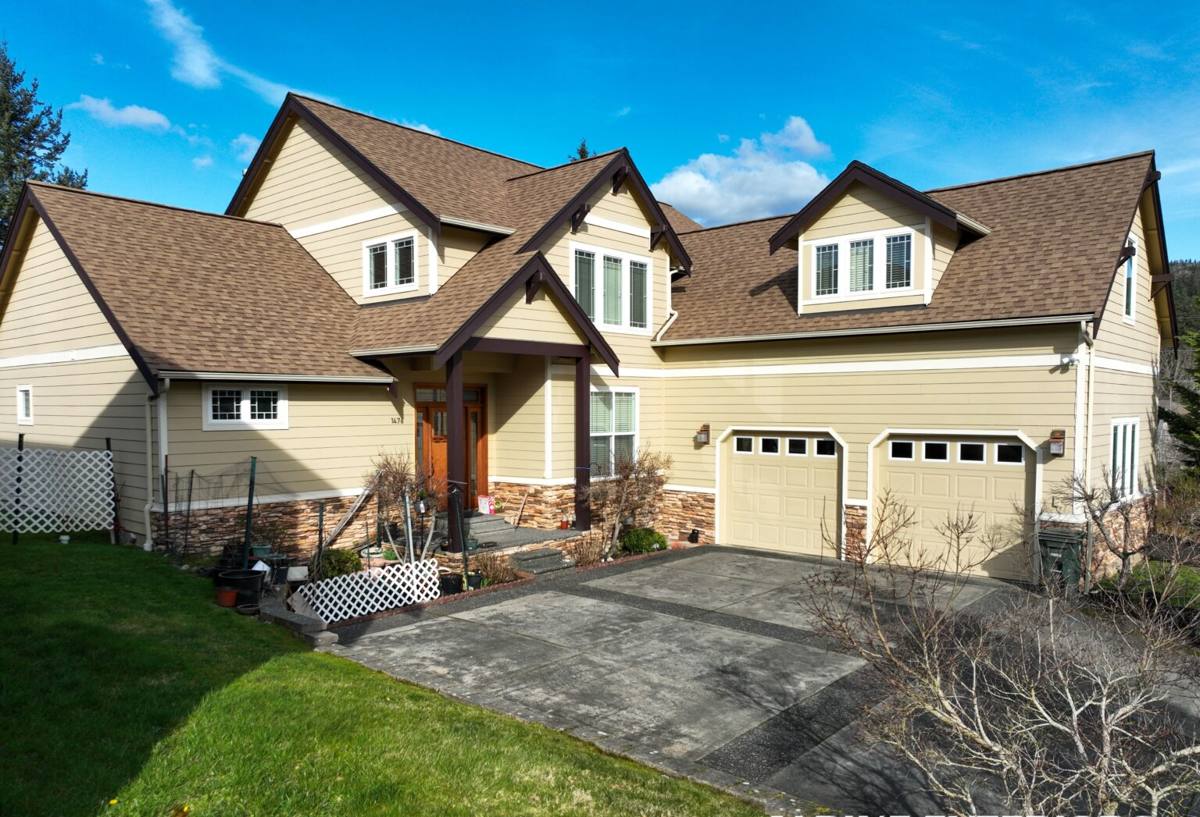
What Flounder Bay's Climate Does to Windows
Flounder Bay sits close enough to open water that salt air is a constant, not an occasional event. Combined with Anacortes's driving rain and a moss season that can stretch for months in the wet part of the year, new windows here are under more environmental pressure than the same product would face further inland.
- Salt air accelerates corrosion on exposed hardware, fasteners, and unprotected metal components — especially on the west- and water-facing sides of a home.
- Driving rain off the Strait doesn't just fall straight down; wind-driven rain pushes water sideways into any gap in the flashing or seal, which is why flashing detail matters more here than in a sheltered inland lot.
- Moss and algae growth thrives in the shaded, damp conditions common on this part of the island, and it holds moisture against trim and sills longer than a drier climate would.
- Temperature swings between summer sun on south-facing glass and cold, damp winter nights put ongoing stress on seals and insulated glass units.
None of this means new-construction windows in Flounder Bay need to be exotic or overbuilt — it means the installation details that get skipped in a hurry are exactly the ones that fail first out here.
What a Correct New-Construction Window Install Involves
Flashing and Weather-Resistive Barrier Integration
The window unit itself is only part of the system. What actually keeps water out of the wall assembly is how the window integrates with the house wrap or weather-resistive barrier, the sill pan, and the head flashing above it. On a new build, we install a sloped sill pan under every window opening, lap the weather-resistive barrier correctly at the sides and head (so water sheds outward and down, never inward), and use head flashing that directs driving rain away from the top of the unit. This is the single most common place we find corners cut on new builds we've been called in to inspect or repair — and it's invisible once the siding goes on, which is exactly why it has to be done right the first time.
Frame Material for a Marine Climate
Frame material choice affects how a window handles salt air, moisture, and long-term maintenance. There's no single "correct" answer for every home — it depends on budget, architectural style, and how much upkeep an owner wants to take on.
| Frame Material | Salt Air / Moisture Behavior | Maintenance | Typical Use Case |
|---|---|---|---|
| Vinyl | Won't corrode or rot; performs well in coastal air | Low — occasional cleaning | Budget-conscious new builds, rentals |
| Fiberglass | Very stable dimensionally, resists moisture and salt exposure well | Low | Higher-end new construction, larger openings |
| Wood-clad | Good performance if cladding and seals stay intact; interior wood look | Moderate — exterior cladding needs periodic inspection | Craftsman or traditional-style homes |
| Aluminum | Prone to corrosion in salt air unless properly coated; thermally conductive | Moderate to high near water | Modern designs, large glass spans, with marine-grade finish |
For homes directly exposed to the water side of Flounder Bay, we generally steer owners toward vinyl or fiberglass for lower long-term maintenance, and toward properly coated, marine-rated aluminum when a design calls for large glass spans. We're happy to walk through the trade-offs for your specific plan rather than default to one product for every job.
Sealants, Fasteners, and Hardware
Every fastener and sealant used on the exterior of a new-construction window install should be rated for exterior, coastal exposure — not just whatever's fastest to grab. Stainless or coated fasteners resist salt-air corrosion far longer than standard hardware, and a quality polyurethane or silicone sealant at the flashing laps holds up to years of driving rain without cracking or shrinking away from the frame.
Our New-Construction Window Process
- Plan review. We review the window schedule, rough openings, and elevations against the site's actual exposure — which walls face the water and prevailing wind matters for product and flashing choices.
- Coordination with the framing and siding trades. Window install timing on a new build has to line up with the weather-resistive barrier and rough opening prep. We coordinate directly with the builder or general contractor so nothing gets sequenced out of order.
- Sill pan and flashing installation. Sloped sill pans and properly lapped flashing go in before the window itself, following manufacturer instructions for that specific product line.
- Window setting and shimming. The unit is set plumb, level, and square, shimmed correctly to avoid stressing the frame, and fastened per manufacturer spec.
- Head flashing and barrier integration. Head flashing and the upper weather-resistive barrier lap are completed to direct water outward, away from the opening.
- Interior and exterior sealing. Insulation and air sealing at the interior, exterior caulking at the trim line, matched to the coastal exposure of that elevation.
- Final inspection. We check operation, seals, and flashing before the siding crew closes the wall up, since this is the last point anyone can see the work.
Choosing Glass and Performance Packages
Glass package matters as much as frame material for a coastal new build. Double-pane, low-E glass is the baseline for new construction in this climate; triple-pane adds further insulation value and sound dampening, which is worth considering for homes closer to the water where wind noise is more noticeable. Argon or krypton gas fill between panes improves insulating performance without changing the look of the window. For south- and west-facing glass that gets direct sun, a low-E coating tuned for solar heat gain control helps manage summer heat without sacrificing natural light in our long, gray winters.
What New-Construction Windows Typically Cost
Pricing on a new build depends on window count, size, frame material, and glass package — and it's set by the manufacturer's product line, not by us. What we can tell you honestly is what tends to move the number up or down.
| Cost Factor | Effect on Price |
|---|---|
| Frame material (vinyl vs. fiberglass vs. wood-clad) | Vinyl is typically the most affordable; fiberglass and wood-clad run higher |
| Window size and shape | Large picture windows, custom shapes, and oversized openings cost more per unit |
| Glass package (double vs. triple pane, coatings) | Triple-pane and specialty coatings add cost but improve performance |
| Number of openings | More windows per elevation increases labor and flashing detail time |
| Exposure and elevation | Water-facing walls may warrant upgraded hardware and sealants, adding modest cost |
We provide a written estimate broken down by opening so you can see exactly what's driving the number, rather than a single lump-sum figure.
Why Local Flounder Bay Experience Matters
A crew that's worked new construction elsewhere in Skagit County but not specifically near the water can still do competent work — but they're guessing at exposure decisions that a crew familiar with Flounder Bay already knows from experience. Which elevations catch the worst of the driving rain, how much salt exposure a given lot actually sees based on its position relative to the water and tree cover, and how moss and algae behave on north- and shade-facing trim over a full year here — that knowledge shapes small decisions throughout the install that add up to a window system that performs for decades instead of one that looks fine on move-in day and starts showing problems in year three.
We also know the practical side: coordinating with other trades on an active build site, working around Anacortes and Skagit County inspection scheduling, and sequencing window installation so it doesn't hold up the rest of the build.
Common Mistakes We See on New Builds
When we're called in to look at a problem window on a relatively new home, it's almost always one of these:
- Missing or improperly sloped sill pan, allowing water to pool instead of drain outward
- Weather-resistive barrier lapped in the wrong order at the window opening, directing water behind the barrier instead of over it
- Standard (non-coated) fasteners used on a water-facing elevation, leading to early corrosion staining
- Window shimmed incorrectly, putting the frame under stress and causing the sash to bind or seals to fail early
- Exterior sealant applied over dirty or wet surfaces, leading to early adhesion failure
- Head flashing omitted or installed flat instead of sloped away from the opening
Every one of these is preventable with correct sequencing and materials — none of them require exotic products, just doing the ordinary steps in the right order.
Caring for New Windows After Install
Once your windows are in and the home is finished, a little seasonal attention keeps them performing. Rinse salt residue off exterior frames and hardware a few times a year, especially after storms. Keep gutters and nearby vegetation clear so water and shade don't sit against window trim, which is one of the main drivers of moss growth on siding and trim in this area. Check exterior caulking annually for cracking or gaps, particularly after the first year or two as the house settles. These are small habits, but they extend the life of a correctly installed window system by years.
If you're planning a new build in Flounder Bay or elsewhere around Anacortes and want windows installed by a crew that treats the flashing and weather-resistive barrier details as seriously as the windows themselves, we're glad to walk your plans and give you a straightforward, no-pressure estimate.