 Anacortes
 Why Roofs Near Flounder Bay Wear Differently
Flounder Bay sits close enough to the water that homes there deal with a different set of conditions than a roof ten miles inland. Salt-laden air moves in off the bay and settles on every exposed surface, including metal flashing, fasteners, and vents. Add Anacortes' pattern of driving rain off Rosario Strait and the long, damp moss season that runs through most of the fall, winter, and spring, and you've got a roof that's under near-constant pressure. None of this means a Flounder Bay roof needs to be exotic or overbuilt — it means the details that get skipped on a cheaper job (proper flashing metal, real ventilation, correct underlayment lap) matter more here than they would somewhere drier.
We're not describing a worst-case scenario. This is just standard weather for Skagit County's coastline, and it's the baseline we design every replacement around, not an upsell.
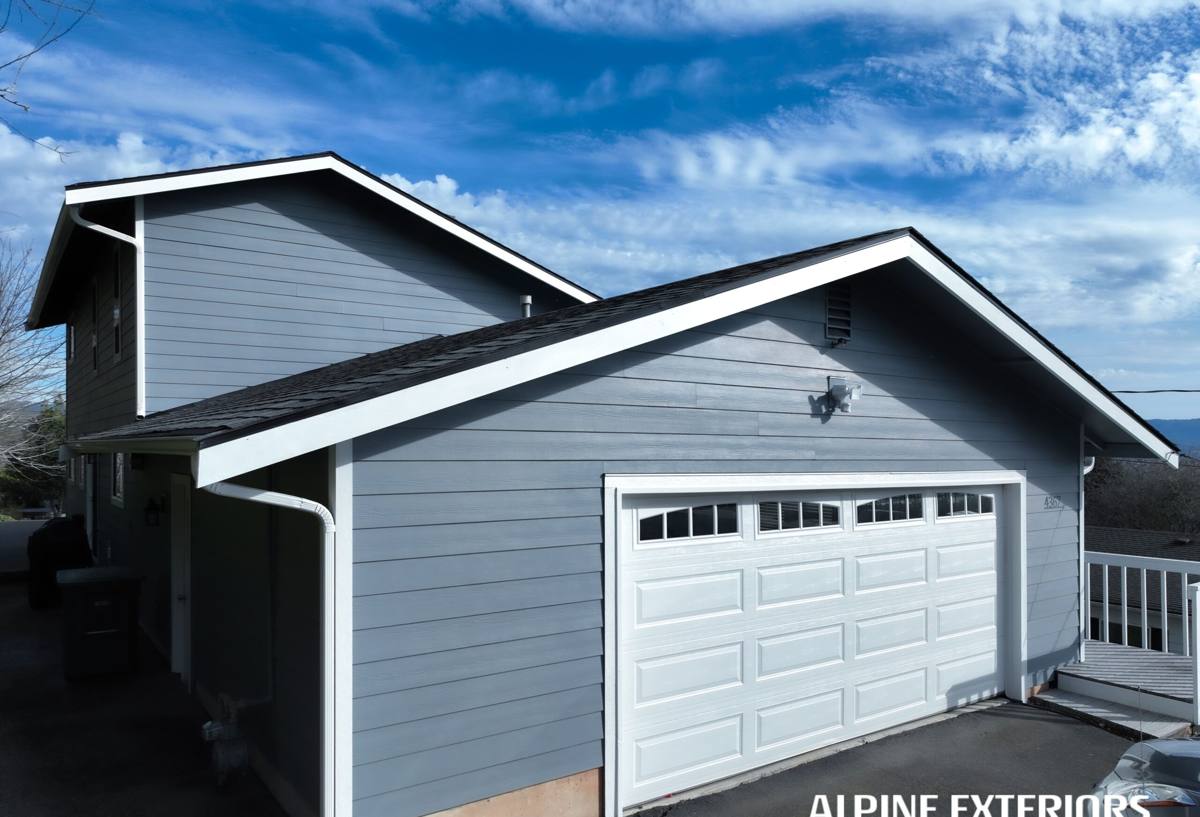
Signs It's Time to Replace, Not Patch
A lot of roofs get patched two or three times before anyone calls for a real inspection. That's fine when the roof is young and the damage is isolated. It stops being fine once the underlayment and decking start absorbing moisture underneath intact-looking shingles.
What we look for on Flounder Bay roofs specifically
- Heavy moss growth at the ridge and in shaded valleys, especially on north-facing slopes that don't get much sun to dry out
- Granule loss showing up in gutters — a sign the shingle's protective layer is wearing thin
- Rust streaking or pitting on flashing and exposed fasteners, common where salt air is a factor
- Soft or spongy decking near valleys, chimneys, or skylights, usually found only once shingles come off
- Curling or lifted shingle edges from repeated wet-dry cycling
If a roof is showing two or more of these at once, patching is usually a short-term fix that costs more in total than doing the replacement once, correctly.
What a Correct Replacement Involves
A roof replacement is really several separate systems installed together, and each one has to be right on its own.
Tear-off and deck inspection
We strip the old roofing down to the deck rather than layering over it. That's the only way to actually see the plywood or plank sheathing underneath and catch rot before it's covered up again for another 20 years.
Underlayment
Given how much rain this area sees, we treat underlayment as a real second line of defense, not a formality. Synthetic underlayment across the field, with self-adhering ice-and-water membrane at eaves, valleys, and around any roof penetration where water tends to back up or pool.
Flashing
Flashing around chimneys, skylights, sidewalls, and valleys is where most leaks actually start — not in the field of the roof. In a salt-air environment, the metal and fastener choice here matters more than usual; we don't reuse old flashing on a replacement.
Ventilation
Covered in more detail below, but it's part of the core install, not an add-on.
Material Options for Salt Air and Moss Season
There's no single "best" roofing material for Flounder Bay — the right choice depends on budget, roof style, and how much maintenance a homeowner wants to take on. Here's how the common options actually compare for this specific environment.
| Material | How it handles moss/moisture | Salt air behavior | Maintenance |
|---|---|---|---|
| Architectural asphalt shingle | Good with proper ventilation; algae-resistant granules help slow moss/streaking | Performs well with correct flashing and fasteners | Low to moderate — periodic moss/debris removal |
| Standing seam metal | Sheds water fast, resists moss buildup better than shingles | Needs a quality coated/coastal-rated panel and fastener system to avoid corrosion | Low — occasional debris clearing |
| Cedar shake | Absorbs moisture, more prone to moss and rot in shaded, damp areas without diligent upkeep | Can weather unevenly near salt air | Higher — regular treatment/cleaning needed |
| Composition/3-tab shingle | Serviceable but shorter lifespan under heavy moss pressure | Adequate with correct install | Moderate |
We install what fits the home and the budget, but we'll always tell you plainly if a material is going to demand more upkeep than a homeowner is signing up for. Cedar shake looks great and plenty of people love it, but on a shaded, damp Flounder Bay lot it needs real ongoing maintenance to avoid rot — that's a trade-off, not a defect in the product, and it's worth knowing before you buy.
Ventilation: The Part Homeowners Don't See
Ventilation is the least visible part of a roof and the most commonly under-built. Warm, moist air from inside the house rises into the attic; without a balanced intake-and-exhaust system, that moisture condenses against the underside of the deck. In a climate that's already damp for most of the year, poor ventilation accelerates deck rot from the inside while moss is working on the surface from the outside.
What balanced ventilation looks like
Intake at the eaves (soffit vents) paired with exhaust at the ridge, sized to match the attic's square footage. We check this on every replacement — it's common to find older Anacortes-area homes with exhaust vents but little to no real intake, which defeats the purpose.
Getting ventilation right doesn't cost much more at replacement time, since the roof is already open. It's one of the best long-term investments in the whole project.
Our Process, Start to Finish
1. On-site inspection and honest assessment
We walk the roof, check the attic, and tell you what we actually see — including if a repair is a reasonable option instead of a full replacement.
2. Written estimate
Material options, scope of work, and pricing laid out clearly, with no vague allowances buried in the fine print.
3. Tear-off and deck repair
Old roofing removed, decking inspected, and any rotted sections replaced before anything new goes down.
4. Underlayment, flashing, and ventilation install
The systems described above, installed in the right order and properly lapped and sealed.
5. Roofing material install
Manufacturer specs followed for nailing pattern, exposure, and fastening — this is what keeps a warranty valid.
6. Cleanup and final walkthrough
Magnetic sweep for stray fasteners, debris hauled off, and a walkthrough so you know exactly what was done.
Cost Factors to Understand Before You Get Quotes
Roof replacement pricing varies a lot based on real, specific factors — not just square footage. Two similarly sized roofs in the Flounder Bay area can price differently for good reasons.
| Factor | Why it moves the price |
|---|---|
| Roof pitch and access | Steeper roofs and difficult access (tight lots, no easy staging area) slow work and add safety equipment needs |
| Number of valleys, penetrations | Every chimney, skylight, and valley needs custom flashing work — more of them means more labor |
| Deck condition | Rotted sheathing found during tear-off has to be replaced before new roofing goes on |
| Material choice | Metal and premium shingle lines cost more upfront than standard architectural shingle |
| Ventilation upgrades | Adding proper soffit intake where none existed is extra work but pays off long-term |
| Layer removal | Roofs with multiple existing layers take longer and generate more disposal cost to tear off |
We don't quote a number over the phone without seeing the roof — anyone who does is guessing, and that guess usually changes once the crew is already on the roof.
Why Local Experience in Flounder Bay Matters
A crew that regularly works the Anacortes waterfront already knows which details get shortcut on cheaper jobs and cause problems two or three winters later — undersized ventilation, reused flashing, underlayment that doesn't account for how much rain this area actually gets. That's not a marketing point, it's just what happens when you've replaced roofs on homes facing the same wind and moisture patterns your roof faces.
It also means straightforward logistics: material staging, scheduling around Skagit County weather windows, and being reachable if something needs a follow-up look after the job is done.
Checklist: What to Ask Any Roofing Contractor Before You Hire
- Will you tear off down to the deck, or install over the existing layer?
- What underlayment and ice-and-water shield will you use, and where specifically?
- How will you handle ventilation — what's the current setup and what's the plan?
- Is the estimate itemized, or is it one lump number with no breakdown?
- Are you licensed and insured in Washington, and can you provide proof?
- What's the manufacturer's warranty, and does your installation qualify you as a certified installer for it?
If a contractor can't answer these clearly and specifically, that's worth noting before you sign anything.
If your roof near Flounder Bay is showing wear, moss buildup, or you're just due for an honest look, we're happy to come out for a free, no-pressure estimate. Use the form below to get started.