 Anacortes
 Siding Installation for Burlington Homes
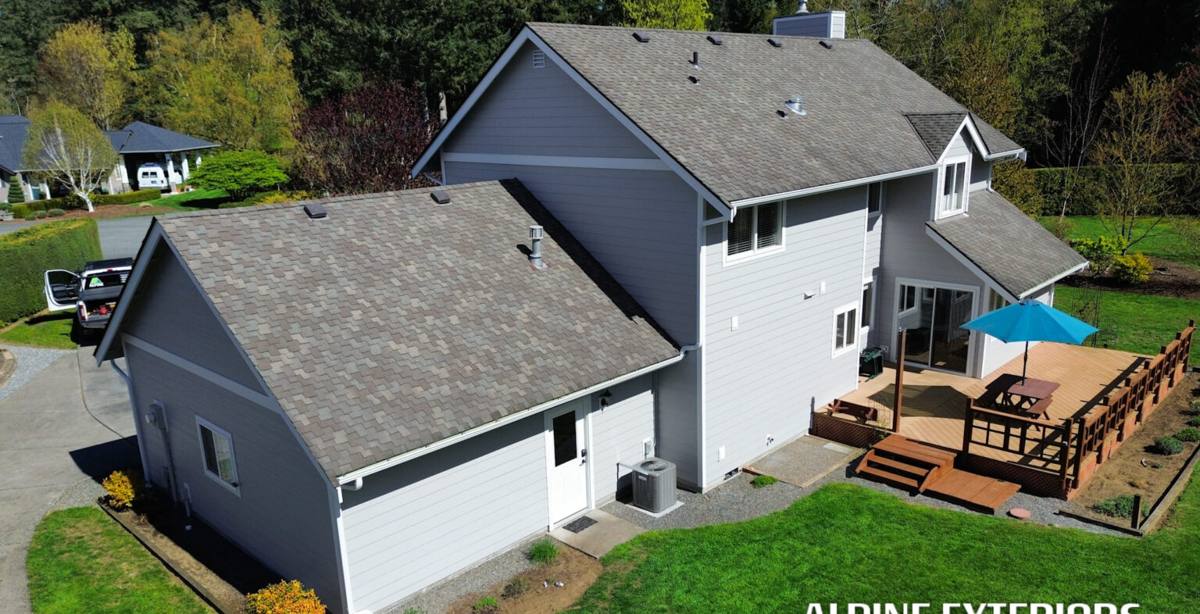
Burlington sits inland from the water compared to Anacortes proper, but it's still squarely inside Skagit County's marine-influenced weather system. That means long wet seasons, heavy shade in a lot of established neighborhoods, and the kind of humidity that keeps moss and mildew in business year-round. Siding here isn't just a cosmetic choice — it's the layer standing between your framing and a climate that stays damp for months at a stretch. We install siding in Burlington regularly as part of our regular Skagit Valley service area, and we bring the same standards here that we use on waterfront jobs in Anacortes.
This page focuses on one thing: what a correct siding installation looks like for a Burlington home, why the details matter more here than in a drier climate, and how we handle the job from first look to final walk-through.
Burlington's Climate, Honestly
Burlington doesn't take the direct salt spray that waterfront Anacortes homes deal with, and it's worth being straight about that — a house a few miles up the valley isn't fighting the same corrosion pressure as one facing open water. But the region shares one weather pattern, and that pattern is what actually wears out siding:
- A long wet season. Skagit County sees extended stretches of steady, low-intensity rain rather than short heavy storms — the kind of rain that finds every gap in flashing and caulk over time instead of all at once.
- Shade and moisture retention. Mature trees and closer lot spacing in many Burlington neighborhoods mean siding stays damp longer after a rain event, which is exactly what moss and algae need to take hold.
- Temperature swings across the seasons. Wood-based and wood-adjacent siding products expand and contract with moisture cycles, which stresses paint film, joints, and fasteners over years of exposure.
None of this is dramatic on its own. It's cumulative. A siding installation that ignores it looks fine for the first few years and then starts showing problems — soft spots, peeling paint, staining — right around the time most homeowners assume they're past the risk window.
What a Correct Installation Actually Involves
Siding is a water management system first and a finish material second. The board itself matters, but it fails or succeeds based on what's underneath and around it. On every Burlington installation we handle the same fundamentals:
Water Management Behind the Siding
A weather-resistive barrier goes over the sheathing before any siding touches the wall. Flashing gets installed at every window, door, and horizontal trim transition so water is directed out and down rather than being able to work its way behind the cladding. In a climate that stays wet as long as Skagit Valley's does, a missed flashing detail isn't a someday problem — it's a two-to-three-year problem.
Fastening and Joints
James Hardie fiber cement has specific fastening patterns and clearance requirements — nail placement, minimum gaps at butt joints, clearance from grade and roof lines — that are published by the manufacturer for a reason. Installing it like a generic lap siding product voids the warranty and creates exactly the moisture entry points that cause long-term damage. We install to Hardie's published specifications, not to a shortcut version of them.
Ventilation and Drying Potential
In a climate where siding rarely gets a long dry stretch to fully shed moisture, a wall assembly that can actually dry out matters. Proper clearances, back-ventilation where called for, and correct caulking (not over-caulking, which traps moisture in) all affect how well a wall recovers between wet spells.
Why We Only Install James Hardie
We standardized on James Hardie fiber cement siding for every job we do, including here in Burlington, and we don't install vinyl, LP SmartSide, or other engineered wood or composite products. That's not a marketing position — it's a decision based on how those materials perform over time in this specific climate.
James Hardie's fiber cement is non-combustible, dimensionally stable in wet-dry cycling, and comes factory-finished with ColorPlus technology, which means the color coat is baked on under controlled conditions rather than field-applied. That matters directly in a climate like Skagit Valley's, where field-applied paint has to cure and perform through long damp stretches. Hardie also engineers specific product lines (HZ5 and HZ10) for different climate zones, accounting for exactly the kind of moisture exposure Western Washington sees. It's not a one-size-fits-all product pretending to work everywhere.
We're not going to tell you every other product is junk — that's not honest and it's not our call to make about a manufacturer's entire line. What we will say is that after years of doing this work in this climate, we stopped installing materials that require more maintenance vigilance than most homeowners realistically keep up with, or that behave unpredictably at moisture-exposed edges and joints. Hardie, installed correctly, is the version of this decision we're willing to stand behind.
Signs Your Current Siding Is Losing the Battle
- Paint that's peeling, bubbling, or chalking well before you'd expect a repaint to be due
- Soft or spongy spots when you press on siding near the bottom courses or around windows
- Persistent moss or dark streaking that comes back within weeks of cleaning
- Visible gaps or separation at butt joints and corner boards
- Warping or cupping on horizontal boards, especially on shaded north- and west-facing walls
Any one of these on its own might just mean a cleaning or a caulk touch-up. Several at once, especially on a home more than 15-20 years old, usually means the siding system itself — not just the surface — is starting to fail.
Our Installation Process
- On-site assessment. We look at the existing siding, sheathing condition where accessible, trim details, and any problem areas specific to your home's exposure and shading.
- Tear-off and inspection. Removing the old siding lets us actually check the sheathing and framing underneath for hidden moisture damage before anything new goes up — this step gets skipped by crews trying to move fast, and it's the step that matters most.
- Weather barrier and flashing. New house wrap and flashing at every penetration and transition, installed before siding, not patched in around it.
- Hardie installation to spec. Correct fastening, clearances, and joint treatment per James Hardie's installation requirements.
- Trim, caulking, and paint touch-up. Factory ColorPlus finish means minimal field painting is needed — mainly cut edges and trim details.
- Final walk-through. We go over the completed work with you directly rather than just leaving an invoice.
Comparing Siding Options for a Climate Like This
| Factor | James Hardie Fiber Cement | Vinyl | LP SmartSide / Engineered Wood |
|---|---|---|---|
| Moisture resistance | High — cement-based, doesn't absorb and swell | Doesn't absorb water, but seams and edges can trap moisture behind panels | Wood-based core is vulnerable if edges aren't sealed and maintained |
| Finish durability in wet shade | Factory-baked ColorPlus finish resists moss staining better than field paint | Color is through-body but can fade and become brittle over time | Relies on field-applied or factory coatings that need upkeep at cut edges |
| Fire resistance | Non-combustible | Melts/deforms under heat exposure | Combustible (wood-based) |
| Maintenance burden | Low when installed to spec — occasional wash | Low, but cracks/warps in temperature swings over time | Moderate to high — edge sealing and moisture checks matter |
| Typical lifespan when correctly installed | Multi-decade, strong transferable warranty | 20-40 years, variable by product grade | Manufacturer-dependent, sensitive to installation quality |
Every product on that table has a legitimate use case somewhere. Our position is narrower than "vinyl and engineered wood are bad" — it's that for the specific combination of long wet seasons and shaded, moss-prone conditions common around Burlington, fiber cement with a factory finish is the product we're comfortable standing behind long-term.
Choosing a Contractor for Siding Work in Burlington
The material is only half the equation — installation quality determines whether any siding product performs the way it's supposed to. Before hiring anyone for a siding job here, it's worth checking:
- Are they familiar with James Hardie's actual installation specifications, or installing it like generic lap siding?
- Do they tear off old siding and inspect sheathing, or install over existing material?
- Can they explain their flashing and water-management approach in plain terms, not just "we caulk everything"?
- Are they licensed and insured for exterior work in Washington State?
- Do they work in this area regularly, or is this a one-off drive-in job?
A crew that already works Burlington and the surrounding Skagit Valley knows which walls take the most weather, which older homes in the area tend to have specific moisture patterns behind their siding, and what a realistic timeline looks like given the local weather rather than a generic install schedule.
Get a Free, No-Pressure Estimate
If your Burlington home's siding is showing wear, or you're planning ahead before it becomes an urgent repair, we're happy to take a look and give you an honest read on what's actually going on. There's no obligation and no pressure — just a straightforward assessment and a written estimate for James Hardie siding installation done right. The form below will get you started.