 Anacortes
 Conway Sits in a Tough Spot for Siding
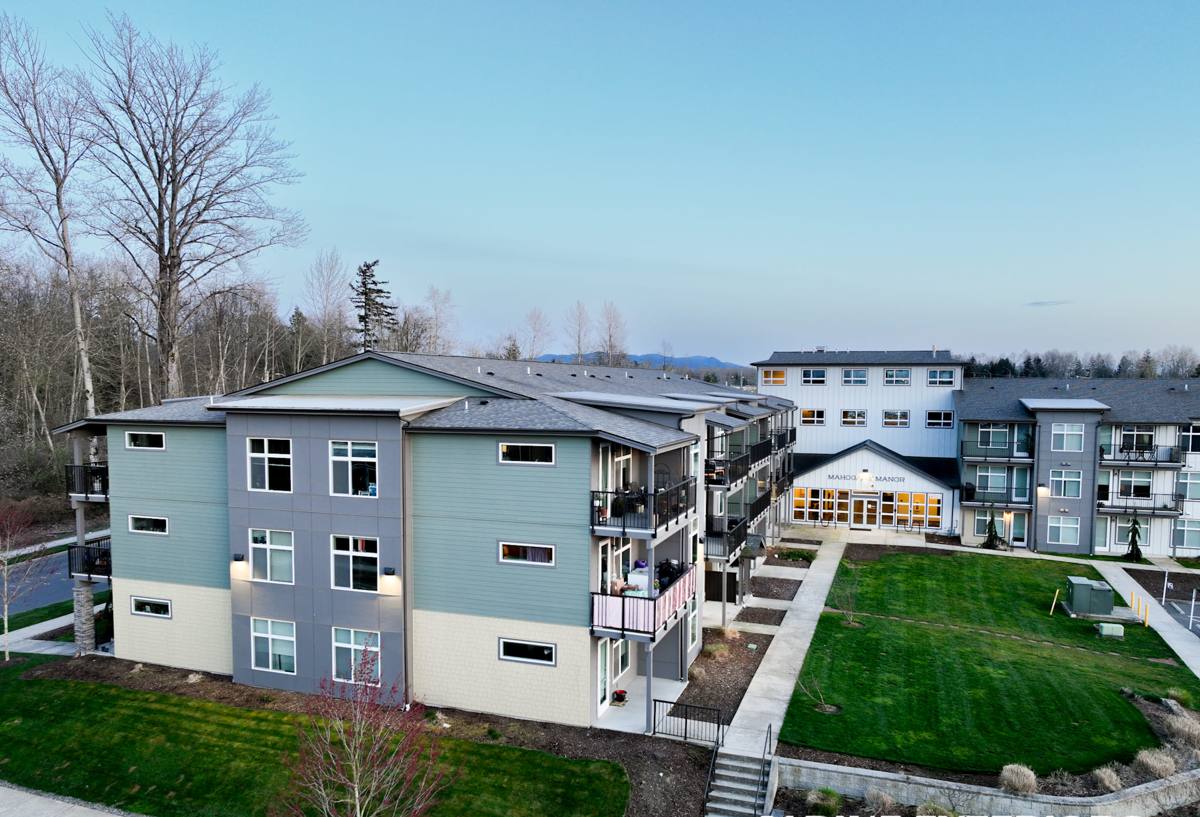
Conway is a small, low-lying community in the Skagit River delta, tucked between farmland and tidal water not far from Skagit Bay. That location is part of what makes the area beautiful, and it's also exactly why siding here takes more punishment than siding on a house twenty miles inland. Homes in Conway deal with a combination most siding products were never designed for: near-constant moisture off the river and bay, salt-laden air drifting in from the Sound, and long stretches of gray, low-sun winter that turn north- and west-facing walls into moss farms.
None of that means siding installation in Conway has to be a losing battle. It means the installation has to be done correctly, with the right material, the right water management details, and a crew that understands what this specific stretch of Skagit County does to a wall system over twenty or thirty years.
What Salt Air and Driving Rain Actually Do to a Wall
Salt Air
Proximity to Skagit Bay means airborne salt is a real, if often overlooked, factor for Conway homes — even a few miles inland. Salt-laden moisture accelerates corrosion on exposed metal fasteners, flashing, and hardware, and it can speed up the breakdown of lower-grade paint films on wood and composite sidings. This isn't a coastal-Florida level of exposure, but over decades it adds up, especially on the windward sides of a house.
Driving Rain
Storms coming off the water don't just drop rain straight down — wind pushes it sideways, into every lap, joint, and penetration in the siding. A wall that only has to shed vertical rain can get away with sloppier flashing details. A wall that regularly takes wind-driven rain cannot. Water finds the smallest installation shortcut — a missing kick-out flashing, a caulked-instead-of-flashed window head, siding nailed too tight to the wall — and it will eventually get behind the cladding.
What Happens When Water Gets Behind Siding
- Trapped moisture keeps the wood-based sheathing behind the siding damp long after the surface has dried
- Prolonged dampness invites rot in sheathing, framing, and window bucks
- Paint and finish failure accelerates from the back side, showing up as bubbling or peeling months before you'd expect
- Mold and mildew get a foothold inside wall cavities where nobody sees it until a remodel or a moisture problem forces the wall open
Moss Season Isn't Just a Roof Problem
Everyone in Skagit County knows moss season on the roof. Fewer homeowners realize it affects siding too. On shaded walls — typically north- and east-facing elevations tucked under overhangs or tree cover, common on tree-lined Conway lots — the combination of shade, moisture, and cool temperatures lets moss and algae get a start directly on the siding surface, especially in horizontal laps and around trim where water sits longest.
On absorbent siding materials, that growth isn't just cosmetic. Moss and algae hold moisture against the surface, which keeps the material wetter for longer stretches of the year than an open, sun-exposed wall ever experiences. Over time that shortens the service life of moisture-sensitive products and accelerates paint and finish breakdown. It's one more reason material choice matters as much as workmanship in a place like Conway.
What Correct Siding Installation Involves Here
A siding job that's just "nailed up straight" isn't enough in this climate. A correct installation for a Conway home is really a water-management system, with the visible siding as only one layer of it.
The Details That Matter Most
- A continuous weather-resistant barrier installed behind the siding, lapped correctly (upper courses over lower) so any water that does get past the cladding drains down and out instead of soaking in
- Proper flashing at every window, door, and roof-to-wall intersection — including kick-out flashing where a roof edge meets a sidewall, one of the most commonly missed details on older homes in wet climates
- Correct fastening — the right fastener type, spacing, and depth for the specific siding product, since over- or under-driven fasteners are a leading cause of premature siding failure
- Rainscreen or drainage gap where called for, so the wall assembly can dry to the outside rather than trapping moisture against the sheathing
- Correct clearances from grade, roof lines, decks, and patios, so siding isn't sitting in a permanently damp zone where it can wick moisture from below
- Sealed and caulked joints only where the manufacturer specifies them — sealant is not a substitute for flashing, and over-caulking can trap water in rather than keep it out
Skip any one of these and the siding may look fine for a few years before problems start showing up — which is exactly why installation quality matters more than most homeowners realize when comparing bids.
How We Approach a Conway Siding Installation
- On-site assessment. We walk the exterior, check existing water-intrusion points, note shaded and exposed elevations, and look at grade, roofline intersections, and drainage around the foundation.
- Tear-off and sheathing check. Old siding comes off and we inspect the sheathing underneath for hidden rot or moisture damage before anything new goes up — this is often where problems from a prior poor installation surface.
- Weather-resistant barrier and flashing. We install and properly lap the water barrier, then flash every penetration, window, door, and roof intersection before a single piece of siding goes on.
- James Hardie fiber cement installation to manufacturer spec. Correct fastener schedule, correct clearances, correct joint treatment — installed the way the product is engineered to perform, not just the way that's fastest.
- Trim, caulking, and final detail work. Sealant goes only where it belongs; the goal is a wall that can shed water and still dry out if any moisture does get in.
- Final walkthrough. We go over the finished exterior with the homeowner, including basic care notes for local conditions like moss growth on shaded sides.
Why We Install Only James Hardie Fiber Cement
We don't install vinyl, LP SmartSide, primed spruce, cedar, or other fiber cement brands, and Conway's climate is a good example of why. Vinyl siding can warp and its seams can loosen with repeated wet-dry and temperature cycling, and it offers little protection against sustained moisture exposure at seams and penetrations. Wood-based and engineered-wood products like LP SmartSide depend on an intact factory finish and diligent long-term maintenance to keep moisture out — miss a touch-up on a swollen edge in a climate this wet, and deterioration can move quickly. Cedar and primed wood siding require the most ongoing maintenance of all, with refinishing cycles that are hard to keep up with in a climate that offers few fully dry weeks in a row.
James Hardie fiber cement is non-combustible, dimensionally stable in wet-dry cycling, and comes with a factory-applied ColorPlus finish that's baked on rather than painted after installation, which holds up better against the fade and moisture cycling common on marine-influenced walls. Hardie's HZ5 product line is engineered specifically for cold, wet climate zones like the Pacific Northwest. It's not maintenance-free — nothing exposed to Skagit County weather is — but it's the product we've found holds up to this specific combination of salt air, driving rain, and moss season with the least long-term risk to the wall behind it.
Material Comparison for Conway's Climate
| Factor | James Hardie Fiber Cement | Vinyl | Wood / LP SmartSide |
|---|---|---|---|
| Moisture resistance | Engineered for wet climates (HZ5 line) | Sheds surface water; seams vulnerable | Dependent on finish integrity |
| Salt air durability | Non-combustible, dimensionally stable | Can become brittle over time | Finish breakdown accelerates exposure risk |
| Moss/algae resistance | Factory finish resists staining | Prone to surface algae film | Absorbent surface holds growth longer |
| Maintenance cycle | Periodic cleaning, no repainting needed for years | Low, but limited repair options | Regular refinishing required |
| Fire rating | Non-combustible | Combustible | Combustible |
Why a Locally Familiar Crew Makes a Real Difference
Conway isn't a place where a generic siding install translates well from a subdivision in another part of the state. It's a low-lying delta community where properties often sit close to farmland, drainage ditches, and river-influenced ground. A crew that already works this part of Skagit County knows to pay closer attention to clearance from grade, drainage around the foundation, and shaded elevations where moss takes hold first. That's not something you can fully substitute for by reading a spec sheet — it comes from having done the work on similar homes nearby and having seen what fails and what holds up.
Local familiarity also means understanding Skagit County's permitting expectations for exterior work, so the job proceeds without avoidable delays. And when the crew installing your siding lives and works in the same climate they're building for, they have every incentive to get the water-management details right the first time.
A Simple Pre-Project Checklist
- Ask what's happening behind the siding, not just what siding is going on top — weather barrier, flashing, and fastening details matter as much as the visible product
- Confirm the crew is familiar with wet, marine-influenced climates, not just siding installation in general
- Ask how shaded, moss-prone elevations will be handled differently from sun-exposed walls
- Get a clear explanation of the material's warranty and what voids it
- Make sure old sheathing gets inspected for hidden moisture damage before new siding goes up, not covered over
Ready for a Straight Answer on Your Conway Home
Every Conway property is a little different depending on tree cover, sun exposure, and how close it sits to the river or the bay, and that affects how we'd approach the job. If you're weighing a siding replacement or want a straight assessment of what your current siding is telling you, we're happy to take a look. Request a free, no-pressure estimate below and we'll walk the exterior with you and talk through what your home actually needs.