 Anacortes
 Siding Replacement for Cap Sante's Marine Climate
Cap Sante sits close enough to the water that homes here take a different kind of beating than siding just a few miles inland. Salt-laden air off Fidalgo Bay works into every seam and fastener hole. Wind-driven rain off the water hits walls at an angle, not just straight down, which pushes moisture into laps and joints that a calmer climate would never test. And the long stretch of gray, damp months every year gives moss and algae months at a time to establish themselves on north-facing and shaded walls. None of this is unique to any one house — it's just what siding on Fidalgo Island has to survive, year after year, for decades.
Siding replacement in this kind of setting isn't just a cosmetic project. It's a chance to correct whatever let moisture in the first time, upgrade to a material that's actually engineered for coastal exposure, and get a couple more decades out of the exterior before you have to think about it again.
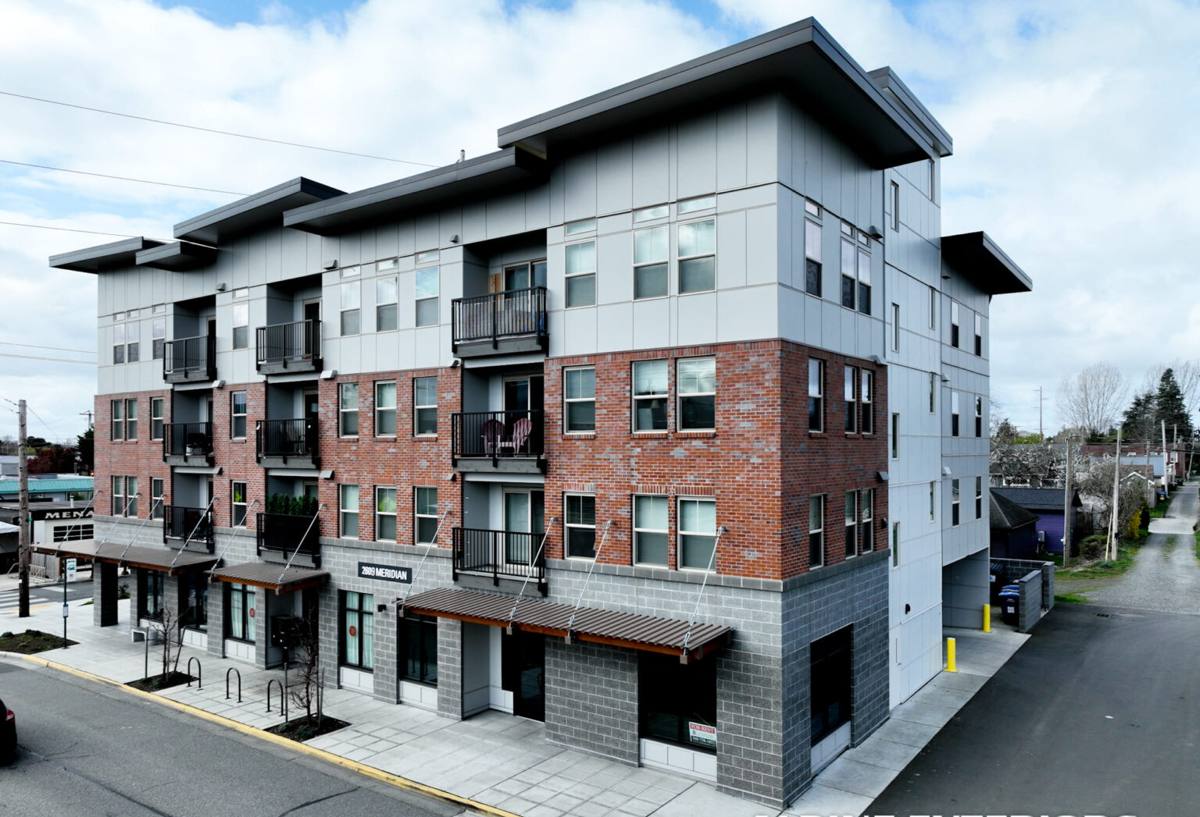
What Cap Sante Homes Actually Need From Their Siding
Not every siding product performs the same way in salt air and constant damp. A few things matter more here than they would in a drier, inland part of Skagit County:
- Moisture stability — the material shouldn't swell, cup, or delaminate when it stays damp for days at a stretch during our wet stretches.
- Fastener and hardware corrosion resistance — salt air accelerates corrosion on anything metal, from nail heads to trim flashing.
- A finish that resists moss and mildew staining — shaded, north- and west-facing walls near the water grow moss faster than most homeowners expect.
- Dimensional stability in wind — Cap Sante gets exposed to real wind off the bay, and loose or poorly fastened siding will telegraph that over time with rattling, gaps, or lifted edges.
- A product that holds paint and color without constant recoating — repainting siding on a house exposed to salt air and rain is not a job most owners want to repeat every few years.
This is exactly why we standardized on James Hardie fiber cement siding and stopped installing vinyl, LP SmartSide, primed wood, or comparable fiber cement alternatives. It's not that those products don't have a place somewhere — it's that on a Cap Sante lot, close to salt air and constant rain, they ask homeowners to accept trade-offs we don't think make sense anymore.
Why We Don't Install Vinyl or Engineered Wood Siding Here
Vinyl siding is inexpensive and easy to install, but it's a petroleum-based product that expands and contracts with temperature swings, can crack in cold snaps, and isn't fire-resistant. Engineered wood products like LP SmartSide use a wood-strand core that performs well when installation and caulking are perfect and stays that way for years — but any gap that lets water sit against the exposed wood fiber creates a maintenance problem, and homes near the water get more chances for that gap to matter. Both products can work fine elsewhere. Fiber cement — specifically James Hardie's HardiePlank and HardieShingle lines — is a non-combustible material engineered to hold its shape and finish in wet, salt-exposed climates like ours, which is why it's the only siding we put on a house.
Signs Your Cap Sante Home's Siding Needs Replacement
Some damage from salt air and rain is obvious. Some isn't visible until you know what to look for. Before you decide between a repair and a full replacement, walk your exterior and check for:
- Soft or spongy spots when you press on the siding, especially near the bottom courses and around window and door trim
- Paint that's peeling, bubbling, or chalking heavily on one side of the house more than the others
- Persistent moss or dark streaking that comes back within a season of cleaning
- Visible cupping, warping, or separated seams, particularly on wood-based or older composite siding
- Rust streaks running down from nail heads or metal trim
- Gaps that have opened up at corners, around penetrations, or where siding meets trim
- A musty smell or visible staining on interior walls that back up to exterior siding
One or two of these on an otherwise sound wall might mean a repair is enough. Several of them together, or any sign of rot reaching the sheathing underneath, usually means it's time to replace that section — or the whole exterior — properly rather than patch around a failing system.
What a Correct Siding Replacement Involves
Replacing siding well is mostly about what happens before the new siding ever goes up. On a Cap Sante home, we treat the tear-off and prep stage as the most important part of the job, not a formality on the way to the fun part.
Tear-Off and Inspection
Old siding comes off in full, not patched around, so we can see the sheathing underneath. This is where hidden rot, past water intrusion, or failed old flashing usually shows up. Any damaged sheathing gets replaced before anything else happens — covering rotten wood with new siding just hides a problem that gets worse.
Weather-Resistive Barrier and Flashing
A correctly installed weather-resistive barrier, properly lapped and sealed, is what actually keeps wind-driven rain from reaching your framing — the siding itself is the first line of defense, but the barrier and flashing behind it are what really protect the house. Window and door flashing gets integrated into that barrier so water sheds outward at every penetration, which matters more on a home exposed to horizontal rain than it does somewhere more sheltered.
Installation to Manufacturer Spec
James Hardie siding is engineered for specific fastener patterns, clearances, and gaps — installed off-spec, it can trap moisture or fail to perform the way it's rated to. That includes proper clearance above rooflines, decks, and grade; correct nailing to avoid overdriving or underdriving fasteners; and butt joints and corners sealed the way the manufacturer specifies, not however is fastest.
Finish and Trim
ColorPlus factory-finished siding arrives with the color baked on, which means less field painting and a more even, durable finish than site-applied paint — important on a house that's going to face years of damp weather before it would otherwise need repainting.
Our Process for a Cap Sante Siding Replacement
- On-site assessment — we look at your current siding, sheathing condition where accessible, and any trouble spots you've noticed, then walk you through what we find.
- Written estimate — a clear scope covering tear-off, any sheathing repair, house wrap, flashing, the Hardie product and profile, and finish.
- Scheduling around weather — we plan tear-off and barrier installation for stretches with a reasonable dry window, since an open wall shouldn't sit exposed to rain longer than necessary.
- Tear-off and sheathing repair — full removal, inspection, and replacement of any compromised sheathing before we move forward.
- Barrier, flashing, and siding installation — installed to manufacturer spec, with attention to the details that matter most in a marine climate.
- Final walkthrough — we go over the finished exterior with you before calling the job done.
Cost Factors for Siding Replacement
Every home is different, but the same handful of factors drive most of the cost difference between one Cap Sante siding job and another:
| Factor | Why It Matters |
|---|---|
| House size and wall complexity | More square footage and more corners, gables, and trim details mean more material and labor |
| Sheathing condition | Rot found during tear-off requires repair before new siding goes on — this is common on older homes near the water |
| Siding profile chosen | Lap siding, shingle-style panels, and trim details vary in material and installation cost |
| Access and site conditions | Steep lots, limited staging area, or multi-story walls affect labor time |
| Existing siding removal | Some materials come off faster and cleaner than others |
| Color and finish | ColorPlus factory finish versus field-painted trim affects both cost and long-term maintenance |
We give you a real, itemized number after seeing the house — not a rough guess over the phone — because the sheathing condition alone can change the scope significantly once we get the old siding off.
Why a Local Anacortes Crew Matters for This Job
A crew that regularly works Cap Sante and the rest of Anacortes has already seen how salt air and driving rain age siding on this side of Skagit County, which means we're not guessing at what to look for during tear-off or how tight the flashing details need to be. We know which walls in this area tend to take the worst of the weather, what moss growth here typically means about moisture behind the siding, and how to sequence a job around our stretch of wet months instead of losing time to weather nobody planned for. That local familiarity shows up in the details — the flashing choices, the fastener spacing, the sequencing — more than in anything you'd notice on the surface.
After Your Siding Is Replaced
James Hardie siding with a ColorPlus finish needs far less upkeep than wood or repainted composite, but a little seasonal attention keeps it looking right in this climate:
- Rinse off salt residue and grime with a garden hose a couple of times a year, especially on walls facing the water
- Keep gutters clear so overflow doesn't run down the siding face
- Trim back vegetation and branches that keep a wall shaded and damp longer than it needs to be
- Address any moss regrowth early with a gentle wash rather than letting it establish
- Check caulking at trim and penetrations every couple of years and touch up as needed
If you're seeing signs of wear on your Cap Sante home's siding, or you just want an honest read on whether a repair or a full replacement makes more sense, we're happy to come take a look. The estimate is free, there's no pressure, and you'll get a straight answer either way.