 Anacortes
 Siding in Similk Beach Has to Work Harder Than Siding Inland
Similk Beach sits close to the water on the south end of Fidalgo Island, and that location comes with a specific set of demands on a home's exterior. Homes here take on salt-laden air off the water, driving rain that comes in sideways during winter storms, and a long, damp shoulder season that gives moss and algae months to establish themselves on anything that stays wet. A siding product and installation that would be perfectly fine in a drier inland town can fail early here — not because the product is bad, but because it wasn't matched to this specific exposure.
This page is about one thing: James Hardie fiber cement siding, installed correctly, on a home in Similk Beach. Not siding in general, not a national overview — what this specific climate does to an exterior, what a correct Hardie installation looks like in response, and why the installer matters as much as the material.
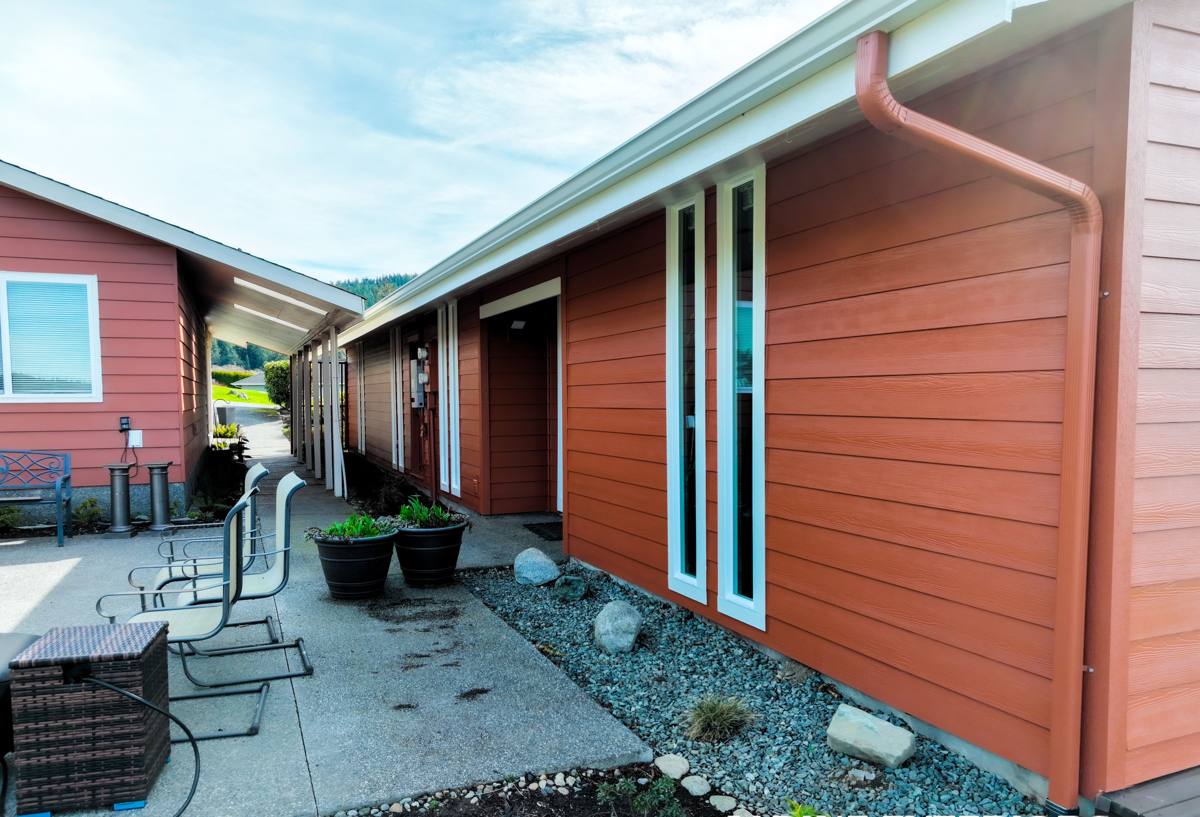
What Salt Air, Rain, and Moss Actually Do to a House
Each of these three factors attacks a house differently, and understanding the mechanism is what separates a siding job that lasts from one that doesn't.
Salt Air
Airborne salt is corrosive to metal fasteners, flashing, and trim hardware, and it accelerates the breakdown of paint films and caulking. On a home near the water, anything installed with standard interior-grade fasteners or left with exposed, unprotected metal will show rust streaks and failure points years before a comparable home further inland.
Driving Rain
Wind-driven rain doesn't just fall straight down — it gets pushed sideways and upward into laps, seams, and penetrations that a calmer climate would never test. Every seam, corner, and window opening on a Similk Beach home is a potential entry point if it isn't flashed and sealed correctly. Water that gets behind siding and can't drain or dry out is the single biggest cause of rot and sheathing damage in this region.
Moss and Algae Season
Skagit County's long wet season means north-facing walls, shaded siding, and anything under tree cover can stay damp for weeks at a time. That moisture supports moss and algae growth on porous or poorly finished siding surfaces, which holds even more moisture against the wall and speeds up deterioration underneath.
Why James Hardie Fiber Cement Fits This Climate
We install James Hardie exclusively, and a marine-influenced climate like Similk Beach's is exactly why. Fiber cement is non-combustible, dimensionally stable, and doesn't swell, rot, or delaminate the way wood-based products can when they take on repeated moisture cycles. A few specifics that matter here:
- HZ5® engineered formulation — James Hardie manufactures its products in climate-specific formulations. The HZ5 line is engineered for regions like the Pacific Northwest that see high moisture exposure without extreme freeze-thaw cycling, which matches Similk Beach's conditions.
- ColorPlus® factory finish — a baked-on finish applied under controlled conditions, which holds up to UV and moisture exposure far better than field-applied paint, and resists the fading and chalking that salt air accelerates on site-painted surfaces.
- Non-combustible core — fiber cement doesn't feed a fire the way wood siding or many foam-backed products can, which matters given Washington's wildfire seasons have crept further west and later into the year in recent summers.
- Dimensional stability — Hardie board doesn't expand and contract with moisture the way wood does, so joints and caulk lines installed correctly stay tight instead of opening up gaps for water to enter.
None of that matters, though, if the installation doesn't respect the same conditions the product was engineered for. That's where most siding failures near the water actually start.
What Correct Installation Looks Like on a Similk Beach Home
James Hardie publishes detailed installation specifications, and following them is what keeps the manufacturer's warranty intact — but in a high-exposure location like this, a few details deserve extra attention:
Flashing and Water Management
Every window, door, and horizontal trim piece needs proper flashing that directs water out and away from the wall assembly, not just caulk covering a gap. A weather-resistive barrier behind the siding, installed with correct laps and integrated with the flashing, gives water a way to drain even if it does get past the outer surface.
Fastener Selection
In a salt-air environment, fastener corrosion resistance isn't optional. Hot-dip galvanized or stainless fasteners rated for the exposure, installed at the correct pattern and depth, prevent the streaking and structural loosening that undersized or wrong-grade fasteners cause within a few years.
Clearances and Gaps
Hardie's specifications call for specific clearances from grade, roof lines, decks, and other siding terminations. Skipping these to save a little trim work is one of the most common corner-cutting mistakes we see on re-sides — and it's a direct path to trapped moisture and rot at the bottom edge of the wall.
Caulking and Sealant Joints
Butt joints and penetrations need the right sealant, applied correctly, and maintained over time. A driving-rain climate will find any joint that was rushed or under-sealed.
Field Cutting and Coating Touch-Up
Any cut edge exposes the fiber cement core, and manufacturer guidance requires those edges be sealed or coated. Skipped touch-up work is invisible on install day and shows up as a failure point two or three winters later.
How Siding Materials Compare in This Climate
Homeowners in Similk Beach often ask why we don't offer alternatives. Here's an honest comparison of how common siding materials actually perform under sustained marine exposure — salt air, driving rain, and long wet seasons.
| Material | Moisture Behavior | Salt Air / Fastener Corrosion Risk | Finish Longevity |
|---|---|---|---|
| James Hardie Fiber Cement (HZ5) | Dimensionally stable; doesn't swell or rot | Low, when installed with corrosion-rated fasteners | Factory ColorPlus finish, long service life before repaint |
| Vinyl Siding | Doesn't rot, but can warp or crack under temperature swings and impact | Low direct risk, but trim and fastener systems still exposed | Color is molded-in but fades and chalks over time; not repaintable easily |
| LP SmartSide (Engineered Wood) | Wood-based core; vulnerable to swelling and edge damage if water intrudes | Moderate; installation detailing is critical near water | Field or factory finish; edge sealing is a recurring maintenance point |
| Cedar / Primed Wood | Absorbs moisture readily; needs consistent maintenance to resist rot | Moderate to high maintenance burden in wet, salty air | Requires regular repainting or staining, especially on exposed elevations |
Every product on that list can be installed well or poorly. Our decision to install only James Hardie comes down to how the material behaves over decades in exactly this kind of climate, combined with a factory finish and warranty structure we're comfortable standing behind.
Our Process for a Similk Beach Project
The work itself follows the same core sequence on every home, but a marine-climate job gets extra attention at the water-management stages.
- Walkthrough and assessment — we look at current siding condition, existing moisture or rot damage, exposure on each elevation, and any trouble spots around windows, decks, and roof lines.
- Tear-off and sheathing check — removing old siding lets us inspect the sheathing underneath before anything new goes on. Hidden water damage gets addressed here, not covered over.
- Weather-resistive barrier and flashing — this is the layer that actually keeps water out long-term, and it gets installed and inspected before any Hardie board goes up.
- Installation to manufacturer spec — correct fasteners, clearances, joint treatment, and coating on cut edges, following James Hardie's published requirements for this climate zone.
- Final inspection — a walk of every elevation, joint, and penetration before we call the job finished.
Maintaining Hardie Siding in a Marine Climate
James Hardie siding is low-maintenance compared to wood, but "low-maintenance" doesn't mean "no maintenance," especially this close to the water. A simple annual routine keeps it performing the way it was installed to perform:
- Rinse siding annually, especially north-facing and shaded walls, to keep salt residue and organic buildup from taking hold
- Check caulked joints around windows, doors, and trim yearly for cracking or separation
- Keep gutters clear so overflow doesn't run down the wall face during heavy rain
- Trim back vegetation and tree cover that keeps any section of wall shaded and damp longer than the rest of the house
- Address any moss or algae growth promptly with a gentle wash rather than letting it establish
- Have flashing and trim points checked periodically, especially after major storms
Why Local Installation Experience Matters Here
Manufacturer specifications are the same everywhere, but judgment calls on the ground aren't. A crew that regularly works Similk Beach and the surrounding Anacortes and Skagit County shoreline has already seen how this specific exposure treats a wall assembly — which elevations take the worst of the weather, where moss tends to establish first, and where past installations in the area have cut corners that caused problems later. That experience shows up in small decisions: an extra bead of sealant at a joint that faces prevailing weather, a fastener upgrade on a wall with heavier salt exposure, flashing detail at a transition that a less-local crew might treat as routine.
It also means accountability. A contractor working a small radius has a reputation to protect with neighbors who can compare notes, and a reason to get callbacks right quickly rather than treat a job as done and gone.
Get a Straight Answer for Your Home
If you're planning a siding project in Similk Beach, we're happy to take a look, walk you through what your specific elevations and exposure need, and give you a clear, no-pressure estimate for a correctly installed James Hardie system. Use the form below to get started.