 Anacortes
 Why Skyline Homes Need a Different Approach to Siding
Skyline sits up on Fidalgo Island with open water views and the weather that comes with them. Homes here take a steadier beating than siding a few miles inland ever sees: salt-laden air off Rosario Strait and the Guemes Channel, driving rain that comes in sideways during winter storms, and a long, damp moss season that can run from October well into spring. Siding that would hold up fine in a sheltered Skagit County valley often struggles here, and homeowners in Skyline tend to find out the hard way — paint failing early, seams opening up, or moss and mildew taking hold on north-facing walls that never fully dry out between storms.
This page is about one job done right in one place: fiber cement siding installed on Skyline homes, using the climate here as the starting point rather than an afterthought.
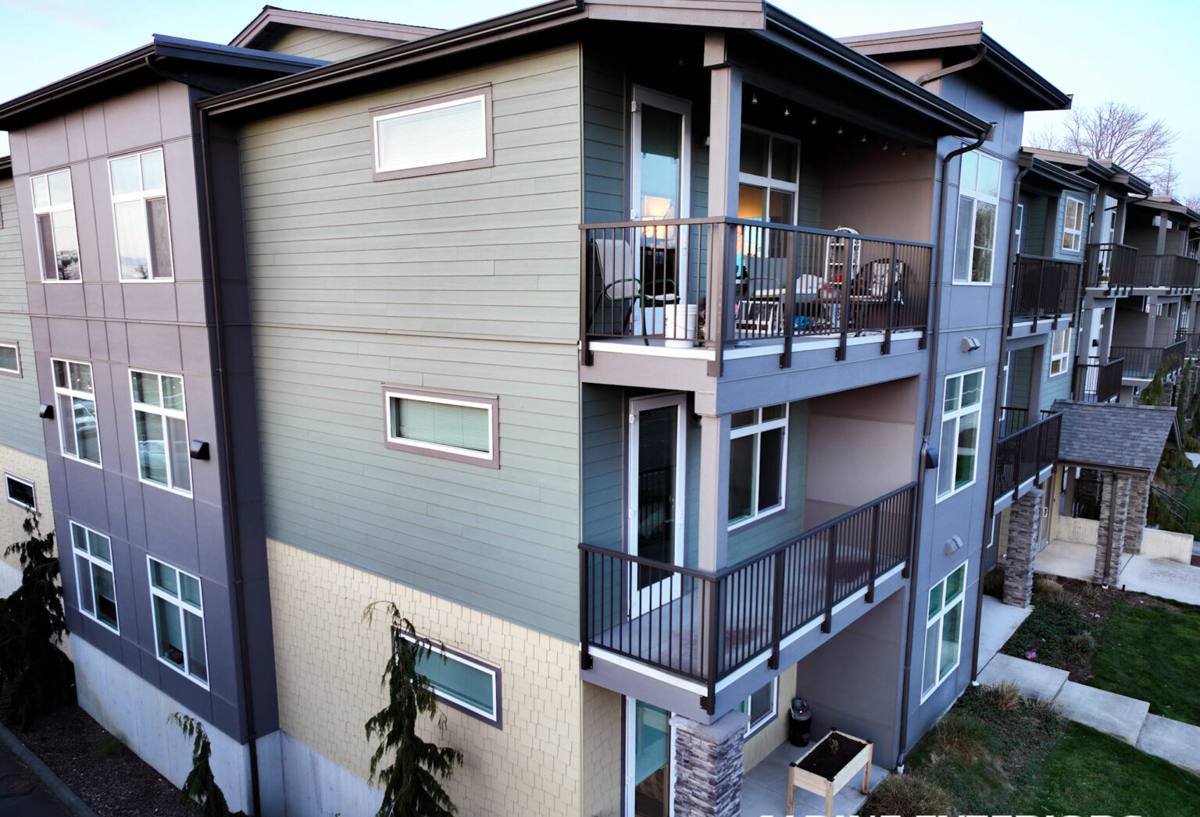
What Salt Air, Rain, and Moss Actually Do to Siding
Salt Air
Airborne salt is corrosive to exposed metal fasteners, flashing, and trim, and it accelerates the breakdown of lower-grade paint finishes. On homes closer to the water, you'll often see chalking or fading on siding well before it would show up on a similar house set back from the shoreline.
Driving Rain
Wind-driven rain doesn't just wet a wall — it pushes water sideways and upward, testing every seam, joint, and piece of flashing. Siding systems that rely on caulk alone to keep water out, rather than proper flashing and drainage behind the cladding, tend to fail first at these pressure points: window and door trim, butt joints, and anywhere two siding courses meet.
Moss and Prolonged Moisture
Western Washington's moss season is really a moisture season. Shaded, north- and west-facing walls in Skyline can stay damp for days at a stretch. On wood-based products, that sustained moisture is what feeds rot at the bottom edges of boards and behind trim. On any siding, it's what feeds moss, algae, and mildew growth if the surface can't shed water and dry out between storms.
Why Fiber Cement Is the Right Material Here
Fiber cement is cement, sand, and cellulose fiber, pressed and cured into planks and panels. It doesn't rot, it isn't a food source for moss or mold the way wood is, and it holds its shape in wet-dry cycles far better than wood-based or composite products. That combination matters a lot in a marine climate like Skyline's, where the material spends a large part of the year damp.
We install James Hardie fiber cement exclusively — specifically their HZ5 product line, engineered for the wetter, harsher climate zones on the West Coast. We don't install LP SmartSide, vinyl, Cemplank, Allura, or bare cedar or spruce siding, and we're upfront about why: those products each have real strengths, but none of them combine non-combustible construction, factory-cured ColorPlus finish, and a climate-specific engineering standard the way Hardie's HZ5 line does. For a home exposed to salt air and driving rain, that combination isn't a luxury upgrade — it's the difference between a paint job that holds for years and one that starts chalking and peeling within a couple of seasons.
ColorPlus finish is baked on at the factory under controlled conditions, rather than field-applied paint drying in whatever weather shows up that week. That matters directly in Skyline, where a narrow weather window for painting is common, and a rushed field finish is one of the more frequent causes of early siding failure we see on older homes here.
What a Correct Fiber Cement Installation Actually Involves
Fiber cement siding is only as good as the installation behind it. The material itself resists rot and moss, but a poorly installed job can still let water behind the siding, where it damages sheathing and framing that the siding was supposed to protect. A correct job in a climate like Skyline's includes:
- A weather-resistive barrier (house wrap or building paper) installed and lapped correctly, shingle-style, so water drains down and out rather than in
- Proper flashing at every window, door, and roof-to-wall intersection — the points where wind-driven rain finds a way in first
- Correct fastener placement and spacing per the manufacturer's installation instructions, using fasteners rated for the exposure
- Manufacturer-specified gaps at butt joints and trim, caulked with a sealant rated for exterior, high-moisture use — not just run tight and painted over
- Minimum clearance from grade, decks, and roof lines so the bottom edge of the siding never sits in standing water or gets buried in soil or mulch
- Field-cut edges primed or sealed before installation, since a raw cut edge is the one place factory finish protection doesn't already cover
Skip any one of these steps and the siding can still look fine for a year or two before problems show up — which is exactly why a rushed or unfamiliar installer's mistakes are so easy to miss at the time.
Our Process for Skyline Projects
1. On-Site Assessment
We walk the exterior, check the condition of the existing siding and any water damage already present, and look specifically at exposure — which walls take the worst of the wind and rain, and which stay shaded and damp longest.
2. Scope and Product Selection
We spec out the HZ5 Hardie products, profiles, and ColorPlus colors that fit the home, and identify any sheathing or trim repair needed before new siding goes on. Installing over damaged sheathing just locks in a problem — we address it first.
3. Installation
Weather barrier, flashing, and siding go on in sequence, following Hardie's installation specifications for the HZ5 climate zone. We don't shortcut fastener schedules or gap requirements to save time.
4. Final Walkthrough
We check seams, trim, and flashing details before calling the job finished, and go over basic care with the homeowner so small issues get caught early rather than after a winter of neglect.
How Fiber Cement Compares for a Home Like Yours
| Factor | James Hardie Fiber Cement (HZ5) | Vinyl Siding | Cedar / Untreated Wood |
|---|---|---|---|
| Moisture & rot resistance | Does not rot; engineered for wet climates | Won't rot itself, but traps moisture behind it if installed poorly | Vulnerable to rot without diligent maintenance |
| Moss / algae resistance | Doesn't feed organic growth; still needs periodic washing | Doesn't feed growth, but seams and laps can trap moisture | Prone to moss and mildew in shaded, damp conditions |
| Salt air / coastal exposure | Factory finish holds color and integrity well | Can chalk, fade, or become brittle over time | Finish breaks down faster; needs frequent recoating |
| Fire resistance | Non-combustible core material | Combustible | Combustible |
| Finish maintenance | Factory-cured ColorPlus; long repaint intervals | No repainting needed, but color fades over time | Requires regular repainting or restaining |
| Typical lifespan when installed to spec | Decades, backed by a strong transferable warranty | Long-lasting but more prone to cracking/warping over time | Shorter without consistent upkeep |
Upkeep Skyline Homeowners Should Actually Expect
Fiber cement is low-maintenance, not no-maintenance. In a climate like this, a little seasonal attention goes a long way toward protecting the investment:
- Rinse siding down once or twice a year, more often on shaded walls, to keep salt residue and organic buildup from accumulating
- Keep gutters clear so overflow doesn't run down the siding face repeatedly during heavy rain
- Trim back vegetation and keep mulch or soil off the bottom edge of the siding
- Check caulking at trim and butt joints every year or two, and have any cracked or missing sealant replaced before the wet season sets in
- Have a professional look at flashing and seams if you notice any staining, soft spots, or paint bubbling — those are early signs, not cosmetic issues
Why a Crew That Already Works in Skyline Matters
Installation details that matter everywhere matter more here. A crew that regularly works Skyline and the surrounding Anacortes waterfront already knows which walls on a given lot orientation take the worst weather, how much clearance to leave near retaining walls and slopes common in this terrain, and where moss buildup tends to start first on homes exposed to the Strait. That's the kind of judgment that doesn't come from a spec sheet — it comes from doing the work here repeatedly and seeing what holds up and what doesn't over multiple wet seasons.
It also means faster, more informed estimates. We're not guessing at what Skagit County's marine exposure does to a home's exterior — we've seen it directly, on homes not unlike yours.
Get a Straight Answer for Your Home
If your Skyline home's siding is showing early wear, moss buildup that won't quit, or paint that's failing faster than it should, it's worth getting a second set of eyes on it. We'll take a look, tell you honestly what we see, and put together a no-pressure estimate for James Hardie fiber cement siding built for the conditions your home actually faces. Fill out the form below to get started.