 Anacortes
 Siding Repair Built for Skyline's Exposure
Skyline sits close to open water on Fidalgo Island, which means homes here take a steadier beating from the weather than houses just a few miles inland. Salt-laden air moves through the neighborhood off the water, wind-driven rain gets pushed sideways into siding joints and trim, and the long stretch of gray, damp months every year gives moss and algae plenty of time to take hold on north-facing walls and anything shaded by trees. None of that is dramatic on its own, but it adds up. A small gap in caulking or a piece of trim that's lost its seal can turn into a real moisture problem faster here than it would in a drier part of Skagit County.
Siding repair in this kind of environment isn't just about making a wall look right again. It's about restoring the parts of the system that keep water out — flashing, fastening, sealant lines, and drainage paths — so the rest of the wall doesn't quietly start failing behind the surface.
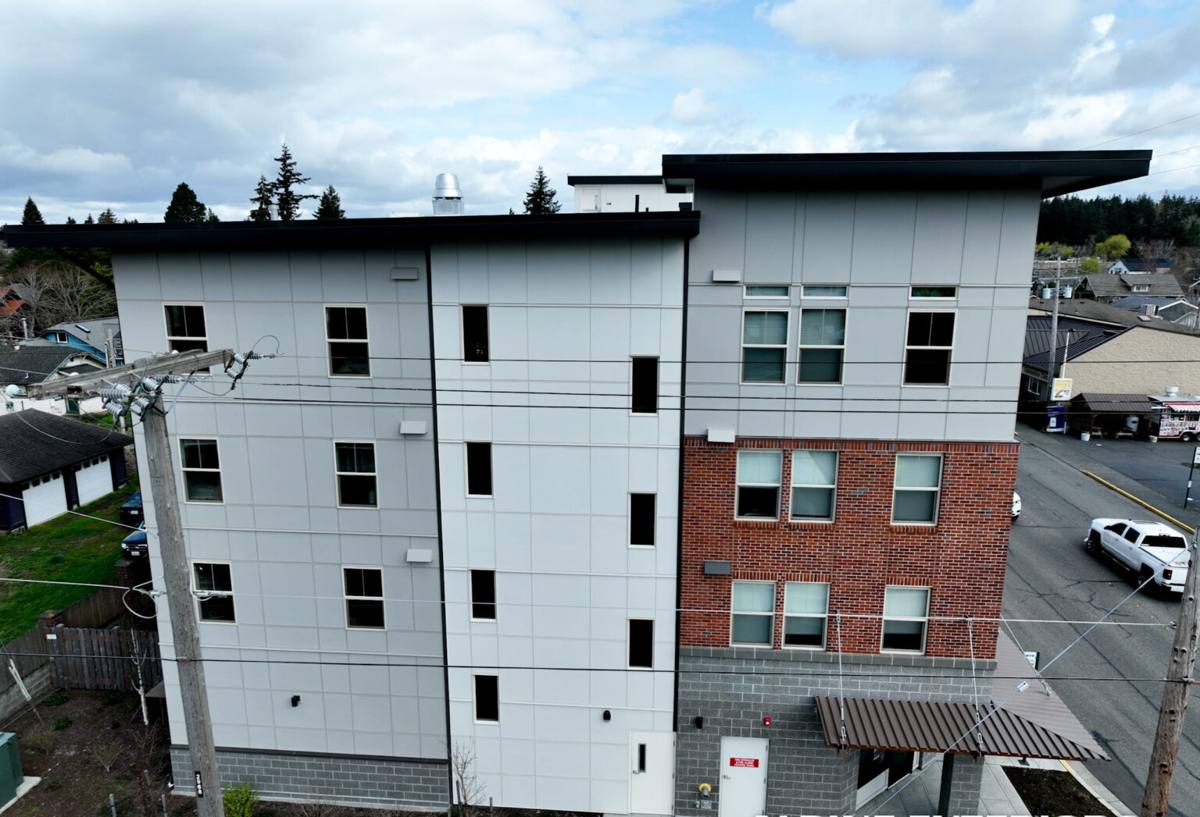
What Skyline's Climate Does to Siding Over Time
Salt Air and Corrosion
Homes closer to the water deal with airborne salt that settles on exterior surfaces and accelerates corrosion of exposed metal — nail heads, trim flashing, and fastener systems in particular. Once fasteners start to corrode, siding panels can loosen, and loose panels let more water in behind them.
Wind-Driven Rain
Rain that falls straight down is far less of a problem than rain that's being pushed horizontally into a wall. Skyline's exposure to wind off the water means siding joints, window and door trim, and butt seams take on more direct water pressure than a sheltered, inland lot would see. Any gap in the water-management details at those points becomes an entry point.
Moss, Algae, and Sustained Moisture
Anacortes' long moss season isn't just a roof issue. Shaded siding, especially on north- and west-facing walls near trees or close plantings, stays damp for extended stretches. That sustained moisture is exactly what moss and algae need to establish, and organic growth on siding holds even more moisture against the surface — which is a problem for any siding material that isn't fully water-resistant at its core.
Signs Your Skyline Home's Siding Needs Attention
Most siding damage doesn't announce itself. It shows up as small, easy-to-miss signals long before there's a visible hole or a soft spot you can push your hand through. Homeowners in Skyline should walk their exterior a couple of times a year and look for:
- Cracked, bubbling, or peeling paint, especially around seams and trim
- Soft or spongy spots when you press on the siding near the bottom of walls
- Visible gaps or separation where siding meets window and door trim
- Streaking, dark staining, or moss/algae growth on shaded sections
- Rust stains bleeding from nail heads or metal flashing
- Warped, bowed, or buckled panels
- A musty smell or discoloration on interior walls that back up to exterior siding
- Missing or loose caulking around penetrations — hose bibs, vents, light fixtures
Catching any of these early is the difference between a targeted repair and a much larger job once water has gotten behind the siding and into the sheathing.
What a Correct Repair Actually Involves
A repair that just patches the visible damage and ignores the cause tends to fail again within a season or two, particularly in an exposure zone like Skyline. A repair done right addresses both the surface and what's underneath it.
Diagnosis Before Repair
Before any siding comes off, the damaged area and the surrounding sections need to be checked for how far moisture has traveled. Damage that looks like it's confined to one panel often extends further once you pull it back — especially around window and door openings, where flashing failures are the most common root cause.
Fixing the Water Path, Not Just the Panel
If the underlying issue is a flashing gap, a failed sealant joint, or a drainage path that's been blocked, replacing the siding panel alone won't solve anything. Correct repair work re-establishes proper flashing and drainage details before new siding goes back on.
Matching Materials and Finish
Repairs should match the existing siding in profile, exposure, and finish as closely as possible. With factory-finished fiber cement, that means matching both the plank profile and the color system so the repaired section doesn't stand out as an obvious patch.
Proper Fastening for the Exposure
Given the corrosion risk from salt air, fastener choice matters. Repairs in Skyline should use fastening hardware rated for the exposure, set at the manufacturer's specified pattern — not just whatever's fastest to install.
Repair or Replace? What Actually Drives That Decision
Not every siding problem in Skyline calls for a full re-side, and not every problem is a quick patch either. The right call depends on how widespread the damage is, what's causing it, and what condition the rest of the siding is in.
| Factor | Favors Repair | Favors Replacement |
|---|---|---|
| Extent of damage | Isolated to one or two areas | Recurring across multiple walls |
| Cause | Single identifiable source (flashing, impact damage) | Systemic issue (original install defects, widespread moisture intrusion) |
| Age and material of existing siding | Newer siding, or material still performing well | Original material at or past its service life |
| Underlying sheathing condition | Sheathing intact | Sheathing showing rot or soft spots in multiple areas |
| Cost over time | Lower upfront cost, addresses immediate issue | Higher upfront cost, resets the whole exterior's service life |
Repair costs vary widely depending on how much siding needs to come off, whether trim and flashing need rework, and how much matching is required — it's honestly not something we'll ballpark without seeing the wall. What we can say is that a proper diagnosis up front is what keeps a repair from turning into a repeat visit.
Why We Repair With James Hardie Fiber Cement
When a repair calls for new siding material — whether it's a patch, a section replacement, or a partial re-side of a wall — we use James Hardie fiber cement, and only James Hardie. That's a deliberate standard, not a default.
Fiber cement doesn't absorb and swell with moisture the way wood-based products can, which matters directly in an environment where sustained dampness and moss growth are part of the yearly cycle. It's non-combustible, which is a real consideration given the wildfire smoke and dry-season fire risk the broader Pacific Northwest has seen in recent years. And Hardie's ColorPlus factory finish is baked on and warrantied against fading and peeling, which makes matching a repaired section to existing, weathered siding more consistent than trying to match a field-painted product.
We also work with Hardie's HZ product lines, which are engineered for specific climate zones — a relevant detail in a marine, moisture-heavy environment like Skagit County's coastline. Combined with a strong transferable warranty, that's why fiber cement repairs on a Hardie-sided home hold up, and why we don't mix in vinyl, LP SmartSide, or other alternative claddings when we're asked to patch or extend an existing wall.
Our Repair Process in Skyline
1. On-Site Inspection
We look at the damaged area and the surrounding siding, check trim and flashing details, and identify whether the cause is isolated or part of a broader pattern.
2. Moisture and Substrate Check
Where there's any sign of water intrusion, we check the condition of the sheathing behind the siding before quoting the repair, so there are no surprises once the wall is opened up.
3. Scope and Materials
We spec out what's actually needed — panel replacement, trim rework, flashing correction, resealing — and match materials to the existing siding as closely as the product line allows.
4. Repair and Weatherproofing
We fix the water-management details first, then install and finish the new siding to match, using fastening and sealant appropriate for Skyline's exposure.
5. Walkthrough
We go over the finished repair with the homeowner, including simple maintenance steps that help the area hold up longer given the local climate.
Why a Crew That Already Works in Skyline Makes a Difference
Siding repair isn't uniform across Skagit County — a wall exposure that barely matters in a sheltered, tree-lined lot inland can be a chronic problem spot on a home closer to the water. A contractor who's worked in Skyline specifically already understands which wall orientations tend to take the worst of the wind-driven rain, where moss buildup is most persistent, and how salt exposure affects fastener choice and flashing materials over time.
That local pattern recognition shortens the diagnosis phase and reduces the chance of a repair that looks fine for a year and then fails again in the same spot. It also means realistic expectations from the start — about what a repair can and can't fix, and when a section of siding has genuinely reached the end of its useful life.
Keeping Repaired Siding Performing Long-Term
Once a repair is done, a little routine attention keeps it — and the rest of the siding — performing the way it should:
- Rinse off salt residue and grime periodically, especially on walls facing open water
- Trim back vegetation and tree cover to cut down on shaded, damp wall sections
- Re-check caulking around trim, windows, and penetrations every year or two
- Address moss or algae growth promptly rather than letting it spread
- Walk the exterior after major wind or storm events to catch new damage early
If you're noticing signs of wear on your Skyline home's siding, or you just want a second opinion on whether a section needs repair or replacement, we're happy to take a look. Reach out for a free, no-pressure estimate using the form below.