 Anacortes
 Windows in Skyline: What This Location Demands
Skyline sits close to the water on Anacortes's west side, which means homes here catch weather that inland Skagit County properties don't see nearly as often. Wind off Rosario Strait and the surrounding waterways carries salt-laden moisture that settles on glass, vinyl, and wood trim year-round. Add the long, wet Pacific Northwest winter and the moss and algae growth that comes with it, and windows in this neighborhood work harder than windows almost anywhere else in the county.
That doesn't mean Skyline needs exotic products. It means the details that get skipped elsewhere — flashing, sealant selection, frame material, and drainage — matter more here and can't be treated as optional. A window replacement done right in Skyline should hold up to a decade or more of that exposure without callbacks for fogged glass, sticking sashes, or water staining below the sill.
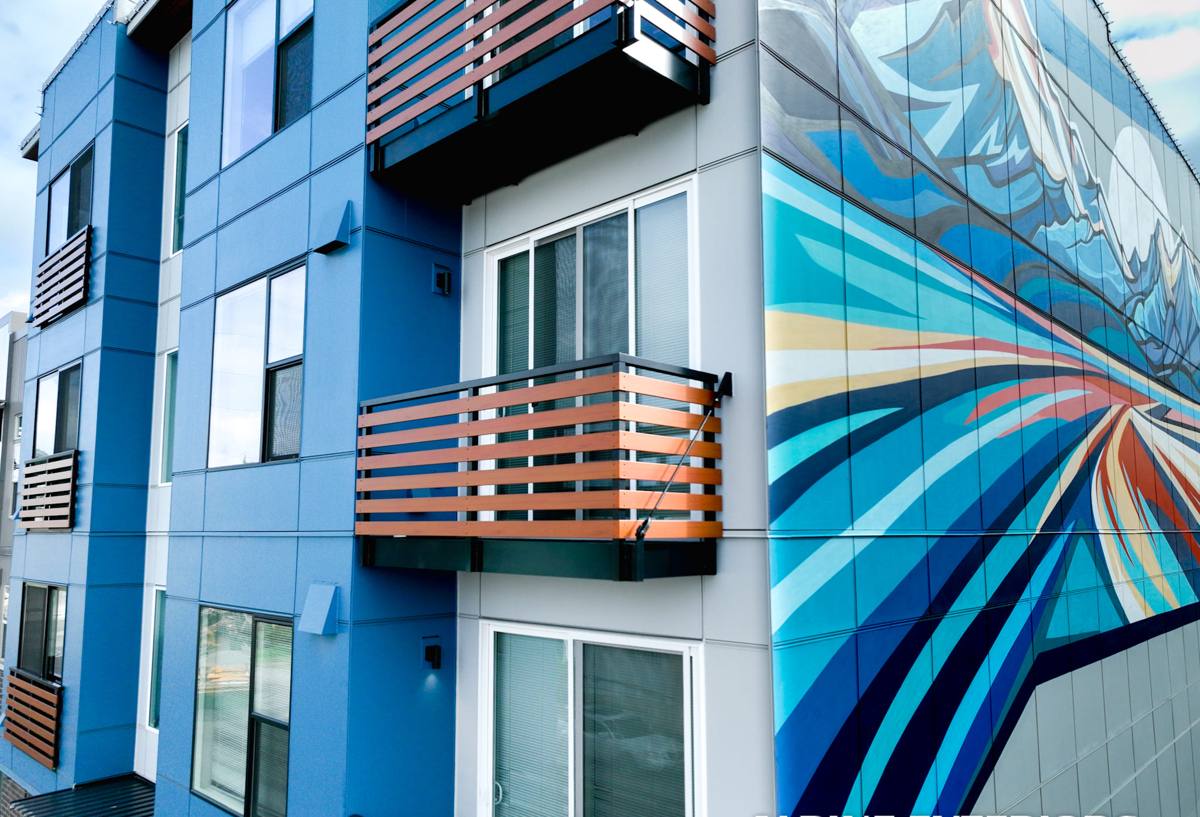
How Salt Air, Driving Rain, and Moss Season Take Their Toll
Salt Air and Metal Components
Salt is corrosive to unprotected metal. Window hardware, screen frames, and older aluminum sashes are the first things to show it — pitting, white oxidation, and stiff or seized mechanisms. Vinyl and fiberglass frames resist this far better than bare aluminum, which is one reason we steer Skyline homeowners away from uncoated aluminum replacement windows regardless of the up-front price.
Driving Rain and Wind-Driven Moisture
Anacortes gets rain that doesn't just fall — it's pushed sideways by wind coming off the water. That kind of exposure finds any gap in flashing or sealant that a calmer climate would never expose. A window that's perfectly watertight in a still rain can still leak in a driving one if the head flashing, sill pan, and side flanges weren't installed as a system.
Moss and Algae Season
Skagit County's wet season runs long, and shaded or north-facing walls in Skyline stay damp for extended stretches. That moisture supports moss and algae growth on siding, trim, and window sills, which traps additional water against the frame if it's not cleared. Older wood-clad windows are especially vulnerable — trapped moisture under paint or caulk is what eventually rots a sill or jamb from the inside out, often well before it's visible from outside.
Signs a Skyline Home's Windows Need Attention
Because moisture damage in this environment often starts hidden, it helps to know what to check for before a small problem becomes a full frame replacement.
- Soft or spongy wood at the sill or lower corners of the frame
- Fogging or a visible haze between panes of double-glazed glass — a sign the seal has failed
- Windows that are noticeably harder to open, close, or lock than they used to be
- Visible gaps between the frame and siding, or cracked and shrunken exterior caulk
- Persistent condensation on the inside of the glass during cold, wet weeks
- Drafts you can feel with a hand near the frame edge on a windy day
- Discoloration or staining on interior drywall or trim below a window
- Chalky white residue or pitting on aluminum-framed windows or screens
Any one of these on its own might just need minor repair or re-caulking. Several at once, or wood softness in particular, usually means it's time to talk about replacement before the damage spreads into the surrounding wall framing.
What a Correct Window Replacement Involves
A window replacement is more than swapping one unit for another in the same opening. Done properly, especially in a marine environment like Skyline, it involves several steps that don't show up in a quick sales pitch:
Opening Inspection
Before a new window goes in, the opening gets checked for hidden rot, soft sheathing, or prior water intrusion. Installing a new window over damaged framing just hides the problem behind new trim — it doesn't fix it.
Flashing and Drainage Path
Proper flashing directs water that gets behind the siding back out, not into the wall cavity. This includes a sloped sill pan, head flashing that overlaps the layer above it, and side flanges integrated with the home's water-resistive barrier — not just caulked on top of it.
Sealant Selection and Application
Not all exterior sealants perform the same in salt-air, high-UV, high-moisture conditions. We use products rated for exterior weatherization and apply them at the joints that actually need a seal — leaving the designed weep and drainage points open so water that does get behind the frame can escape rather than pool.
Insulation and Air Sealing
Gaps around the new frame get filled with low-expansion foam or backer rod and sealant, not stuffed with fiberglass insulation alone, which doesn't stop air movement or moisture on its own.
Frame Material and Glass Choices for This Climate
Material choice matters more in Skyline than in a drier, inland part of the county. Here's how the common options hold up against salt air, moisture, and the maintenance homeowners actually want to keep up with:
| Frame Material | Salt Air / Moisture Resistance | Maintenance | Typical Fit for Skyline |
|---|---|---|---|
| Vinyl | Strong — won't corrode or rot | Low; occasional cleaning | Good all-around choice for most homes |
| Fiberglass | Very strong; dimensionally stable in temperature swings | Low | Best for high-exposure walls facing the water or prevailing wind |
| Wood (clad exterior) | Moderate; interior wood needs the exterior cladding intact | Higher; watch seals and cladding joints | Works where interior wood look is a priority, with realistic upkeep expectations |
| Bare Aluminum | Poor; prone to pitting and corrosion near saltwater | Higher over time | Not recommended for this location |
On glass, we typically recommend dual-pane, Low-E coated units for this area. The coating helps with year-round comfort and condensation control, which matters given how much of the year Skagit County spends damp and cool. Argon-filled units add a modest efficiency bump but aren't essential — it's a reasonable upgrade, not a requirement, and homeowners should weigh it against the rest of the budget rather than treat it as mandatory.
Our Process, Start to Finish
- On-site assessment — we look at each window opening individually, not just the glass. Frame condition, flashing, and siding interface all get checked.
- Honest scope and estimate — we tell you which windows genuinely need replacement now, which can wait, and which just need resealing or minor repair.
- Material selection — we walk through frame and glass options against your budget and how exposed that particular wall or room is.
- Removal and opening prep — old units come out carefully, and any hidden rot or damage found is addressed before the new window goes in, not covered over.
- Installation with proper flashing and sealing — set to manufacturer specifications and adapted for wind-driven rain exposure specific to the site.
- Final check and cleanup — operation, seal, and trim are checked before we consider the job done.
Cost Factors Homeowners Should Understand
Every home's scope is different, but the main variables that move price are consistent. Rather than quote a number that won't hold up across different homes, here's what actually drives the cost of a Skyline window project:
| Factor | Why It Matters |
|---|---|
| Frame material | Vinyl is generally the most budget-friendly; fiberglass and clad wood cost more up front but may cost less in long-term maintenance |
| Number of openings and sizes | Larger and custom-sized windows cost more than standard stock sizes |
| Hidden damage found during removal | Rotted sheathing or framing behind an old window adds repair scope not visible from a quick outside look |
| Full-frame vs. insert replacement | Insert replacement (new window into the existing frame) is typically less costly than full-frame tear-out, but isn't always the right call if the existing frame is compromised |
| Glass package | Low-E coatings and argon fill add incremental cost for incremental performance gain |
We'll always tell you plainly if we think an insert replacement is sufficient versus if the situation calls for a full-frame job — the latter costs more, and we don't recommend it unless the existing frame or surrounding wall actually needs it.
Permits and Timing Considerations
Window replacement in the City of Anacortes may require a permit depending on scope — particularly for full-frame replacements that touch structural framing or change window size. We handle that conversation with you up front rather than leaving it as a surprise mid-project. On timing, we'd rather schedule Skyline jobs around realistic weather windows than rush an install during an active storm system; a window opening is at its most vulnerable to moisture intrusion during the install itself, and a day or two of patience up front avoids problems later.
Why a Crew That Already Works Skyline Matters
A contractor who works this neighborhood regularly already knows which walls take the worst of the wind and salt exposure, which older window brands in this area tend to fail early, and how the moss and moisture pattern in this pocket of Anacortes differs from a drier inland job. That familiarity shows up in small decisions — where to add extra flashing attention, which sealant holds up best against this specific exposure, when insert replacement is enough versus when it isn't. It's the difference between a window that's simply installed and one that's installed for what this location actually throws at it.
If you're seeing early signs of window trouble in your Skyline home, or you're just ready to stop fighting drafts and condensation through another wet Skagit County winter, we're happy to take a look. Reach out for a free, no-pressure estimate using the form below — we'll walk your windows with you and give you a straight read on what's needed and what can wait.