 Anacortes
 Building Decks for Similk Beach's Particular Climate
Similk Beach sits close enough to the water that salt air, wind-driven rain, and long stretches of shade turn an ordinary deck project into something that needs real planning. Homes here face conditions that inland Skagit County properties simply don't deal with in the same way — moisture that lingers in wood fiber, hardware that corrodes faster than the warranty card suggests, and moss that takes hold anywhere sunlight doesn't reach for more than a day or two. A deck built with generic techniques might look fine the first summer. By year three, fasteners are bleeding rust streaks, ledger boards are trapping water against the house, and the north-facing boards are growing a green film that never fully dries out.
We've worked on enough decks in this part of Anacortes to know which details actually matter here versus which ones are just upsells. This page walks through what a Similk Beach deck needs to hold up, what a correct build looks like from the ground up, and how we run the job from first look to final walkthrough.
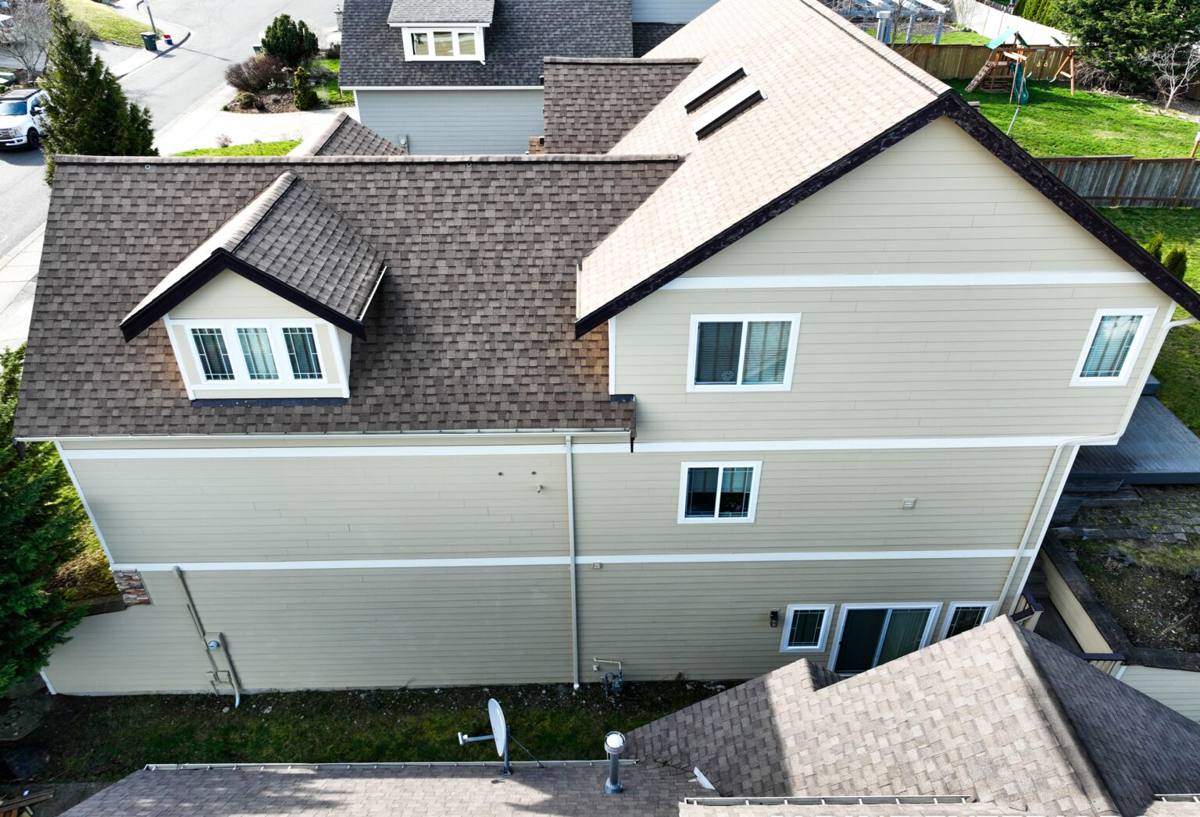
What Similk Beach Homes Actually Need From a Deck
Salt Air and Corrosion
Proximity to saltwater accelerates corrosion on anything metal — nails, screws, joist hangers, post bases, railing brackets. Standard hot-dip galvanized fasteners can hold up reasonably well inland, but closer to the water they start showing rust bleed and pitting years before they should. We spec stainless steel or marine-grade coated fasteners and hardware for any deck within reach of salt spray, because replacing corroded hardware later means tearing into finished decking to get at it.
Driving Rain and Water Management
Rain here doesn't just fall straight down — wind pushes it sideways, up under boards, and against the house wall where the deck ties in. That means flashing at the ledger board isn't optional trim work, it's the single most important detail standing between your deck and a rotted rim joist behind your siding. Proper slope on the decking surface (roughly a quarter inch of fall per foot, away from the house) and gaps sized correctly between boards matter more here than in a drier climate, because standing water that would evaporate in a day inland can sit for a week under a Skagit County overcast sky.
Moss Season
Anacortes gets a real moss season, and shaded decks — especially those under tree cover or on the north side of a house — grow it fast. Moss holds moisture against the board surface, which accelerates rot in wood decking and can leave slick, slippery residue on composite and PVC surfaces alike. Board spacing, ventilation underneath the deck, and material choice all affect how bad this gets and how much upkeep you'll be doing every fall.
Choosing the Right Decking Material
There's no single "best" material — it depends on how much maintenance you want to do, your budget, and how exposed the deck is to salt air and shade. Here's an honest comparison based on how these materials actually behave in a Similk Beach setting:
| Material | Salt Air Performance | Moss/Moisture Resistance | Maintenance | Typical Lifespan |
|---|---|---|---|---|
| Pressure-treated wood | Good with stainless fasteners | Needs annual cleaning/sealing to resist moss and rot | High — sealing every 1-2 years | 15-20 years with upkeep |
| Cedar | Good, naturally rot-resistant | Still needs sealing in shaded spots | Moderate to high | 15-20 years with upkeep |
| Composite decking | Excellent — no corrosion risk in the board itself | Resists rot but can stay slick under moss film | Low — periodic washing | 25-30 years |
| PVC decking | Excellent | Best moisture resistance of the group | Low | 25-30+ years |
For homes closer to the water or under tree canopy, we generally steer clients toward composite or PVC for the decking surface itself, paired with stainless or coated hardware regardless of material. That's not because wood is a bad product — it's that wood asks for a level of annual upkeep (cleaning, sealing, moss treatment) that a lot of homeowners underestimate when they're comparing sticker prices. If you want the look and feel of real wood and are willing to keep up with it, cedar remains a solid honest choice; we'll tell you straight what that commitment looks like.
What a Correct Deck Build Involves Here
Ledger Attachment and Flashing
The ledger board connection to your house is the highest-consequence detail on the whole project. Done wrong, it's the number one source of hidden rot behind siding. We use proper flashing (metal or high-quality membrane flashing tape) integrated correctly with your home's water-resistive barrier, not just caulk over a lag-bolted board.
Footings Sized for Skagit County Soil and Frost
Footings need to be dug to the correct depth and sized for the loads involved, accounting for local soil conditions. This isn't a place to cut corners with undersized concrete piers — it's the foundation the whole structure sits on.
Joist Spacing and Airflow Underneath
Tighter joist spacing than the material minimum gives a stiffer deck feel and reduces long-term sag. Just as important near the water: keeping airflow moving underneath the deck structure so moisture doesn't sit trapped against joists and beams, which is one of the biggest contributors to hidden rot in shaded, low-clearance decks.
Fastener and Hardware Selection
Every hanger, screw, and bracket gets specified for the exposure level of that specific deck — a fully exposed deck facing open water gets treated differently than a covered deck tucked against the house.
Railings and Code Compliance
Railing height, baluster spacing, and guard requirements follow current building code, and any deck requiring a permit gets one — inspections exist to catch the structural mistakes that don't show up until something fails.
Our Process, Start to Finish
- On-site assessment — we look at sun exposure, wind/water exposure, existing structure (if it's a rebuild), and any drainage issues around the deck footprint.
- Design and material walkthrough — honest pros/cons for materials based on your specific site conditions, not a generic pitch.
- Permitting — we handle the permit application and schedule required inspections where applicable.
- Demolition (if replacing an existing deck) — including a check on the ledger area and framing for hidden moisture damage before we build over it.
- Framing and footings — built to spec for your site's soil and load requirements.
- Decking, railing, and finish work — installed with fastener spacing and drainage detail appropriate to your deck's exposure.
- Final walkthrough — we go over care and maintenance specific to the material you chose, including moss-season upkeep.
Maintenance Checklist for Similk Beach Deck Owners
- Sweep debris and standing leaves off the deck surface regularly, especially in fall — trapped organic matter feeds moss and holds moisture.
- Rinse salt residue off railings and hardware periodically if your deck faces open water or gets direct salt spray.
- Check for moss buildup each fall and treat promptly — don't wait until it's slick and established.
- Inspect fastener heads and hardware annually for early rust bleed, which signals it's time to address corrosion before it spreads.
- Keep gutters and downspouts near the deck clear so runoff isn't dumping extra water onto or under the structure.
- For wood decks, plan on cleaning and sealing on the schedule your material actually requires — not "whenever it looks bad."
- Confirm underdeck airflow isn't blocked by stored items, skirting without vents, or overgrown landscaping.
Why Hire a Crew That Already Works Similk Beach
A contractor who's built decks elsewhere in Washington but hasn't worked this specific stretch of coastline can still do competent framing — but they may not think twice about fastener grade, ledger flashing sequence for wind-driven rain, or how much shade a given lot actually gets across the seasons. Those aren't dramatic differences on paper, but they're the difference between a deck that needs real attention at year five and one that's still solid at year twenty. We price and build decks in this area regularly enough to know which corners actually matter here and which are just marketing.
We're also straightforward about trade-offs. If a lower-maintenance material costs more up front, we'll tell you that plainly and let you decide — we're not going to talk you into the cheapest option and let you find out about the upkeep later, and we're not going to upsell hardware you don't need on a fully covered deck that never sees salt spray.
Get a Straightforward Estimate
If you're planning a new deck or replacing one that's showing its age near Similk Beach, we're happy to take a look and give you a clear, no-pressure estimate — including an honest read on which materials make sense for your specific site. Use the form below to get started.