 Anacortes
 Fidalgo Island's Climate Is Harder on Siding Than People Expect
Fidalgo Island sits surrounded by saltwater — Rosario Strait, Guemes Channel, and Padilla Bay all wrap around the land Anacortes is built on. That means almost every home on the island gets some degree of marine exposure, even homes set back from the water. Salt-laden air travels on the wind and settles on siding, trim, and fasteners day after day, year after year. It is a slow process, but it is a relentless one.
Add in Skagit County's driving rain — often coming sideways off the water during fall and winter storms — and you have two forces working against your siding at once: moisture trying to get behind the boards, and salt working on whatever finish and hardware is holding those boards together. Then there's the moss. Fidalgo Island's mix of shaded, tree-lined lots and damp, mild winters gives moss and algae a long season to take hold, especially on north-facing walls and anywhere tree cover blocks the sun and airflow.
None of this means siding on Fidalgo Island is doomed to fail early. It means siding here has to be installed and repaired correctly the first time, with materials and details chosen for this specific environment — not generic advice that might work fine forty miles inland.
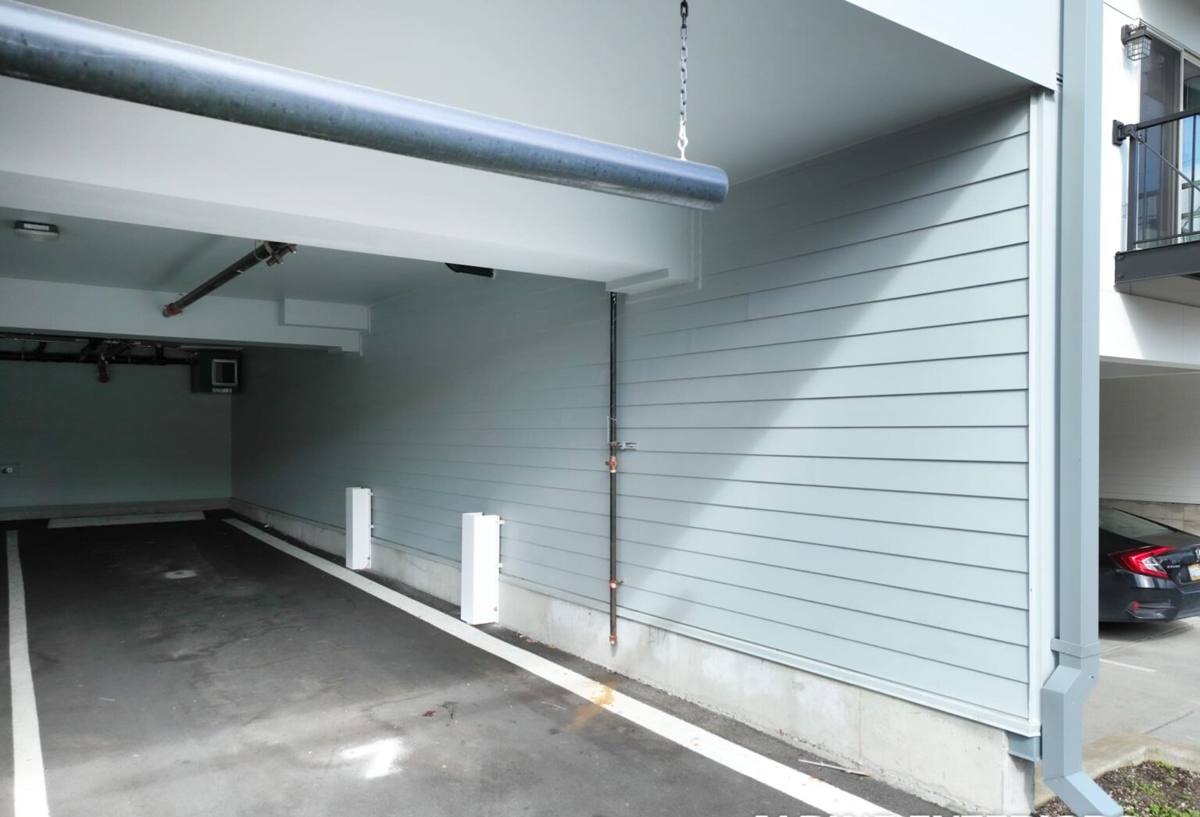
The Repair Issues We See Most Often on Fidalgo Island Homes
When we're called out to look at siding on the island, the damage tends to fall into a handful of recurring categories. Recognizing them early is the difference between a straightforward repair and a much bigger project.
- Moisture behind the siding at butt joints, corners, and unflashed penetrations like hose bibs, vents, and exterior light fixtures
- Corroded or rusting fasteners and trim flashing, especially on waterfront and bluff-facing homes with the most direct salt exposure
- Moss and algae growth on shaded elevations, under eaves, and on lots with heavy tree cover
- Paint and finish failure — blistering, chalking, or peeling where a coating just couldn't keep up with the salt-and-UV cycle
- Cracked, warped, or delaminating boards, common on older wood or engineered wood products that have taken on repeated moisture
- Failed caulk joints around trim, windows, and doors after years of wind-driven rain working them loose
Individually, most of these look minor from the ground. The problem is what's happening behind the siding while the visible symptom is still small.
A Real Repair Fixes the Cause — Not Just the Symptom
There's a real difference between patching what you can see and actually repairing what's wrong. On an island climate like Fidalgo's, that difference matters more than usual, because moisture that gets behind siding here doesn't dry out quickly — the air itself stays damp for long stretches of the year.
| Approach | Quick Patch | Correct Repair |
|---|---|---|
| What gets inspected | Only the visibly damaged board | Damaged board plus surrounding fasteners, flashing, and house wrap |
| Hidden moisture | Often left in place, painted or caulked over | Checked with a moisture meter; wet sheathing addressed before re-siding |
| Fasteners and flashing | Reused if they "look okay" | Replaced if corroded or undersized for the exposure |
| Material match | Closest available product, gaps in profile or reveal | Matched profile, reveal, and color for a seamless repair |
| Expected result | Looks fixed for a season or two | Addresses the actual cause, holds up long-term |
A patch that only covers a symptom tends to fail again within a year or two, often in the same spot, because the water intrusion path was never closed off. A correct repair traces the problem back to its source — a gap in the weather-resistive barrier, a piece of trim flashing installed backward, a fastener that's worked loose — and fixes that first.
Why This Matters More on a Windward Wall
Homes on Fidalgo Island with exposure toward Rosario Strait or open water take rain at an angle most of the year. On those walls, a repair that doesn't account for wind-driven rain — proper lap orientation, correctly sized flashing, sealed penetrations — will fail faster than the same repair on a sheltered, inland-facing wall. We treat exposed elevations differently for that reason.
Repair or Replace? How We Make That Call
Not every siding problem on Fidalgo Island needs a full replacement, and not every problem should be patched. We look at a handful of factors together before recommending either direction.
| Factor | Leans Toward Repair | Leans Toward Replacement |
|---|---|---|
| Extent of damage | Isolated to one or two areas | Spread across multiple elevations |
| Age and condition of existing siding | Otherwise sound, recently installed or maintained | Original siding is decades old or already failing broadly |
| Moisture behind the siding | Localized, sheathing still sound | Widespread rot or repeated moisture cycling |
| Repair history | First repair in this area | Same spots have been patched more than once before |
| Exposure | Sheltered or inland-facing wall | Waterfront or bluff-facing wall with heavy salt/rain exposure |
Homeowners on Fidalgo Island's more exposed lots — waterfront, bluff, or open-water-facing properties — tend to see us recommend replacement sooner than someone on a sheltered inland lot with the same amount of visible damage. It's not about upselling; it's that the same repair simply won't last as long in a harsher spot, and we'd rather tell you that upfront than have you pay for the same fix twice.
Our Siding Repair Process
Every repair starts with a real inspection, not a guess from the driveway. Here's what that looks like on a typical Fidalgo Island job:
- On-site inspection of the damaged area and the surrounding siding, including a moisture reading where intrusion is suspected
- Tracing the cause — flashing, caulk failure, grading, a missing kick-out, or a gap in the weather-resistive barrier
- Scope and estimate that spells out what's being repaired and why, before any work starts
- Sourcing matching material, color-matched where possible so the repair doesn't stand out
- Removing affected siding and addressing anything found behind it — rotted sheathing, damaged house wrap, or corroded fasteners
- Installing the repair with correct fastening, flashing, and gap details for the wall's actual exposure
- Cleanup and haul-away of all removed material
We don't consider a repair finished until we've confirmed the cause is actually resolved — not just covered.
Why We Repair and Replace With James Hardie Fiber Cement
Our company installs James Hardie fiber cement siding exclusively, and that standard applies to repair work too. When a repair section needs new material, or when a homeowner decides a full replacement makes more sense, we spec Hardie for a few reasons that matter specifically in a place like Fidalgo Island:
- It doesn't rot. Fiber cement is engineered from cement, sand, and cellulose fiber — it doesn't absorb and hold moisture the way wood or wood-based products can, which matters in a climate where damp air lingers.
- The ColorPlus factory finish is baked on under controlled conditions, which holds up better against salt air and UV exposure over time than a field-applied paint job, and it comes with its own finish warranty.
- It's non-combustible, which is a real advantage during Washington's dry summer wildfire-smoke stretches, even in a generally wet region.
- HZ5 product lines are engineered for wet climates like the Pacific Northwest, with moisture and freeze-thaw performance built into the product rather than added on.
We still repair whatever siding is currently on your home when that's the right call for your budget and situation. But when new material goes up, it's Hardie — because we'd rather stand behind a repair that's built to outlast the next one.
Why Hiring a Crew That Already Works Fidalgo Island Matters
Siding installation isn't identical everywhere. A crew that mostly works inland, sheltered neighborhoods can do fine work there and still get caught off guard by an island wall taking direct wind-driven rain, or underestimate how fast moss reclaims a shaded north elevation here. Working Fidalgo Island regularly means we've already seen how the salt air, the rain patterns, and the moss season actually play out on real homes across the island — waterfront and inland, exposed and sheltered.
That local experience shows up in small decisions that add up: which walls get extra attention to flashing details, where moss is likely to come back if the surrounding trees aren't accounted for, and how much margin to build into fastener and trim choices for a property with heavier salt exposure. It also means straightforward familiarity with Anacortes and Skagit County permitting, so a repair or replacement project doesn't stall on paperwork.
Signs You Need a Siding Repair Now
Catching a problem early on Fidalgo Island usually means a smaller, cheaper repair. Waiting through another wet season usually doesn't make it better. Watch for:
- Soft or spongy spots when you press on the siding
- Visible gaps or separation at butt joints and corners
- Moss or algae buildup that returns quickly after cleaning
- Peeling, bubbling, or chalking paint or finish
- Rust streaks running down from nail heads or trim
- A musty smell or staining on interior walls near an exterior wall
- Warped, cracked, or missing boards
- Caulk that's cracked, shrunk, or pulled away from trim edges
If you're noticing any of these, it's worth having someone look before the next round of fall storms rolls in off the strait.
Get a Straightforward Look at What Your Siding Needs
If your Fidalgo Island home has siding damage — whether it's a single problem spot or something spread across a few walls — we'll come take a look and tell you honestly what we find, including whether a targeted repair makes sense or whether you're better off planning for replacement. There's no pressure and no cost to get that assessment. Reach out for a free estimate using the form below.