 Anacortes
 Board & Batten in a Waterfront Anacortes Neighborhood
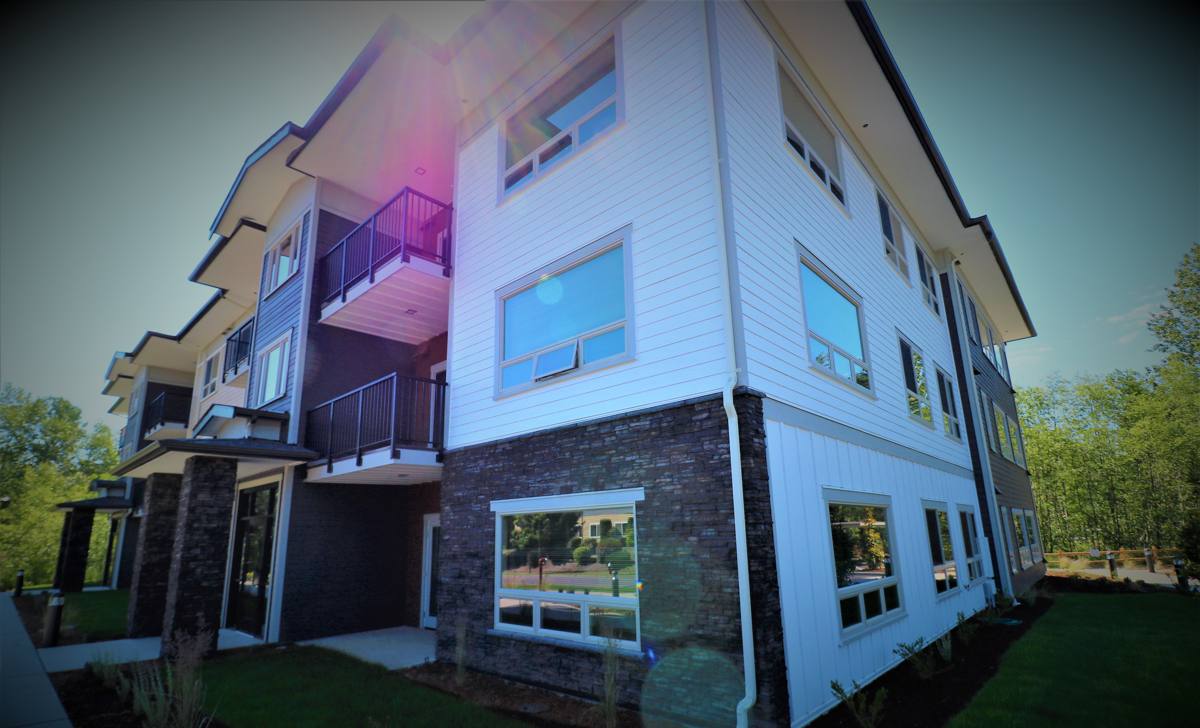
Flounder Bay sits close enough to the water that the exterior of a home does double duty: it has to look good and it has to shrug off conditions that inland Skagit County homes rarely deal with day in and day out. Board and batten siding — the vertical wide-board-and-narrow-strip look that's become popular on both new builds and remodels around Anacortes — is a strong fit for this kind of setting. It reads as clean, tailored, and a little more modern than standard lap siding, and it holds up visually on the boxier, contemporary home styles that are common near the marina and along the bay.
But board and batten isn't just an aesthetic choice. The vertical seams, the number of joints, and the way battens overlay the panel underneath all change how water and wind interact with the wall. Done right for this specific location, it's a durable, low-drama siding system. Done generically — using whatever spec works fine forty miles inland — it becomes a maintenance headache within a few years.
What Salt Air, Driving Rain, and Moss Season Actually Do to a Wall
Homes near Flounder Bay face three climate stressors that matter more here than almost anywhere else in Anacortes:
- Salt-laden air off the bay accelerates corrosion on exposed fasteners, uncoated trim nails, and lower-grade metal flashing — problems that show up as rust streaking and failed fastener heads years before they would inland.
- Driving, wind-blown rain off the water hits walls at an angle instead of falling straight down, which pushes water sideways under battens and around window and door trim if the flashing and caulking details weren't built for it.
- A long moss and algae season, typical of the whole Skagit County coastline, keeps north-facing and shaded walls damp for extended stretches, which is exactly the condition organic growth needs to take hold and exactly the condition that punishes any siding material that absorbs moisture.
None of these are exotic problems — they're just more constant and more severe here than on a typical inland Anacortes lot. A board and batten installation built for Flounder Bay needs to assume all three are happening simultaneously, most of the year.
Why the Substrate Behind the Look Matters More Than the Look
Board and batten is a style, not a material — you can build it out of primed wood, engineered wood (LP SmartSide), vinyl, or fiber cement. We install only James Hardie fiber cement, and in a location like Flounder Bay the reasons matter more than they would in a drier, more sheltered part of town.
| Material | How it handles salt air & driving rain | How it handles moss season |
|---|---|---|
| Primed wood / cedar | Swells and shrinks with moisture cycling; exposed end grain and joints are vulnerable to wind-driven rain intrusion | Absorbs moisture readily, which feeds sustained moss and mildew growth on shaded faces |
| LP SmartSide (engineered wood) | Better than raw wood but still wood-based; edges and cut ends need diligent sealing or they can swell over time | Surface can support growth if coatings wear thin or maintenance lapses |
| Vinyl | Won't rot, but panels can warp or rattle loose in sustained wind off the water, and seams aren't rigid | Doesn't feed growth itself, but growth sits on the surface and needs regular washing to keep the look clean |
| James Hardie fiber cement | Non-combustible, dimensionally stable, engineered HZ5 formulation for the Pacific Northwest's wet climate; factory-sealed edges resist moisture wicking | Doesn't provide an organic food source for moss the way wood-based products can, and the ColorPlus finish holds up to regular gentle washing |
This is exactly why we standardized on James Hardie rather than offering all of the above. We're not saying wood, engineered wood, or vinyl board and batten can't be installed correctly — they can, and plenty of contractors do good work with them. Our position is that for a marine-influenced location like Flounder Bay, the maintenance burden and long-term moisture risk of those alternatives isn't worth it when a better-suited product exists.
What "HZ5" Actually Means for This Location
James Hardie engineers different product formulations for different climate zones. The HZ5 line is built for regions with more moisture exposure and freeze-thaw cycling than the desert Southwest or humid Gulf Coast lines — which lines up well with what a wall near the water in Anacortes actually experiences over a year.
What a Correct Board & Batten Installation Involves
The visual result of board and batten is simple — vertical panels with battens covering the seams — but the assembly underneath is where a job either holds up for decades or starts failing in five years. For a Flounder Bay home, the details that matter most are:
Drainage Behind the Panel
A rain screen gap (a ventilated air space between the water-resistive barrier and the siding) lets any moisture that does get past the surface drain and dry out instead of sitting against the wall sheathing. In a driving-rain environment, skipping this is one of the most common shortcuts that leads to hidden rot.
Fastener Selection and Placement
Corrosion-resistant fasteners, placed according to Hardie's published fastening schedule, are non-negotiable this close to salt air. Under-driven, over-driven, or wrong-material fasteners are a top cause of premature siding failure near the water.
Flashing at Every Penetration
Windows, doors, hose bibs, light fixtures, and vents all need proper flashing integrated with the water-resistive barrier — not just caulk. Caulk is a maintenance item; flashing is the actual water management system.
Batten Spacing and Seam Treatment
Battens need consistent spacing over a stable panel product, with joints treated per manufacturer spec so the vertical seams — which take the brunt of wind-driven rain — don't become entry points.
Our Process for a Flounder Bay Project
Every board and batten project we run near the water follows the same core checklist, adjusted for the specific home:
- Walk the exterior and assess current siding, trim, and any existing moisture or rot damage before quoting anything
- Confirm the water-resistive barrier and rain screen approach for the specific wall assembly
- Specify James Hardie panel and batten profile, HZ5 formulation, and ColorPlus finish color
- Plan flashing details for every window, door, and penetration before the first panel goes up
- Remove old siding and inspect sheathing for hidden damage — never side over rot
- Install per Hardie's fastening and clearance specifications, including ground and roofline clearances
- Seal and finish per manufacturer spec so the warranty stays intact
- Final walkthrough with the homeowner before we consider the job done
Living With Board & Batten Near the Water: Maintenance Reality
Even the right material needs some upkeep. For Flounder Bay homeowners, that mostly comes down to:
- A gentle rinse-down once or twice a year to clear salt residue and organic buildup, especially on shaded or north-facing walls
- Keeping gutters and downspouts clear so roof runoff isn't dumping extra water onto siding during heavy rain events
- Trimming back vegetation that keeps a wall section shaded and damp longer than it needs to be
- Watching trim and caulk lines annually and re-sealing small gaps before they become entry points
This is a fraction of the upkeep that primed wood or lower-grade engineered wood siding demands in the same conditions — no repainting cycle, no recoating exposed cut ends, no chasing rot at the bottom courses.
What Board & Batten Runs, and What Changes the Number
We don't quote firm numbers without seeing the house, but the broad factors that move a Flounder Bay board and batten project up or down in cost are consistent:
| Factor | Effect on cost |
|---|---|
| Full tear-off vs. siding over existing (we generally don't recommend siding over) | Tear-off costs more up front but avoids trapping moisture or hiding existing damage |
| Hidden sheathing or framing repair once old siding is off | Can add cost, but is far cheaper to fix now than after new siding is installed over it |
| Home height and roofline complexity | More stories, dormers, and roof intersections mean more flashing detail and labor |
| Panel and batten profile chosen | Wider reveals and custom batten spacing take more layout time than standard patterns |
| Trim package (corners, window casings, fascia) | A full matched trim package adds cost but finishes the house and protects edges better |
Why Local, Waterfront-Specific Experience Matters
A crew that regularly works Flounder Bay and the rest of Anacortes' waterfront knows how much wind exposure a given elevation actually sees, how the moss season behaves on shaded walls near the bay compared to a sunnier lot across town, and how to sequence a tear-off around this area's weather windows so sheathing isn't left exposed to rain for days at a time. That local pattern recognition — not just a general siding license — is what keeps a board and batten job from becoming a problem in year three instead of a non-issue for decades.
If you're weighing board and batten for a home in or near Flounder Bay, we're happy to walk the property, look at what's there now, and put together a straightforward, no-pressure estimate using James Hardie fiber cement — the only system we install and stand behind. There's a form below to get that conversation started.