 Anacortes
 Window Replacement Built for Mount Vernon's Climate
Homes in and around Mount Vernon deal with a specific kind of weather pressure. Skagit County sees long stretches of driving rain, heavy fall and winter moisture, and enough shade and dampness in the right spots to grow moss on almost anything that sits still long enough. Add in the salt-tinged air that moves through this part of the Salish Sea region, and you've got conditions that are hard on window frames, seals, and finishes year-round, not just during a big storm.
Window replacement here isn't just about upgrading looks or knocking down a utility bill. It's about closing off the paths that water and moisture use to get into a wall system in the first place. A window that looks fine from the street can still be letting moisture behind the trim, and in this climate that problem doesn't announce itself until there's already damage to fix.
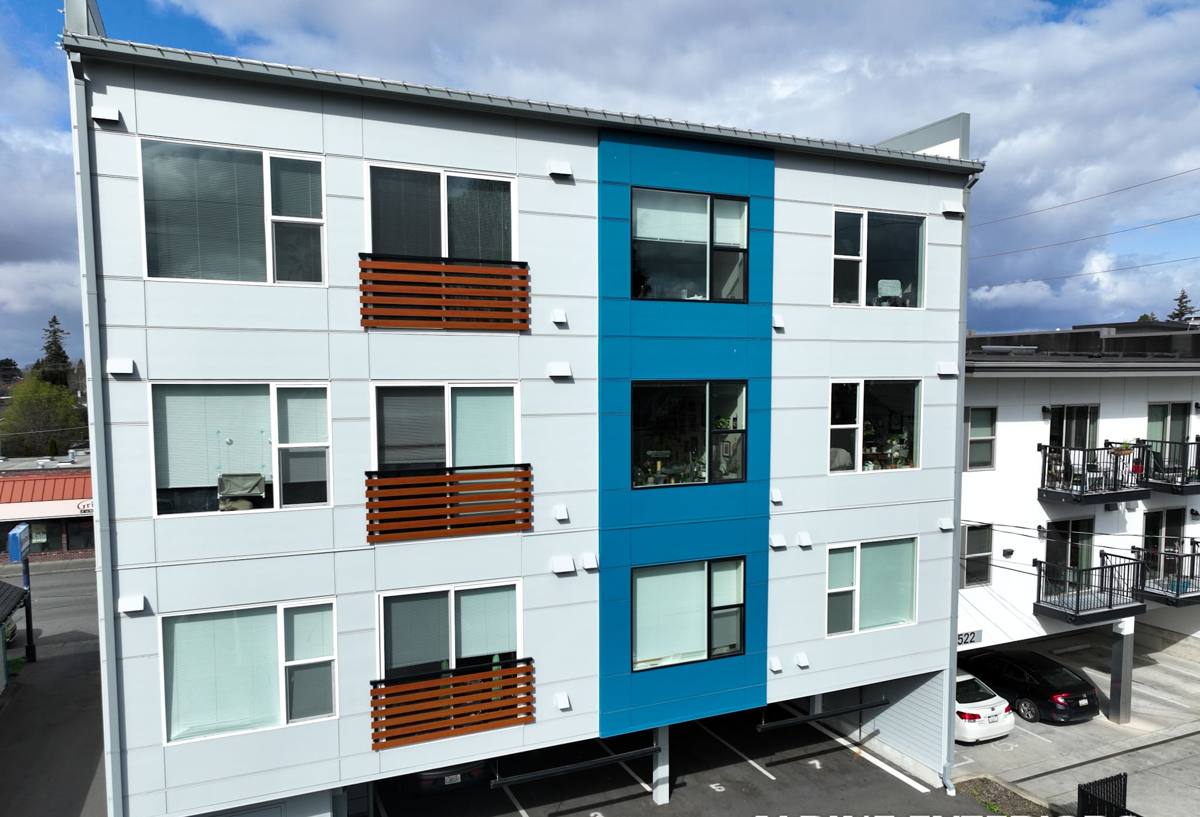
Signs a Mount Vernon Home Needs Window Replacement
Most homeowners call us for one of two reasons: they've noticed a problem, or they're tired of living with one. Either way, the signs are usually the same, and they tend to show up gradually before becoming obvious.
- Fogging or condensation between panes, which means the seal on a double-pane unit has failed
- Soft or discolored wood trim around the window, especially on north- and west-facing walls that take the brunt of driving rain
- Visible moss or green staining building up on sills or exterior casing
- Drafts you can feel near the frame even with the window fully closed and locked
- Windows that are difficult to open, close, or lock, which often points to a warped or swollen frame
- Rising heating bills without any other explanation
- Paint that keeps failing on the interior sill no matter how often it's redone
Any one of these on its own might not mean much. Two or three together, especially paired with visible wood damage, usually means moisture has already gotten past the window and into the surrounding wall.
What a Correct Window Replacement Job Actually Involves
The window itself is only part of the job. In a wet climate like this one, how the window is installed matters as much as what brand it is. We've opened up enough old openings to see the same shortcuts causing the same problems: no proper flashing, caulk used in place of a real moisture barrier, or a window that was never actually shimmed square.
Flashing and the Moisture Barrier
Every opening gets a proper flashing sequence, integrated with the home's existing weather-resistive barrier, so water is directed out and away from the wall framing rather than trapped behind the new window. This step is invisible once the job is done, but it's the single biggest factor in whether a window replacement holds up through a Skagit Valley winter or causes hidden rot five years later.
Air Sealing and Insulation
The gap between the window frame and the rough opening gets sealed and insulated correctly, not just stuffed with whatever's on hand. Done wrong, this gap becomes a direct path for both drafts and moisture. Done right, it's part of what makes the new window perform the way it's rated to.
Level, Plumb, and Square
A window that isn't installed level and square will bind, won't seal tightly, and will wear out its own hardware faster. We check this on every unit before final fastening, not just at the start.
Finish Work
Interior and exterior trim gets reinstalled or replaced so the finished opening sheds water correctly and matches the rest of the home. Sloppy trim work is often where a decent installation starts to look bad within a year or two.
Choosing the Right Window Material for This Climate
There's no single "best" window material for every home, but some perform more predictably than others under constant rain exposure and salt-influenced air. We walk homeowners through the honest trade-offs rather than pushing one option.
| Material | Moisture Performance | Maintenance | Typical Trade-Offs |
|---|---|---|---|
| Vinyl | Handles moisture well; won't rot | Low — occasional cleaning | Good value; frame color and sightlines are more limited than other materials |
| Fiberglass | Excellent — very stable in wet, temperature-swinging conditions | Low | Higher upfront cost, but holds up with minimal upkeep over time |
| Wood | Needs a well-maintained exterior finish to resist rot in this climate | High — repainting/sealing on a regular cycle | Classic look, but the maintenance burden is real in a region this wet |
| Wood-clad (wood interior, clad exterior) | Good, as long as the cladding and flashing details are done correctly | Moderate | Best of both appearances, but installation quality matters more than with vinyl or fiberglass |
| Aluminum | Prone to condensation without thermal breaks | Moderate | Less common for residential replacement in this region for that reason |
For most Mount Vernon homes, we lean toward vinyl or fiberglass for straightforward performance in a wet climate, and reserve wood or wood-clad for homes where matching an existing architectural style is the priority and the owner understands the upkeep that comes with it. We won't talk a homeowner into a low-maintenance product if they want a wood look, but we will be direct about what that look requires to hold up here.
Our Window Replacement Process
Homeowners generally want to know two things upfront: how disruptive is this, and how do we know it'll be done right. Here's the shape of the process from first call to final walkthrough.
- On-site assessment. We look at the existing windows, check for signs of moisture damage in the surrounding framing, and measure every opening.
- Written estimate. You get a clear breakdown of product options, install scope, and cost — no vague allowances.
- Scheduling around the weather. We plan install windows with an eye on the forecast; openings aren't left exposed to a Skagit County rain event overnight.
- Removal and inspection. Old windows come out and we inspect the rough opening before anything new goes in. If there's hidden rot or damage, we flag it before proceeding, not after.
- Flashing, install, and air sealing. Done to the standard described above, on every unit, not just the visible ones.
- Trim and finish work. Interior and exterior trim is completed to match the home.
- Final walkthrough. Every window is operated, checked, and reviewed with the homeowner before we consider the job done.
Cost Factors for Mount Vernon Window Replacement
Every home is different, so we won't quote a number without seeing the job, but the factors that actually move the price are consistent.
| Factor | Why It Affects Cost |
|---|---|
| Number and size of openings | More or larger windows means more material and labor |
| Material choice | Vinyl, fiberglass, and wood carry different unit costs and install requirements |
| Condition of the rough opening | Hidden rot or water damage found during removal adds repair work before the new window can go in |
| Access and second-story work | Upper-floor windows take more time and setup |
| Trim and siding tie-in | Matching existing trim profiles or siding cuts adds finish work |
| Full-frame vs. insert replacement | Full-frame replacement (removing down to the studs) costs more than an insert but is often the right call when the existing frame or flashing is compromised |
We'll always tell you honestly whether your home is a candidate for a simpler insert replacement or whether the condition of the opening calls for a full-frame job. Cutting that corner to save money up front is how hidden moisture problems get sealed back into a wall instead of fixed.
Why a Crew That Already Works in Mount Vernon Matters
Window replacement done wrong doesn't fail on day one — it fails two or three winters later, after moisture has had time to work behind a wall. A crew that regularly works Skagit County homes has already seen how local moisture patterns, moss growth, and driving rain expose bad installation shortcuts, because we're the ones who get called back to fix them.
That local experience shows up in small but important ways: knowing which orientations on a home take the worst weather exposure, recognizing early rot signs that an out-of-area crew might miss, and building in the flashing and drainage details that this specific climate demands rather than a generic install spec. It also means we're accountable — we're not driving in from out of the area for one job and gone. If a question comes up after the work is done, we're a local call away.
Maintaining Your New Windows in a Wet Climate
A correctly installed window still benefits from a little seasonal attention, especially in a region that gets as much rain and moss growth as this one does.
- Clear debris and moss from sills and tracks a couple of times a year, especially on shaded, north-facing walls
- Check exterior caulking annually and touch up any cracked or separated sections before winter rains set in
- Keep gutters and downspouts clear so water isn't sheeting down over window heads
- Operate each window a few times through the year so hardware doesn't seize up between uses
- Watch for any new soft spots in trim or sills, and address them early rather than waiting
None of this is heavy maintenance — it's the kind of upkeep that takes an afternoon and heads off bigger repairs down the road.
Get a Straightforward Estimate
If your windows are showing their age, fogging, drafting, or just not keeping up with what Mount Vernon winters throw at them, we're happy to take a look. There's no pressure and no sales script — just an honest assessment of what your home needs and what it would cost to do the job right. Use the form below to request a free estimate.