 Anacortes
 Siding Built for Skyline's Weather, Not Just Its Looks
Skyline sits close enough to Fidalgo Island's shoreline that homes here take a different kind of beating than houses ten miles inland in Skagit County. Salt-laden wind off the water works its way into every seam and fastener hole. Driving rain off the Strait doesn't fall straight down — it hits siding sideways, which means lap joints, corners, and trim edges get tested in ways a calm-weather install never accounts for. And the long, wet Pacific Northwest shoulder seasons keep exterior walls damp long enough for moss and algae to take hold on anything that stays shaded or slow to dry.
None of that makes siding impossible to get right in Skyline. It just means the material and the install both have to be chosen with that exposure in mind, not with a generic Puget Sound approach. That's the whole reason we install James Hardie fiber cement and nothing else — and why we install it a specific way in this part of Anacortes.
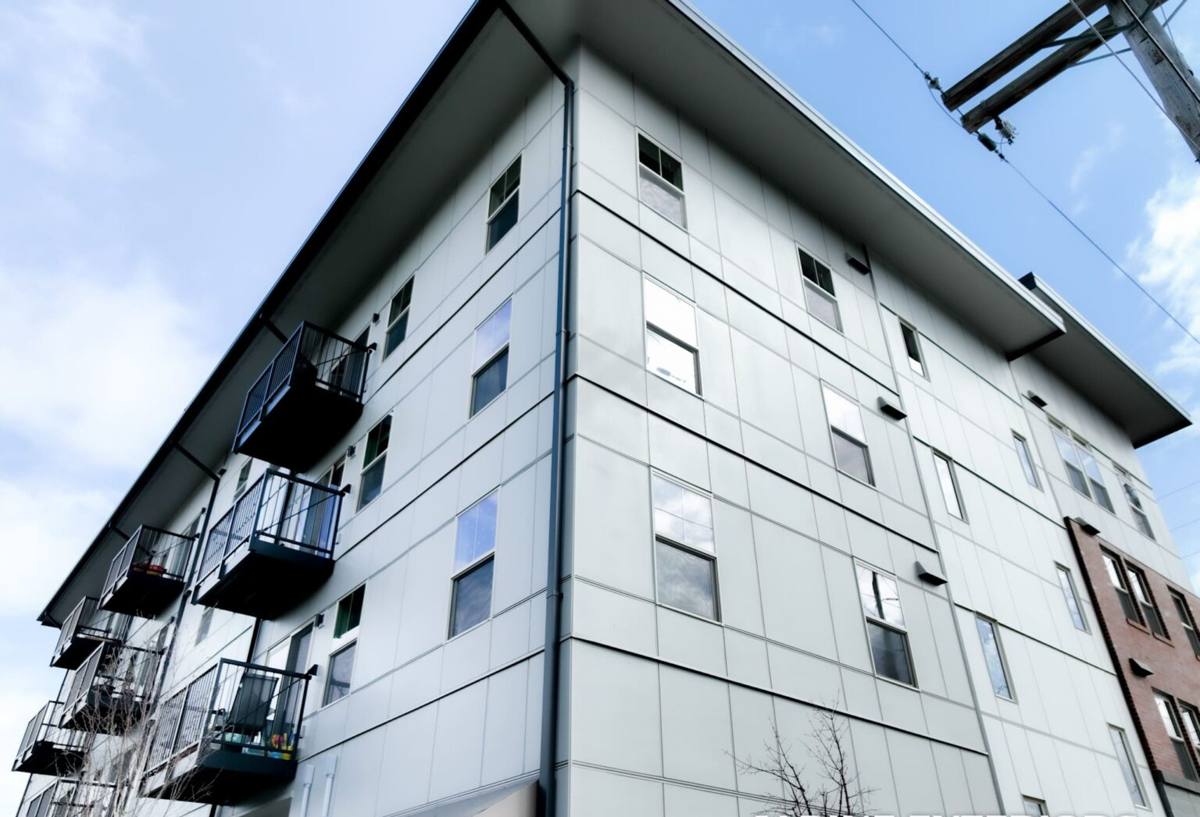
What Salt Air and Moss Season Actually Do to a House
Homeowners often assume the biggest threat is rain volume. In practice, the bigger long-term problems come from three related issues:
- Moisture cycling: siding that gets wet and dries slowly stays wet longer each cycle, which is what feeds rot at the substrate and swelling in wood-based products.
- Salt exposure: airborne salt accelerates corrosion on fasteners, flashing, and trim hardware that isn't rated for a marine-influenced environment.
- Organic growth: moss and algae hold moisture against the siding surface, and on porous or poorly finished materials that growth can work into the material itself, not just sit on top of it.
Fiber cement handles all three better than the alternatives, which is exactly why it's become the standard for coastal and marine-exposed homes throughout western Washington. It doesn't absorb and swell the way wood-based products can, it's dimensionally stable enough to keep joints tight through wet-dry cycles, and a factory-cured finish gives it a harder, more consistent surface for moss and algae to gain a foothold on.
Why We Install Only James Hardie — Not LP SmartSide, Vinyl, or the Rest
We get asked regularly why we don't offer LP SmartSide, vinyl, Cemplank, Allura, or primed wood siding as options. It's not that these products can't be installed correctly — it's that after years of exterior work in this climate, we standardized on one system rather than offering several with very different long-term track records.
LP SmartSide is an engineered wood product. It performs fine in a lot of climates, but wood-based siding is more sensitive to sustained moisture exposure than fiber cement, and Skyline's combination of salt air and long wet seasons is exactly the environment where that sensitivity shows up over time — usually at cut edges and butt joints if they aren't sealed and maintained precisely to spec. Vinyl is affordable and low-maintenance in a general sense, but it's a thin material that can warp, fade, and crack with UV and temperature cycling, and it doesn't offer the impact resistance or the non-combustible rating that fiber cement does. Cemplank and Allura are also fiber cement, and they're not bad products — but we don't install every brand of every material, for the same reason a contractor doesn't stock five brands of roofing shingle. James Hardie has the deepest track record in the Pacific Northwest specifically, engineers products for regional climate zones, and backs the material with a strong non-prorated, transferable warranty. Primed spruce or cedar can look great going up, but bare or field-primed wood siding depends entirely on ongoing paint maintenance to keep water out — skip a repaint cycle in a climate like this one and you're inviting exactly the moisture problems fiber cement is designed to resist.
We're not going to tell a homeowner any of these products are junk — they're not. We're telling you why, after weighing maintenance burden, moisture behavior, and long-term performance in this specific climate, we put James Hardie on every house we side.
HZ5 Products: Engineered for This Exact Climate
James Hardie doesn't make one universal product — it engineers siding formulations for different climate zones across the country, called HZ (HardieZone) products. Western Washington, including Anacortes and Skagit County, falls into the HZ5 zone, which is formulated specifically for regions with significant moisture exposure and freeze-thaw cycling.
HZ5 products are engineered with that moisture exposure in mind from the manufacturing stage, not just at installation. For a Skyline home dealing with salt air and a long wet season, that's not a marketing distinction — it's the difference between a product designed for your actual weather and one designed for a drier region and shipped here anyway. Getting the right HZ product matched to the region is a basic step, but it's one that gets skipped when a crew treats siding as a one-size-fits-all material.
ColorPlus Factory Finish vs. Field Painting
Most James Hardie siding we install uses the ColorPlus finish — a coating baked onto the board at the factory under controlled conditions, rather than paint applied on-site after installation. In a climate with a long moss season and frequent damp weather, this matters for two practical reasons: the factory finish cures harder and more evenly than a field-applied coat ever can, and it comes with its own dedicated finish warranty separate from the substrate warranty. Field-painted fiber cement is still a legitimate option, particularly for color-matching or touch-up work, but for full siding jobs in a coastal-influenced area, ColorPlus gives you a more durable, more consistent surface from day one.
What a Correct Installation Involves
The material only performs as well as the install. Fiber cement siding that's installed wrong will still show moisture problems, even though the board itself is doing its job. For Skyline homes specifically, the details that matter most are:
| Detail | Why It Matters Here |
|---|---|
| Proper water-resistive barrier and flashing | Sideways, wind-driven rain finds any gap at windows, doors, and penetrations — flashing has to shed water outward, not just cover the hole |
| Correct fastener type and spacing | Salt air accelerates corrosion on the wrong fastener grade; Hardie's specifications call for corrosion-resistant fasteners for a reason |
| Minimum clearance from grade, decks, and roof lines | Keeps the bottom edge of the siding from sitting in standing moisture or splashback |
| Proper joint and butt-seam treatment | Unsealed or poorly caulked joints are the number one entry point for water in wet climates |
| Ventilation behind the cladding | Lets moisture that does get behind the siding dry out instead of sitting against the sheathing |
Every one of these is a documented part of James Hardie's installation specification. Following the spec isn't optional if you want the warranty to actually hold — most claim denials on fiber cement siding trace back to an installation detail that didn't match the manufacturer's requirements, not a failure of the material itself.
Our Process for a Skyline Siding Job
Every job starts with an on-site look at the house, not a phone estimate. We walk the exterior, check the current siding and sheathing condition, note drainage and grade issues, and identify anything — old trim, deck ledger boards, window flashing — that needs attention before new siding goes up rather than being covered over.
- On-site assessment: full walk-around, moisture and rot check, photos of anything hidden that needs repair.
- Written scope and product selection: HZ5 board profile, ColorPlus color, trim details, and a clear line-item scope before any work starts.
- Substrate and moisture barrier prep: repair or replace any damaged sheathing, install or correct the weather-resistive barrier and flashing.
- Installation to manufacturer spec: correct fasteners, clearances, joint treatment, and ventilation detailing.
- Final walkthrough: we go over the finished job with you, not just hand you an invoice.
What Skyline Siding Work Costs
Every house is different, so we won't quote a number without seeing the home, but the factors that move the price are consistent:
| Factor | Effect on Cost |
|---|---|
| Amount of substrate repair needed | Rotten sheathing or framing found once old siding comes off adds material and labor before new siding even starts |
| Board profile and trim complexity | Lap siding vs. shake-style panels, and the amount of trim, window, and corner detail, changes labor time |
| House height and access | Multi-story sections, steep grades, or limited access add setup time |
| Color and finish choice | Standard ColorPlus colors vs. custom or field-painted finishes carry different material costs |
| Full re-side vs. partial replacement | Matching new siding into existing sections requires more precision than a full tear-off |
Why Hiring a Crew That Already Works This Area Matters
A crew that regularly works Anacortes and the surrounding Skagit County waterfront areas already knows what this climate does to a house over ten and twenty years, not just what looks good on installation day. That shows up in small decisions — how much clearance to leave at grade, how joints get sealed, where extra flashing attention goes — that a crew unfamiliar with marine exposure might not think twice about. It also means faster, more accurate estimates, because we're not guessing at how the local weather pattern will interact with a given house design — we've seen it play out on homes just like it.
A Simple Maintenance Checklist for Hardie Siding in Skyline
James Hardie siding is genuinely low-maintenance compared to wood, but "low-maintenance" doesn't mean "no maintenance" in a climate like this one. A short annual routine keeps it performing the way it's designed to:
- Rinse siding down once or twice a year to clear salt residue and organic buildup before it takes hold
- Check caulking at joints, trim, and window edges annually and re-caulk anything cracked or pulling away
- Keep gutters clear so overflow isn't running down or pooling against siding sections
- Trim back vegetation and landscaping that keeps siding shaded and slow to dry
- Look at ground-level clearance after any regrading, mulch, or landscaping work — buried siding edges are a common, avoidable moisture problem
If you're weighing a siding replacement or repair on a Skyline home, we're glad to come take a look and walk you through what we'd actually recommend for your house — no pressure, no generic sales pitch. Fill out the form below for a free estimate.