 Anacortes
 Why La Conner Windows Wear Out Faster Than You'd Expect
La Conner sits right on the Swinomish Channel, and that waterfront location changes the math on how long a window lasts. Homes just a few miles inland in Skagit County deal with rain and cold, but they don't deal with the steady low-level salt exposure that comes off the water here. Salt-laden air works on metal hardware, window screens, and painted or coated finishes year-round, not just during storms. Add in the fact that La Conner gets its share of wind off the channel, and you have a combination that pushes moisture into places a window in a more sheltered location would never see.
None of this means windows in La Conner are doomed to fail early. It means the installation has to account for the environment from day one — the flashing details, the sealants used, the hardware finish, and the frame material all matter more here than they would on a home twenty minutes inland.
Driving Rain and What It Does to a Window Opening
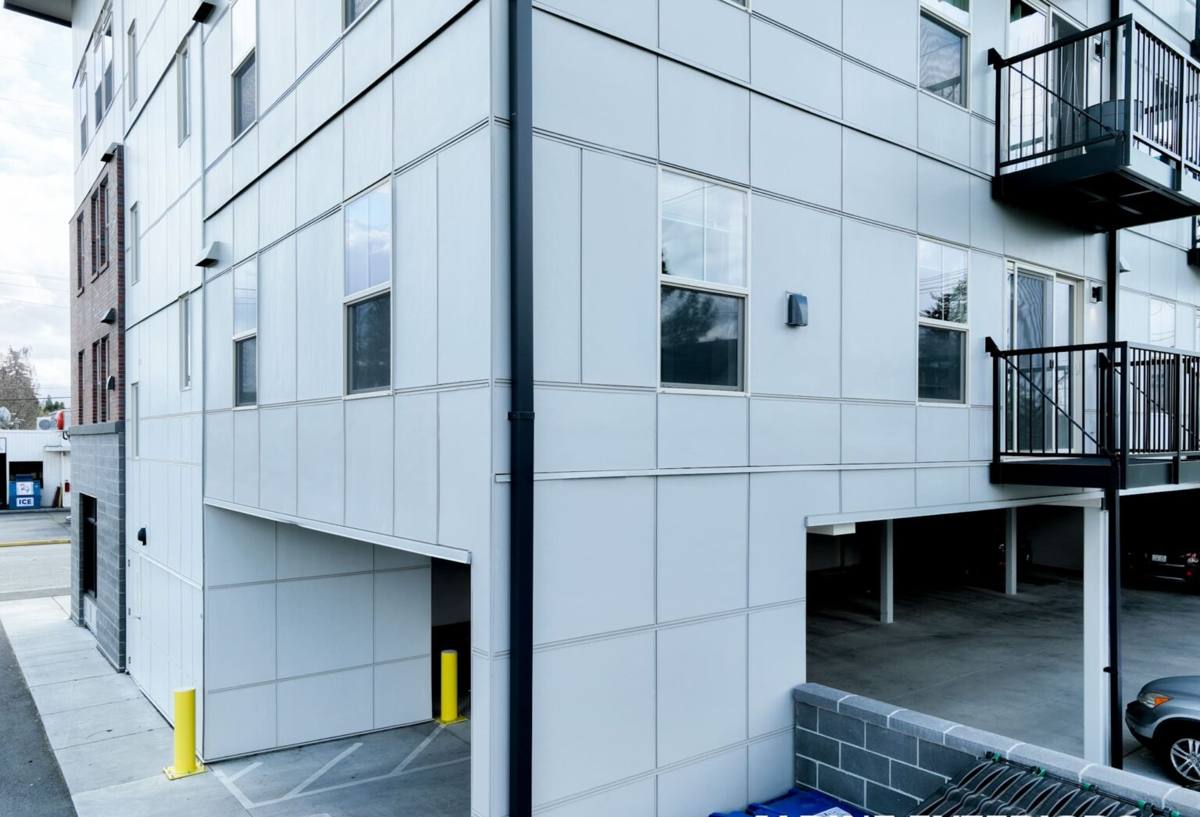
"Driving rain" isn't just heavy rain — it's rain pushed sideways by wind, and it behaves differently than a straight-down shower. Wind-driven rain gets forced up and under trim, into gaps around the frame, and behind siding if the opening isn't detailed correctly. A window can look perfectly installed and still leak years later if the water management behind the visible trim wasn't done right.
This is where a lot of window problems actually start. The glass and frame rarely fail on their own — it's water finding a path around the unit, sitting against wood sheathing or framing, and slowly causing rot that isn't visible until the interior sill goes soft or paint starts bubbling on the wall below the window.
What Correct Water Management Looks Like
- A sloped sill pan under the window so any water that gets past the frame drains back outside instead of pooling
- Flashing tape or flexible flashing integrated with the house wrap in the correct shingle-lap order, so water is always directed downward and outward
- Continuous sealant at the correct joints only — sealing every gap isn't correct practice, since some gaps need to stay open for drainage
- Trim and cladding reinstalled so the window's outer flange is fully covered and protected from direct weather
Moss Season and Moisture Around Your Windows
Skagit County's wet season runs long, and La Conner's mix of shade, humidity, and mild temperatures gives moss plenty of time to establish itself — not just on roofs, but on window sills, trim, and any horizontal wood surface that stays damp. Moss and algae hold moisture against wood far longer than open air would, which accelerates rot in sills and trim that are already taking on more water exposure than average. North- and west-facing windows, and anything shaded by trees or a neighboring structure, tend to show this wear first.
A well-installed window with the right sill detailing and a paintable, moisture-resistant trim material sheds water fast enough that moss has a harder time getting a foothold. That's a small detail in the moment but it's one of the bigger differences between a window that looks good for five years and one that still looks good after fifteen.
Signs a La Conner Home Needs New Windows, Not Just a Repair
- Fogging or a permanent haze between the panes — the seal on the insulated glass unit has failed and can't be repaired, only replaced
- Soft or spongy wood at the sill, either inside or outside
- Windows that are hard to open, don't stay up on their own, or have broken balances
- Visible daylight or a noticeable draft around the frame when it's windy
- Paint that keeps failing on the trim no matter how often it's repainted — often a sign water is getting behind it
- Noticeably higher heating bills in the rooms with the oldest windows
- Metal hardware (locks, cranks, hinges) that's pitted, corroded, or seized up — common on older aluminum windows this close to the water
If you're only seeing one or two of these, a repair or reseal might buy you more time. If you're seeing several at once, or the home still has its original single-pane or early dual-pane windows, replacement is usually the more honest recommendation.
Choosing a Frame Material for a Waterfront Climate
There's no single "best" window material — the right choice depends on your home's exposure, your budget, and how much maintenance you're willing to do. Here's how the common options actually perform in a salt-air, high-moisture setting like La Conner:
| Frame Material | Salt Air Performance | Maintenance | Trade-offs |
|---|---|---|---|
| Vinyl | Won't corrode; handles salt air well | Low — occasional cleaning | Frame can't be repainted; color options are fixed at purchase |
| Fiberglass | Excellent — very stable in moisture and temperature swings | Low to moderate | Higher upfront cost than vinyl |
| Wood-clad (wood interior, clad exterior) | Good if the cladding and flashing are done correctly | Moderate — exterior is protected, interior wood still needs normal care | More installation-sensitive; a poor install undermines the whole benefit |
| Aluminum | Prone to corrosion and pitting near saltwater over time unless it's a marine-grade finish | Higher — finish and hardware need monitoring | Thermally less efficient unless thermally broken |
For most La Conner homes we lean toward vinyl or fiberglass for straightforward replacements, and wood-clad when a homeowner wants a specific interior look and understands the maintenance that comes with it. We're happy to walk through the honest trade-offs for your specific home rather than push one product line.
Our Window Installation Process
- On-site assessment. We look at each opening individually — La Conner homes often have different exposure on the water side versus the street side, and the install detail can change accordingly.
- Removal and inspection. Once the old window is out, we check the framing and sheathing underneath for hidden rot or past water damage before anything new goes in.
- Repair framing if needed. Any soft or damaged wood gets replaced now, not covered up. This is the step that gets skipped by a rushed installer and causes problems years later.
- Flashing and sill pan installation. Built to shed water outward, integrated properly with the house wrap or building paper.
- Set the new window, level and shim. Correct shimming keeps the sash operating smoothly for the life of the window.
- Insulate the gap. Low-expansion foam or backer rod and sealant around the perimeter — never packed solid, which can bow the frame.
- Exterior trim and sealant. Finished to shed water and match the home's existing trim profile where possible.
- Interior finish and clean-up. Interior trim, paint-ready surfaces, and a final operation check on every window installed.
Working With Older and Character Homes Near La Conner
A fair number of homes in and around La Conner have real age and character to them — older trim profiles, deeper window wells, or proportions that don't match what comes standard on a big-box replacement window. Swapping in a generic modern window can technically "work" while quietly changing the whole look of the house. We pay attention to matching sightlines, sash proportions, and trim details so a replacement window reads as though it belongs, not as an obvious retrofit. If your home has any historic designation or is in an area with design guidelines, that's worth mentioning before work starts so we can plan the install accordingly.
What Drives the Cost of a Window Installation Here
Every home is different, but the same handful of factors drive most of the cost variation we see on La Conner projects:
| Factor | Why It Matters |
|---|---|
| Number and size of windows | Larger openings and full-home replacements naturally cost more than a handful of units |
| Frame material | Vinyl is typically the most affordable; fiberglass and wood-clad cost more upfront |
| Hidden damage | Rotted framing or sheathing found during removal adds repair time before the new window can go in |
| Access and second-story work | Upper-floor or hard-to-reach windows take more time and setup |
| Trim complexity | Matching custom or historic trim profiles takes more labor than standard trim replacement |
We give a firm, itemized estimate after actually looking at your windows in person — not a phone quote based on guesswork — because the hidden-damage factor alone can change a project significantly once we're inside the wall.
Why a Local Crew Matters for La Conner Specifically
We're based in Anacortes and work throughout Skagit County, which means La Conner isn't an occasional stop for us — it's a place we return to regularly, in every season. That matters for a few practical reasons: we already know how the salt air and moss season here treat window installations over time, we're not learning the local weather patterns on your project, and if something needs a follow-up check after the first big storm season, we're a short drive away rather than a company based somewhere across the county. A window installation is only as good as the crew standing behind it once the job is done.
If you're weighing whether it's time to replace your windows, or you just want a straight answer on what a correct installation should include, we're glad to take a look. Reach out for a free, no-pressure estimate using the form below.