 Anacortes
 March Point's Exposure Is Different From the Rest of Anacortes
March Point sits out on open water on more sides than most of Anacortes proper, and that changes what a roof has to deal with day to day. Homes here catch wind that's had a long, unobstructed run across the bay before it hits the roofline, and that wind carries salt spray with it. Add in Skagit County's long wet season — mild temperatures, low sun angle for months at a time, and days of drizzle that never quite dry out — and you have a roofing environment that's noticeably tougher on asphalt shingles than a sheltered lot a few miles inland.
None of this means asphalt shingle roofing is a poor fit for March Point. It's still the most practical, best-value roofing material for the vast majority of homes out here. It just means the details of the job — material choice, ventilation, flashing, and fastening — matter more than they would in a calmer setting, and cutting corners on any of them shows up sooner on a point than it would elsewhere in town.
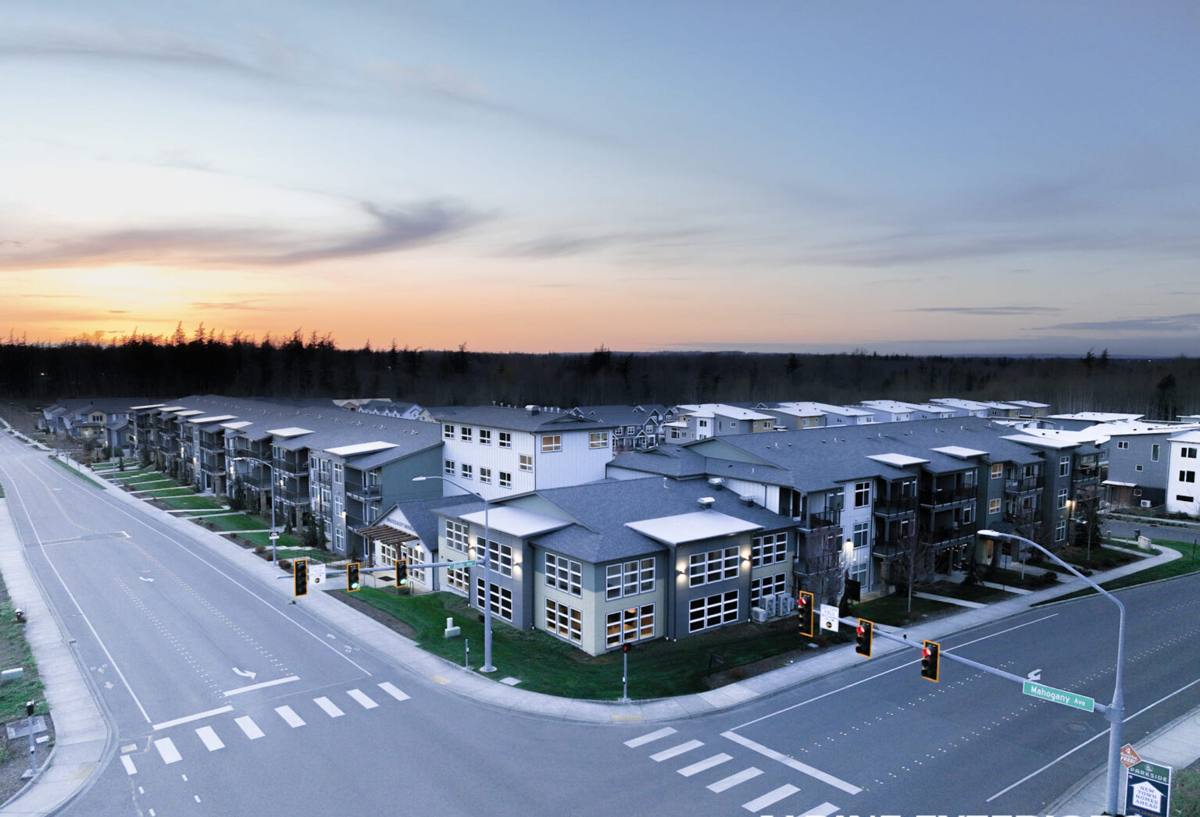
What Salt Air, Wind, and Moss Actually Do to a Shingle Roof
These three factors don't act alone — they compound each other, and understanding how helps explain why certain details in an installation aren't optional out here.
Salt Air
Airborne salt settles on every exposed surface, including the roof. Over years, it accelerates corrosion on unprotected metal — exposed nail heads, cheap flashing, vent housings, and staples. Once a fastener starts to corrode, it loses grip and can back out, which is exactly where wind-driven rain finds its way in. Salt residue also holds moisture against the shingle surface a little longer than clean rain does, which feeds the next problem.
Wind
Sustained wind off the water puts steady uplift pressure on shingle edges, especially at eaves, rakes, and ridges. A shingle that's properly sealed and nailed shrugs this off for decades. One that was installed with weak nailing patterns, missed sealant strips, or the wrong shingle class for the exposure will start lifting tabs years before it should — and once a tab lifts, wind-driven rain gets pushed uphill under the shingle instead of running off it.
Moss and Algae
Shaded slopes and north-facing planes that stay damp longer are where moss and algae take hold first. Moss roots hold water directly against the shingle mat, which speeds up granule loss and can physically lift shingle edges as it grows. Algae shows up as dark streaking and is mostly cosmetic on its own, but it's often a sign that a roof is staying wet longer than it should — usually a ventilation or shading issue worth looking at.
Choosing an Asphalt Shingle for This Exposure
Three-Tab vs. Architectural (Laminate)
Three-tab shingles are the lightest, flattest, and least expensive option, but they also carry the lowest wind ratings and the thinnest mat — not our first recommendation for a wind-exposed point. Architectural (laminate) shingles are thicker, heavier, and rated for higher wind speeds because of their layered construction and larger nailing surface. For March Point, we default to architectural shingles on nearly every job; the up-front cost difference is modest compared to the added wind and weather performance.
Algae-Resistant Granules
Most major manufacturers offer a shingle line with copper- or zinc-infused granules specifically to slow algae growth. On a roof with shaded or north-facing sections — common on wooded March Point lots — this is worth the small upcharge. It won't stop moss from a mechanical standpoint, but it measurably slows the black streaking that algae causes.
| Shingle Type | Typical Wind Rating | Algae Resistance | Fit for March Point |
|---|---|---|---|
| Three-tab | Lower end of standard range | Standard granules only | Budget option; better suited to sheltered lots |
| Architectural / laminate | Mid to upper range | Standard or upgraded available | Our default recommendation for this exposure |
| Impact-resistant (Class 4) | Mid to upper range | Usually available upgraded | Worth discussing for open, high-wind lots |
Exact wind ratings and warranty terms vary by manufacturer and product line, so we walk through the specific options and their published ratings during the estimate rather than quoting numbers that change from one shingle series to the next.
What a Correct Installation Involves Here
Underlayment and Ice-and-Water Barrier
Shingles are the visible layer, but the underlayment underneath is what actually keeps a roof dry if wind ever drives rain up under a tab. We use synthetic underlayment across the field and self-adhering ice-and-water barrier at eaves, valleys, and around every penetration — the spots most likely to see standing water or wind-driven intrusion on an exposed roof.
Ventilation
Balanced intake and exhaust ventilation keeps the attic close to outdoor temperature and lets moisture escape instead of condensing on the underside of the roof deck. On a marine-climate roof, poor ventilation is one of the most common hidden causes of premature shingle aging and deck rot — it's not something you can fix by upgrading the shingle alone.
Flashing and Edge Metal
Step flashing at walls and chimneys, valley flashing, and drip edge at the eaves and rakes all need to be properly lapped, fastened, and sealed — not just tucked under the shingle and left to gravity. This is the detail work that separates a roof that handles wind-driven rain from one that leaks at the first real storm.
Fastening for Wind
Nail placement, nail count per shingle, and nail type all affect wind performance, and manufacturers publish specific patterns for high-wind installations. We follow those patterns rather than a generic nailing schedule, particularly on the exposed edges and ridge lines that take the brunt of wind off the water.
Signs Your March Point Roof Needs Attention
- Dark streaking or green-black patches, especially on north-facing or shaded slopes
- Visible moss growth, even a thin layer starting along the shingle edges or ridge
- Granules collecting in gutters or at the base of downspouts
- Shingle tabs that look lifted, curled, or cupped rather than lying flat
- Rust staining below metal flashing, vents, or exposed fasteners
- Soft spots or sagging when walked, or daylight visible through the attic roof deck
- Water stains on interior ceilings, especially after a windy rainstorm
How We Approach a Roofing Job in March Point
- Inspection: We walk the roof and attic, checking deck condition, existing ventilation, flashing details, and how much wind and shade exposure the specific slopes get.
- Plan and material selection: Based on that walk, we recommend a shingle class, underlayment package, and ventilation approach suited to that particular lot — a shaded, tree-lined slope and an open, water-facing slope don't always need the same treatment.
- Tear-off and deck check: Old roofing comes off down to the deck, which gets inspected and repaired before anything new goes down. Covering a soft or damaged deck with new shingles just hides the problem.
- Installation: Underlayment, ice-and-water barrier, flashing, ventilation components, and shingles go in following manufacturer wind-rated specifications, not a shortcut version.
- Cleanup and walkthrough: Site is cleared of debris and fasteners, and we walk the finished roof and attic with you before calling the job done.
Maintenance: Keeping Moss and Salt From Cutting the Roof's Life Short
A well-installed shingle roof in this area can still lose years of service life to neglect. A few habits go a long way:
- Keep gutters and valleys clear of needles and leaf debris, which trap moisture against the roof edge
- Trim back overhanging branches to reduce shade and let slopes dry out between rains
- Have visible moss removed properly rather than pressure-washed, which can strip granules and shorten shingle life
- Ask about zinc or copper control strips near the ridge on shaded slopes, which help suppress regrowth between cleanings
- Have the roof looked at after any unusually high wind event, even if nothing looks obviously wrong from the ground
Cost Factors for Asphalt Shingle Roofing in March Point
| Factor | Why It Affects Cost |
|---|---|
| Roof pitch and complexity | Steeper roofs and multiple valleys or dormers take longer and require more safety setup |
| Number of existing layers | Tear-off of multiple old layers adds labor and disposal cost over a single-layer roof |
| Deck condition | Rotted or soft decking found during tear-off needs repair before new roofing goes on |
| Shingle tier chosen | Three-tab, standard architectural, and impact-resistant or algae-resistant lines all price differently |
| Ventilation upgrades | Adding proper intake or exhaust venting where none exists is an added but worthwhile cost |
| Site access | Long driveways, tree cover, or tight lot access on some March Point properties affect setup time |
We give a specific number after seeing the actual roof — broad estimates without an inspection tend to be wrong in one direction or the other, and we'd rather give you a figure you can trust.
Why Hire a Crew That Already Works This Area
March Point is its own microclimate within Anacortes — a mix of rural residential lots and industrial waterfront, with a wider wind fetch than most in-town neighborhoods and longer, sometimes tree-covered access roads. A crew that hasn't worked the area before is guessing at how much wind exposure a given slope actually sees, or how quickly moss comes back on a shaded north side out here versus a sheltered lot closer to town. That's not a small detail — it's the difference between a roofing package that's overbuilt for a calm lot and one that's genuinely matched to what the point actually throws at it. Working this area regularly means we've seen which slopes take the worst of the wind, which lots hold moss no matter what, and which flashing and fastening details actually matter versus which ones are just upsells.
If you'd like a straight, no-pressure look at your roof and a real number to work from, the estimate form below gets you a visit and a plan — no obligation attached.