 Anacortes
 A Neighborhood Where the Weather Doesn't Take a Day Off
Old Town Anacortes sits among the oldest platted blocks in the city, on Fidalgo Island, close enough to the water that the marine air is a constant presence rather than an occasional visitor. That proximity is part of what makes the neighborhood feel the way it does — but it's also why siding here works harder than siding a few miles inland. Homes in this part of Anacortes deal with salt-laden air off the Salish Sea, wind-driven rain that comes in sideways off Rosario Strait, and long stretches of shade and dampness under mature trees that keep moss and mildew active for most of the year.
None of that is a reason to avoid siding work in Old Town — it's a reason to do it correctly the first time. A siding job that's installed to spec, with the right materials and the right water management details, will outlast one that was installed the same way a contractor might install it in a dry inland subdivision. The difference shows up five, ten, and twenty years down the road.
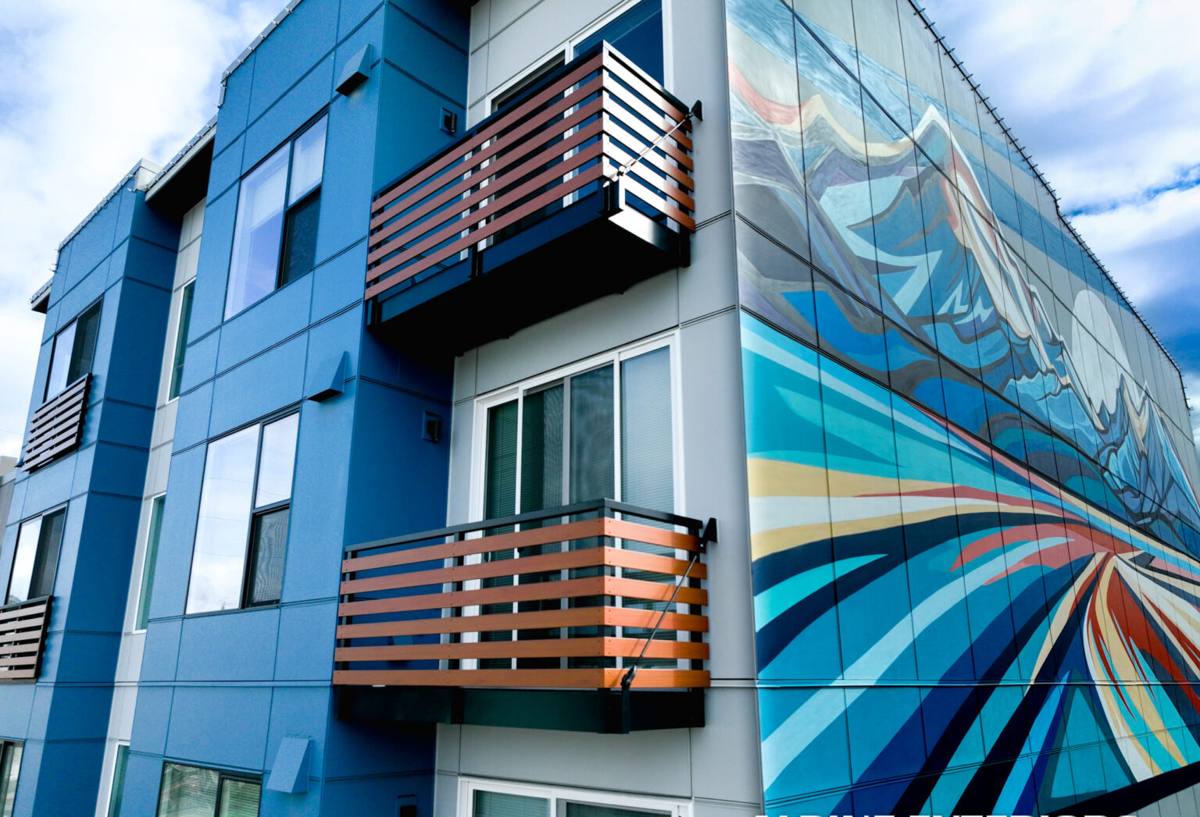
What Salt Air, Driving Rain, and Moss Actually Do to a Wall
It helps to understand the specific ways this climate attacks siding, because it explains why some installation shortcuts that go unnoticed in other parts of the state fail faster here.
Salt Air and Corrosion
Airborne salt accelerates corrosion on fasteners, flashing, and any exposed metal trim. Siding fastened with the wrong nail type, or flashed with mismatched or unprotected metal, corrodes faster near the water than it would even a short distance inland. Over time, corroded fasteners lose holding power and can streak or stain the siding face.
Wind-Driven Rain
Rain that falls straight down is relatively easy for any siding to shed. Rain that's pushed sideways by wind off the water behaves differently — it gets forced up under laps, into butt joints, and around trim if those details aren't built to handle it. A wall assembly that manages water passively, with a drainage plane and a real rainscreen gap, tolerates this kind of weather. A wall that relies purely on caulk and careful nailing does not, for long.
Moss and Prolonged Dampness
Shaded lots and a long wet season mean moss and algae get a real foothold on north-facing walls, under eaves, and anywhere airflow is restricted. Moss holds moisture directly against the siding surface far longer than open exposure would. On materials that swell, delaminate, or absorb water at cut edges, that prolonged contact is where premature failure usually starts.
What a Correct Siding Installation Involves
Siding is a water management system first and a finished appearance second. The visible plank or panel is the last layer of a system that has to work even when water gets past it — because in this climate, eventually, it will.
Drainage Plane and Rainscreen Gap
Behind the siding, a weather-resistant barrier needs to be installed correctly — lapped shingle-style, sealed at seams and penetrations, and paired with a drainage gap that lets any water that gets behind the siding drain and dry rather than sit against the sheathing. This detail matters more in a wind-driven-rain climate than almost anywhere else on the installation checklist.
Flashing at Every Penetration
Windows, doors, vents, hose bibs, light fixtures, and deck ledgers are all places where water is looking for a way in. Each one needs flashing that directs water back out and down, not just a bead of caulk. Caulk fails; properly lapped flashing doesn't rely on staying perfectly sealed forever.
Fastening and Clearances Built for This Climate
James Hardie specifies fastening schedules and installation clearances by climate zone, and the Skagit County coastline calls for the HZ10 product line, engineered specifically for wet, moisture-prone regions. That means correct nail type and spacing, proper gaps at trim and grade, and ground clearance that keeps splash-back and standing moisture away from the bottom course.
Matching Old Town's Older Housing Stock
Old Town Anacortes has a genuine mix of home ages and styles — this is one of the neighborhoods where you'll find older homes alongside newer infill, often with more traditional trim details, narrower lap reveals, and window and door proportions that don't match a modern subdivision. Siding replacement here isn't just about weatherproofing; it's about not flattening out the character that makes these blocks look the way they do.
That's a real advantage of fiber cement over some alternatives: HardiePlank comes in a range of exposure widths and can be trimmed with detail that reads as traditional rather than generic, and HardieShingle is available where a home's original siding was cedar shingle. Getting the reveal, trim width, and corner detail right is what keeps a re-sided older home looking like itself instead of looking like a different house entirely.
James Hardie vs. Other Siding Materials in a Marine Climate
We install James Hardie fiber cement exclusively, and we're upfront about why. Every siding material has real strengths — but in a climate defined by salt air, wind-driven rain, and long damp seasons, the trade-offs of some products stack up against a homeowner faster than others.
| Material | Behavior in Salt Air & Moisture | Maintenance Burden | Longevity / Warranty |
|---|---|---|---|
| James Hardie fiber cement | Non-combustible, dimensionally stable, engineered HZ10 line for wet coastal climates | Low — factory ColorPlus finish resists fading and chalking | Long service life; strong transferable warranty when installed to spec |
| Vinyl siding | Can warp, buckle, or become brittle with temperature swings and impact; seams are entry points for wind-driven rain | Low upfront, but panels are hard to color-match if damaged and can't be repainted easily | Shorter practical lifespan in exposed coastal wind and salt exposure |
| LP SmartSide (engineered wood) | Wood-based core is more moisture-sensitive at cut edges and butt joints than fiber cement | Moderate — repainting and edge sealing over time | Warranty structure and moisture tolerance differ meaningfully from fiber cement |
| Cedar / primed spruce | Absorbs moisture, is a food source for moss and mildew, and is combustible | High — regular refinishing, sealing, and moss treatment required | Shortest realistic lifespan without intensive upkeep |
We don't install vinyl, LP SmartSide, Cemplank, Allura, primed spruce, or cedar. Each of those products has homeowners who are happy with them, and each has legitimate use cases elsewhere. Our decision to standardize on James Hardie comes down to what we've seen hold up, reliably, on homes exposed to exactly the conditions Old Town Anacortes sees every year — and we'd rather put our name behind one product we trust completely than several we'd have to qualify.
Moss and Mildew: What to Realistically Expect
Even the right siding, installed correctly, lives in a wet, shaded climate — so it's worth being honest about ongoing care rather than pretending siding is maintenance-free once it's up.
- Rinse siding annually, especially north-facing walls and areas under tree canopy, to keep moss and algae from establishing
- Keep gutters clear so overflow doesn't run down the wall face during heavy rain
- Trim back vegetation and branches that shade siding and restrict airflow
- Check caulking at trim and penetrations every year or two and touch up as needed, even though flashing — not caulk — is doing the real work
- Watch for moss buildup at the bottom courses near grade, where splash-back keeps material wetter longer
James Hardie's factory-applied ColorPlus finish resists the fading and chalking that make older siding look tired, which cuts down on repainting — but it doesn't make a wall immune to moss simply landing on it. Basic seasonal upkeep is still part of owning a home this close to the water.
Our Process, From Estimate to Finished Job
We walk the exterior with you first, looking at existing siding condition, trim, water management at windows and doors, and any moisture or moss patterns that point to a specific problem area. From there:
- We remove the old siding and inspect the sheathing underneath for hidden water damage before anything new goes up
- We install or repair the weather-resistant barrier and drainage plane, correcting any past shortcuts we find
- We flash every window, door, and penetration properly before siding goes on
- We install James Hardie siding to the HZ10 fastening and clearance specifications for this climate zone
- We finish trim and detailing to match the home's existing character where that's the goal
- We walk the finished job with you before we consider it done
If sheathing damage turns up once the old siding comes off, we'll show it to you directly and talk through the repair before covering it back up — not after.
Why It Matters to Hire a Crew That Already Works This Neighborhood
A contractor who mainly works drier, inland jobs can still do competent work — but they may not default to rainscreen gaps, HZ10 fastening schedules, or corrosion-resistant hardware unless they're used to needing them. In Old Town Anacortes, those aren't optional upgrades; they're the baseline for a job that's still performing in fifteen years. A crew that regularly works this stretch of Skagit County treats salt air and driving rain as the normal job conditions they are, not an edge case.
If you're considering siding work on a home in Old Town Anacortes, we're happy to take a look and give you a straightforward, no-pressure estimate — including what we find behind the existing siding, not just what a new James Hardie exterior would look like.