 Anacortes
 Cap Sante's Roofs Work Harder Than Most
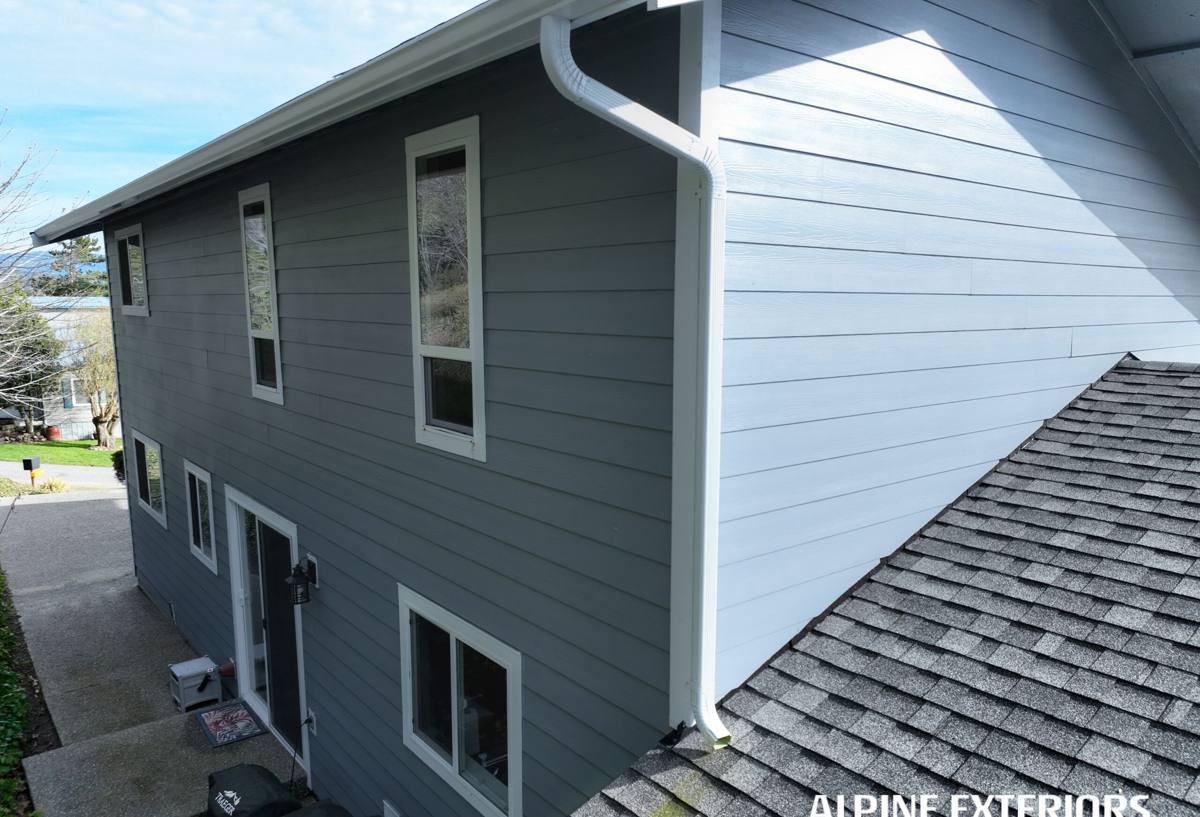
Homes on and around Cap Sante sit up on a bluff with clear exposure to Fidalgo Bay and the marina below. That position gives you some of the best views in Anacortes, but it also means your roof takes wind-driven rain and salt-laden air more directly than a house tucked into a sheltered inland lot. Salt air accelerates corrosion on exposed metal, driving rain finds its way into laps and seams that would stay dry in a calmer spot, and the shaded, moisture-heavy stretches of the year keep moss and algae established on north-facing slopes for months at a time. None of this means Cap Sante roofs are poorly built — it means they need repair work that accounts for where they actually sit, not a generic patch job.
We've worked on enough roofs in this part of Skagit County to know the difference between a leak that's a nuisance and one that's already done structural damage underneath. Roof repair here isn't just about stopping a drip — it's about understanding why that drip started in the first place and fixing the actual cause.
Why Salt Air, Rain, and Moss Hit This Neighborhood Differently
Salt Air and Metal Fatigue
Any exposed metal on a roof — flashing, fasteners, gutter hardware, vent caps — corrodes faster near the water. Salt-laden moisture settles into hairline gaps and joints, and over years that corrosion can eat through galvanized coatings and weaken metal that's supposed to be keeping water out. On a bluff-top property like the ones around Cap Sante, we expect to see accelerated wear on flashing and fasteners well before the shingles or roofing material themselves are due for attention.
Driving Rain and Wind-Loaded Water
Anacortes gets plenty of rain that falls more or less straight down, but exposed sites also catch rain that's being pushed sideways by wind coming off the water. Wind-driven rain behaves differently than a normal downpour — it can work its way up under shingle laps, around chimney flashing, and into vent boots that would handle vertical rain just fine. Repairs on exposed roofs need to account for that lateral pressure, not just standard drainage.
A Long Moss Season
Western Washington's wet, mild winters and shoulder seasons give moss and algae a long window to take hold, and shaded north- and east-facing roof planes near mature trees hold moisture even longer. Moss isn't just cosmetic — its root structure lifts shingle edges, holds water against the roofing material, and speeds up the exact kind of granule loss and wood rot that eventually turns into a leak.
Common Repair Issues We Find on Cap Sante Roofs
- Corroded or lifted flashing around chimneys, skylights, and roof-to-wall transitions
- Moss and algae growth on shaded slopes, with associated granule loss on composition shingles
- Wind-lifted or cracked shingles along ridge lines and exposed edges
- Clogged or corroded gutters and downspouts contributing to fascia and soffit rot
- Failed pipe boots and vent seals letting moisture into the attic
- Soft or discolored decking discovered once shingles are pulled back for inspection
What a Correct Roof Repair Actually Involves
A repair that's done right starts with finding the real source of the problem, not just the spot where water is showing up inside the house. Water often travels along the underlayment or decking before it drips through the ceiling, so the visible stain and the actual entry point can be several feet apart. We start every repair with a physical inspection of the roof surface — not just a look from the ground — to trace the leak back to its source.
Once we know what's actually failing, the repair has to match the cause. Replacing a handful of shingles over a rotted section of decking will look fine for a season and then fail again. Caulking over failed flashing instead of replacing it does the same thing. A correct repair addresses the layer that's actually compromised, whether that's the flashing, the underlayment, the decking, or the shingles themselves.
Signs the Underlying Structure Needs Attention, Not Just a Patch
- Sagging or spongy roof deck when walked on
- Daylight visible through the roof from inside the attic
- Water staining that spreads or reappears after a previous patch
- Musty odor or visible mold in the attic space
- Granules collecting heavily in gutters, signaling advanced shingle wear
Our Roof Repair Process
- Inspection. We get on the roof (or use a safe vantage point when access is limited) to physically check flashing, seams, vents, and the general condition of the roofing material — not just estimate from photos or a driveway view.
- Diagnosis. We trace any leak to its actual entry point and check the decking underneath for soft spots or rot before recommending a fix.
- Honest scope. We tell you plainly whether this is a targeted repair, a larger repair covering a section of the roof, or a case where repair no longer makes sense compared to replacement.
- The repair itself. Depending on what we find, this may mean replacing flashing, rebuilding a section of decking, installing new shingles matched as closely as possible to your existing roof, or resealing and re-securing vents and penetrations.
- Follow-up check. We confirm the repair is holding and flag any other areas worth watching, especially on roofs with moss or corrosion in more than one spot.
Repair vs. Replacement: How We Help You Decide
Not every roof problem needs a full replacement, and not every leak can be fixed with a patch. The right call depends on the age of the roof, how much of it is affected, and what condition the decking is in underneath. Here's how we think through it:
| Factor | Favors Repair | Favors Replacement |
|---|---|---|
| Roof age | Under roughly 15 years, or well-maintained composition roof | Approaching or past manufacturer's expected lifespan |
| Extent of damage | Localized — one flashing area, one section of shingles | Spread across multiple slopes or recurring in new spots |
| Decking condition | Solid, no rot found on inspection | Soft, rotted, or delaminated in multiple areas |
| Moss/algae history | Recent, surface-level growth | Long-term growth that's already lifted shingle edges roof-wide |
| Granule loss | Minimal, isolated to older repair areas | Heavy and widespread, shingles visibly balding |
We'll give you a straight answer based on what we actually find, not a default recommendation either direction.
Materials and Fasteners We Use for This Kind of Exposure
For roofs in salt-air, high-wind locations, we pay close attention to the metal components — flashing, drip edge, fasteners — because those are what tend to fail first here. We use corrosion-resistant flashing and fastener materials suited to coastal exposure rather than the minimum-grade hardware that might be fine further inland. On the shingle or roofing material side, we match repairs to your existing roofing as closely as possible so the patch blends in and performs consistently with the surrounding material, and we install according to manufacturer specifications so any remaining warranty coverage on the rest of the roof isn't put at risk by an improper repair.
Keeping Moss and Algae From Undoing the Repair
A repair is only as good as the maintenance that follows it. Given how long moss season runs in this part of Skagit County, we recommend a periodic check of shaded roof slopes — especially after fall leaf-drop and before the wettest months set in. Manual moss removal (not pressure washing, which can strip granules and force water under shingles) combined with keeping gutters clear so water isn't sitting against the roof edge goes a long way toward protecting the work we've just done. If a roof has chronic moss problems, zinc or copper control strips near the ridge can help slow regrowth on future maintenance cycles.
Why It Matters to Hire a Crew That Already Works This Area
A roofer who mainly works inland doesn't necessarily think about wind-driven rain patterns, salt corrosion timelines, or which slopes hold moss longest on an exposed, elevated site — because they don't run into it as often. Working regularly around Anacortes and the water-facing parts of Skagit County means we're used to diagnosing these specific failure patterns instead of relearning them on your roof. That translates into fewer repeat visits and a repair that's built for the conditions your house is actually sitting in, not generic conditions.
If you're dealing with a leak, missing shingles, moss buildup, or just want an honest opinion on the condition of your roof, we're happy to take a look. Request a free, no-pressure estimate using the form below — we'll tell you exactly what we find and what it would take to fix it right.