 Anacortes
 Roof Repair Built for Guemes Island's Conditions
Guemes Island sits right in the path of Rosario Strait weather, which means roofs here take a different kind of beating than roofs a few miles inland in Anacortes proper. Salt-laden air moves off the water and settles on every exposed surface, driving rain comes in sideways during winter storms, and the tree cover that gives the island its character also keeps roofs shaded and damp for long stretches of the year. That combination shortens the life of flashing, fasteners, and shingles faster than most homeowners expect.
Roof repair out here isn't just a smaller version of a mainland job. It has to account for corrosion-prone metals, moisture that doesn't dry out quickly under tree canopy, and the practical reality that getting a crew and materials to the island takes planning. This page covers what Guemes Island roofs actually need, what a correct repair looks like, and how we handle the logistics so the job gets done right the first time.
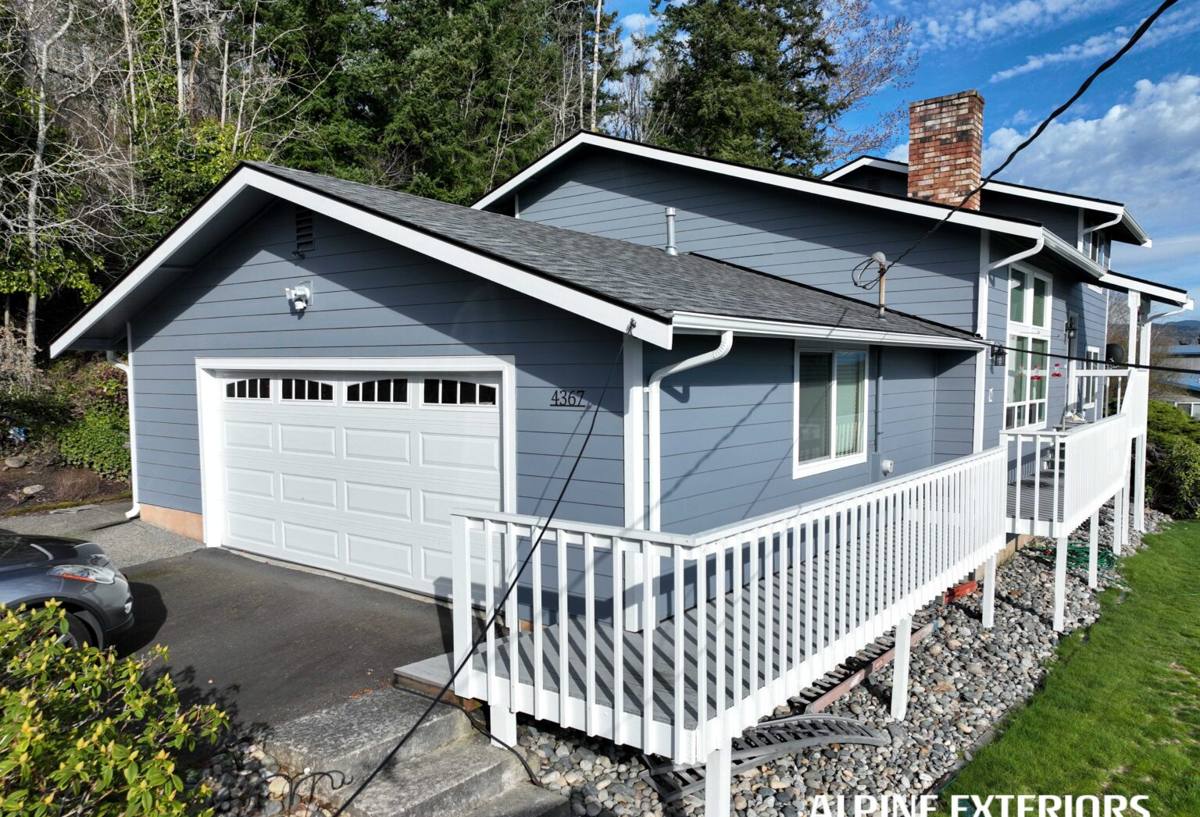
What Skagit County's Marine Climate Does to a Roof
Salt Air and Corrosion
Airborne salt is abrasive and chemically aggressive toward metal. On Guemes Island, that means exposed fasteners, drip edge, flashing, and any unprotected metal components corrode faster than the same materials would inland. Once a fastener starts to rust, it loses grip and can back out or leave a path for water to track underneath the roofing material. We look closely at metal condition on every repair call here, because a roof that looks fine from the ground can have flashing that's already failing at the seams.
Driving Rain and Wind Exposure
Because the island is surrounded by open water, wind-driven rain hits roofs at angles that don't show up as often on more sheltered inland properties. Wind-blown rain finds its way under lifted shingle tabs, around poorly sealed penetrations, and into any gap in flashing that would otherwise stay dry in a straight-down rain. Repairs on Guemes Island need to assume water will be pushed sideways at some point during the winter, not just falling straight down.
Moss and Shade
A lot of Guemes Island homes sit under mature evergreen cover, which is part of the appeal of living out here but is hard on a roof. Shade keeps roof surfaces damp long after a storm has passed, and that moisture is exactly what moss needs to establish. Moss holds water against the roofing material, works its way under shingle edges as it grows, and can lift tabs enough to create a leak path that wasn't there originally. Long moss seasons on the island mean this isn't a once-a-year problem — it's a maintenance item that needs regular attention.
Signs a Guemes Island Roof Needs Repair
Most roof problems out here start small and get worse quietly, especially under moss or tree debris where they're hard to see from the ground. Watch for these signs:
- Moss growth thicker than a light green film, especially on north-facing slopes or under tree cover
- Granules collecting in gutters or at the base of downspouts
- Rust streaking below metal flashing or exposed fasteners
- Shingle tabs that look lifted, curled, or cracked at the edges
- Water stains on interior ceilings, especially near chimneys, skylights, or valleys
- Soft or spongy decking felt underfoot in the attic near roof edges
- Daylight visible through the roof deck from inside the attic
- Debris buildup in valleys that holds moisture against the roofing material
Any one of these on its own doesn't necessarily mean a full replacement is coming, but it does mean the roof should be looked at before the next wet season.
Common Repair Issues on Guemes Island Homes
The specific repair a roof needs depends on what's failing and why. Here's how we typically see the most common issues break down out here:
| Issue | Typical Cause on Guemes Island | What the Repair Involves |
|---|---|---|
| Lifted or missing shingles | Wind-driven rain and storm exposure off the strait | Remove damaged shingles, inspect underlayment, replace in matching material, reseal tabs |
| Moss damage | Shade from tree cover and a long damp season | Careful moss removal, treatment, and repair of any shingle tabs lifted during growth |
| Flashing leaks | Salt-air corrosion at chimneys, valleys, and vent penetrations | Replace corroded flashing, re-seal penetrations, confirm proper water shedding |
| Fastener failure | Salt exposure corroding exposed nails or screws over time | Replace with corrosion-resistant fasteners rated for coastal use |
| Soft decking | Prolonged moisture intrusion under damaged roofing | Cut back to sound wood, replace decking, then re-roof the affected section |
What a Correct Repair Actually Involves
A roof repair that holds up on Guemes Island needs to do more than patch the visible problem. We treat every repair call as a chance to check the surrounding area, because damage caused by salt air and driving rain rarely stays contained to one spot.
- Inspection first. We look at the full roof, not just the reported problem area, including flashing, fasteners, and any moss or debris buildup that could be masking additional damage.
- Identify the water path. Leaks often show up inside the house far from where water is actually entering the roof. We trace the path before cutting into anything.
- Remove damaged material completely. Patching over compromised shingles, rotten decking, or corroded flashing just delays the same repair. We pull back to sound material.
- Match materials appropriately. Replacement shingles, flashing, and fasteners are chosen to hold up against salt exposure, not just to match color.
- Reseal and test. Every repair is sealed properly at seams and penetrations, with attention to how wind-driven rain will hit that section of roof.
- Address moss separately. If moss contributed to the damage, we deal with the moss itself and talk through prevention, not just the shingles it lifted.
Materials We Favor for Coastal Repair Work
For fasteners and flashing on island homes, we lean toward corrosion-resistant options rated for coastal or marine exposure rather than standard-grade hardware. It costs a little more up front, but standard fasteners in a salt-air environment can start showing rust within a few years, which just means paying for the same repair twice. We'll walk through the options and trade-offs for your specific roof rather than assuming one answer fits every job.
Repair or Replace? Cost Factors to Weigh
Not every roof problem on Guemes Island calls for a full replacement, but knowing when repair stops making sense matters for your budget. Here's a general framework:
| Factor | Favors Repair | Favors Replacement |
|---|---|---|
| Age of roof | Under 15 years, otherwise sound | Approaching or past expected lifespan for the material |
| Extent of damage | Isolated to one section or penetration | Spread across multiple slopes or recurring in the same areas |
| Decking condition | Solid, no soft spots found | Widespread soft or rotted decking |
| Moss history | First occurrence, caught early | Chronic moss returning year after year despite treatment |
| Frequency of repairs | First call in several years | Third or fourth repair call in a short span |
We'll always tell you honestly which side of that line your roof falls on. A repair that's going to need a follow-up repair in a year isn't doing you any favors, and we'd rather say so upfront than let a small job become several small jobs.
Why It Matters to Hire a Crew That Already Works Guemes Island
Getting to Guemes Island means working around the ferry schedule, which shapes how a repair job gets planned. A crew that hasn't worked the island before may underestimate how much that affects timing — loading materials, coordinating crew arrival, and making sure everything needed for the job is on hand before the ferry leaves, since a forgotten part isn't a quick trip back to the truck.
There's also a practical advantage to a crew that's seen how island-specific conditions play out on real roofs: which slopes tend to hold moss longest, where salt exposure hits hardest depending on which direction a house faces, and how tree cover on a given property affects drying time after a storm. That familiarity means less guesswork and a repair plan built around how your specific roof actually behaves, not a generic approach copied from inland jobs.
Questions Worth Asking Any Contractor Before Hiring
- Have you worked on Guemes Island before, and do you understand the ferry logistics involved?
- Are you licensed and insured to work in Skagit County?
- What corrosion-resistant materials do you use for fasteners and flashing in coastal conditions?
- Will you inspect the full roof or just the reported problem area?
- What's your plan if the repair uncovers additional damage once you're into it?
After the Repair: Keeping Moss and Salt Damage From Coming Back
A repair is only as good as what happens to the roof afterward. On Guemes Island, that mostly comes down to two things: staying ahead of moss and keeping an eye on metal components.
Trimming back overhanging branches where practical helps roof surfaces dry out faster after rain, which slows moss regrowth. Periodic moss treatment on shaded slopes, done before growth gets heavy, is far less disruptive than dealing with lifted shingles later. And because salt air doesn't stop working on exposed metal just because a repair was completed, it's worth having flashing and fasteners checked during any routine gutter cleaning or exterior maintenance, rather than waiting for a leak to show up inside the house.
Get a Straight Answer on Your Guemes Island Roof
If you're dealing with a leak, missing shingles, heavy moss, or you just want a second opinion before winter storms roll in off the strait, we're happy to take a look. We'll give you a clear, honest read on what your roof actually needs — repair, monitoring, or something more — with no pressure either way. Reach out for a free estimate using the form below.