 Anacortes
 Windows Built for Sedro-Woolley's Skagit Valley Climate
Sedro-Woolley sits up the Skagit River valley, far enough inland that it doesn't take the same direct salt air as homes right on Fidalgo Island, but it shares almost everything else about western Skagit County's weather: long stretches of driving rain off the marine systems that roll through Anacortes and the Sound, a damp season that can stretch from October into May, and the kind of persistent moisture that keeps moss, algae, and mildew active on anything that stays wet too long. Add in the valley's own quirks — colder winter nights than the coast, morning fog that settles low along the river, and bigger day-to-night temperature swings than you'll see out on the water — and you get a climate that is genuinely tough on windows, just in a slightly different way than it is a mile from saltwater.
Old single-pane or early-generation double-pane windows in this area tend to show it: fogged glass between the panes, drafts you can feel standing next to the frame, condensation pooling on the sill every cold morning, and wood trim that's started to soften or grow moss where water has been sitting instead of shedding. Energy-efficient window replacement here isn't just about a lower heating bill, though that's real. It's about stopping the slow water damage that a marginal window invites in a place where it rains sideways as often as it rains straight down.
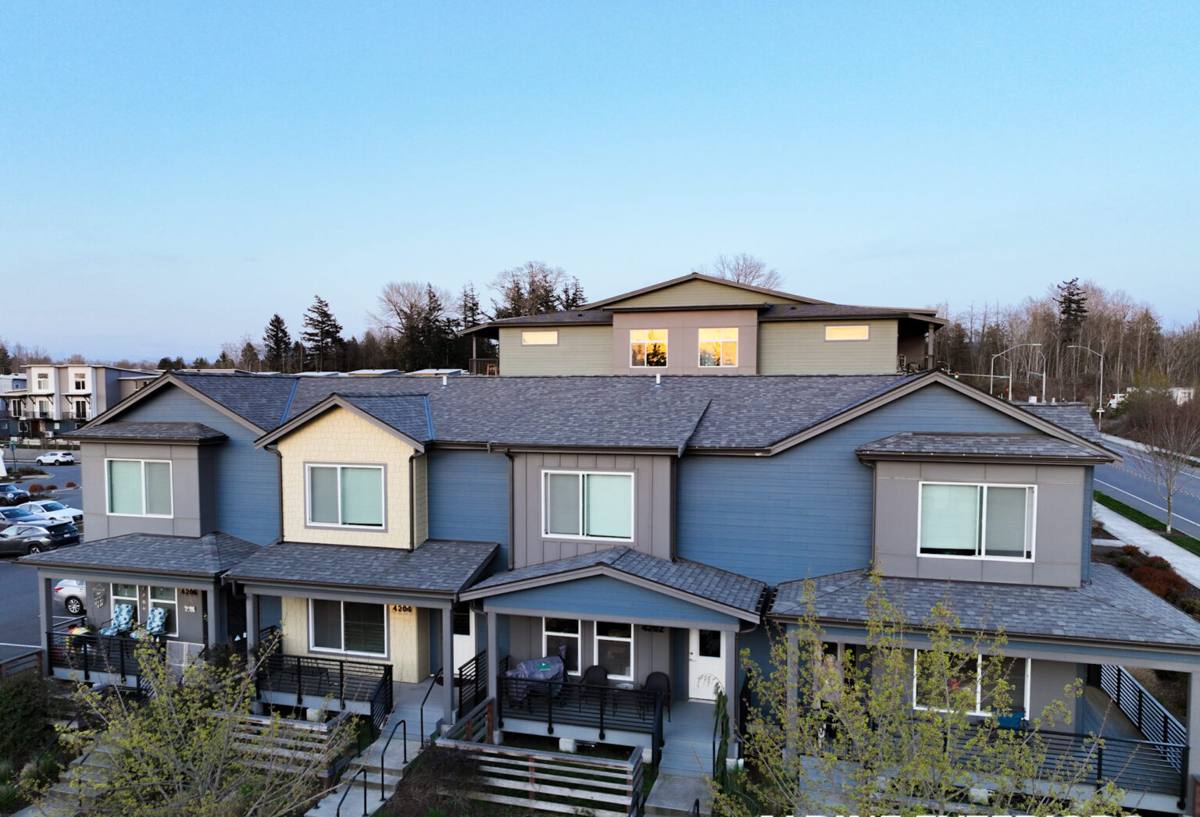
What "Energy-Efficient" Actually Means for a Skagit Valley Home
The term gets used loosely, so it's worth being specific about what actually matters for a house in this part of Washington.
U-Factor: How Much Heat Escapes
U-factor measures how well a window keeps heat inside during our cold, damp winters. Lower is better. In a valley climate like Sedro-Woolley's, where nighttime temperatures drop more than they do right on the coast, a low U-factor window pays for itself faster than in a milder coastal spot — you're fighting a bigger temperature difference more often.
SHGC: Solar Heat Gain
Solar heat gain coefficient matters less here than in sunnier climates, but it's not irrelevant — south- and west-facing rooms still pick up real heat on clear days, and a moderate SHGC keeps those rooms from swinging too hot in summer while still letting in welcome light during our gray months.
Condensation Resistance
This is the rating homeowners in Skagit County underrate the most. Between the valley's humidity and the temperature swings between a warm living room and a cold, wet night outside, poorly rated windows fog and sweat on the interior glass. That moisture doesn't just annoy you — it feeds mildew growth on sills and trim over time.
Air Infiltration
How much air leaks through the frame and sash. A tight rating matters for comfort and for keeping wind-driven rain from finding its way past the glass during a real Pacific Northwest storm.
Frame Materials: What Holds Up in This Climate
The glass package gets most of the attention, but the frame material is what determines how the window ages over 15, 20, or 30 years of Skagit Valley weather.
| Frame Material | Moisture Behavior | Maintenance | Typical Lifespan |
|---|---|---|---|
| Vinyl | Won't rot or corrode; seams are the main watch point | Low — occasional cleaning | 20–30 years |
| Fiberglass | Excellent — expands/contracts with glass, resists moisture-driven warping | Low | 30+ years |
| Wood / Wood-Clad | Attractive but vulnerable if cladding or finish fails and water gets to the core | Higher — finish upkeep, especially on rain-facing walls | Varies widely with maintenance |
| Aluminum | Conducts cold and can condense heavily unless thermally broken | Low | 20–25 years |
We generally steer homeowners toward vinyl or fiberglass for this climate, not because wood or aluminum are bad products, but because our professional standard prioritizes frames that stay dimensionally stable and moisture-resistant without requiring a maintenance schedule most people don't have time to keep up with. If a wood-clad window is important to you for a specific look, we'll talk through the tradeoffs honestly rather than just steering you away.
Double-Pane vs. Triple-Pane: Is Triple Worth It Here?
| Factor | Double-Pane (Low-E, Argon) | Triple-Pane |
|---|---|---|
| Insulation value | Solid for our climate zone | Noticeably better, especially on cold valley nights |
| Condensation resistance | Good with proper Low-E coating | Best available |
| Cost | Lower upfront | Meaningfully higher, especially in larger openings |
| Weight | Standard — easier on older window frames | Heavier — worth confirming your opening and hardware can handle it |
| Best fit | Most Sedro-Woolley homes | North-facing rooms, homes right along the river bottom, or owners prioritizing max efficiency |
For most homes in and around Sedro-Woolley, a quality double-pane window with Low-E coating and argon gas fill hits the right balance of performance and cost. Triple-pane makes the most sense in specific situations — a consistently cold, damp room, a north-facing wall that never sees direct sun, or a homeowner who's already decided to prioritize long-term energy savings over upfront cost. We'll tell you honestly which category your project falls into rather than upselling triple-pane across the board.
Signs Your Current Windows Are Past Their Job
- Fogging or a hazy film between the panes — the seal has failed and the gas fill is gone
- Condensation on the inside of the glass most mornings, especially in winter
- Visible moss, algae, or dark staining on the sill or lower frame
- Drafts you can feel near the frame even with the window latched
- Wood trim around the window that's soft, swollen, or peeling
- Difficulty opening, closing, or locking — frames can warp with moisture over time
- A noticeable jump in heating costs without another clear cause
What a Correct Installation Actually Involves
The window itself only does half the job — the other half is how it's installed, and in a climate where wind-driven rain is a regular occurrence, this is where a lot of problems actually start. A correct job includes:
- Careful removal of the old window with attention to what the opening looks like underneath — this is often the first real look at whether past water intrusion has affected the framing
- Repair of any rot, soft framing, or water-damaged sheathing found during removal, addressed before the new window goes in, not covered over
- Proper flashing integration with the house's existing weather-resistive barrier, so water is directed out and down, not trapped behind the trim
- Correct sealant and backer rod placement at the perimeter, sized for real gaps rather than caulked over as an afterthought
- Shimming and leveling so the window operates properly and the seal isn't stressed unevenly over time
- Interior and exterior trim work finished to shed water, not collect it
Skipping any of these steps is how a brand-new, high-efficiency window ends up with a moisture problem behind the wall within a few wet seasons. The window's rating on paper doesn't matter much if the installation lets rain get behind it.
Our Process for a Sedro-Woolley Window Project
1. On-Site Assessment
We walk the exterior and interior of your home, check existing window condition, look for signs of past water intrusion, and talk through which rooms are the biggest priority — often the ones facing prevailing weather or sitting closest to the river bottom where dampness lingers longest.
2. Product Selection
Based on that assessment, we recommend frame material, glass package, and pane count suited to each specific opening — not a one-size answer for the whole house.
3. Measurement and Ordering
Precise measurements matter for a tight, correctly sealed fit. We order to the actual opening, not a standard size.
4. Removal, Inspection, and Repair
Old windows come out carefully, framing gets inspected, and any water damage is repaired before anything new goes in.
5. Installation and Weatherproofing
New windows are set, flashed, sealed, and trimmed to shed water correctly for the long term.
6. Walkthrough and Cleanup
We confirm every window operates smoothly, walk you through anything you should know, and leave the site clean.
Why Hiring a Crew That Already Works Sedro-Woolley Matters
Skagit County's building requirements, and the difference between working inside Sedro-Woolley city limits versus unincorporated county areas nearby, aren't always obvious to an out-of-area crew. A contractor who already works this part of the county knows what documentation a project needs, knows what "normal" wear looks like on a 20-year-old Skagit Valley window versus something that signals a bigger underlying issue, and isn't guessing at how the local climate should shape a product recommendation. That local pattern-recognition is worth more than it sounds like — it's the difference between a crew that installs windows and a crew that installs windows that are still performing well a decade from now, in this specific climate, on this specific kind of home.
If your windows are fogging, drafty, or just old enough that you're wondering whether it's time, we're happy to take a look and give you an honest read on what your home actually needs — no pressure, no upsell, just a straight assessment. Reach out for a free estimate using the form below.