 Anacortes
 Siding Built for How Sedro-Woolley Actually Weathers
Sedro-Woolley sits inland from the Salish Sea, but that doesn't mean the climate goes easy on a house. Skagit County gets long stretches of driving rain off the water, heavy tree cover that keeps roofs and siding shaded and damp for days at a time, and a moss season that can run from late fall well into spring. Add in the humid marine air that pushes inland on weather systems, and you have a climate that's less about any single dramatic event and more about slow, steady moisture pressure, year after year, on whatever is covering the exterior walls.
That combination is hard on siding that isn't built or installed to handle it. Wood-based products absorb moisture and swell. Moss and algae take hold on shaded north and east walls and hold water against the surface longer than it would otherwise sit there. Paint and caulk lines that aren't detailed correctly become the entry point for rot that you don't see until it's already spread into the sheathing. None of this is unique to Sedro-Woolley, but it's a bigger factor here than in drier parts of the state, and it should shape how a siding job gets planned and installed.
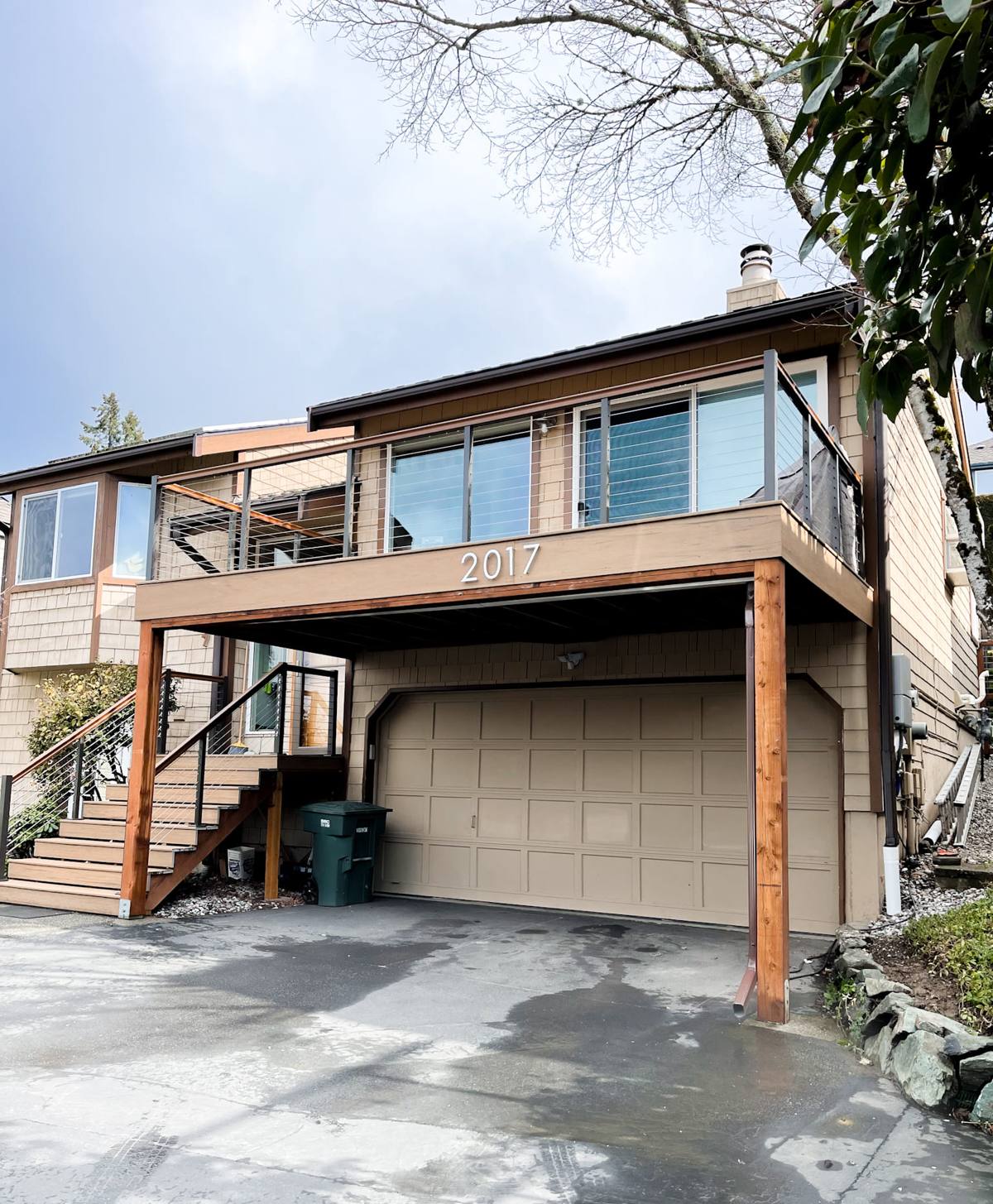
What "Correct" Actually Means on a Siding Installation
Siding installation is often talked about like it's just a matter of covering the walls, but the siding itself is the least important part of keeping water out of a house. The layers underneath and the details around openings do most of the work. A correct installation in this climate includes:
- A continuous, properly lapped weather-resistive barrier (housewrap) with no gaps, tears, or shortcuts at seams
- Correct flashing at every window, door, and roof-to-wall intersection, installed shingle-style so water is always directed outward and down
- Proper clearance between the bottom edge of the siding and the ground, roofline, decks, and patios, so splash-back and standing moisture don't sit against the material
- Fastener placement and spacing that matches the manufacturer's specification for the wind and exposure zone, not just "close enough"
- Caulking only where the manufacturer calls for it, with the right sealant, rather than caulking every seam as a catch-all
Skip any one of these and the siding can look fine for a few years while moisture is already working its way in behind it. That's the failure pattern we see most often on older homes in this area: the siding face looks reasonable from the street, but the felt, wrap, or sheathing behind it has been wet for a long time.
Why This Matters More in Skagit County Than in Drier Climates
In a dry climate, a flashing shortcut might never get tested. Here, it gets tested every winter. The margin for error is smaller, which is exactly why installation detail matters more than which brand of siding gets hung on the wall.
Why We Only Install James Hardie Fiber Cement
We install James Hardie fiber cement siding exclusively. We don't install vinyl, LP SmartSide or other engineered wood products, Cemplank, Allura, or primed spruce or cedar siding. That's a deliberate standard, not a lack of options, and it's worth explaining honestly.
Wood and engineered-wood siding products can perform well when detailed and maintained perfectly, but they depend on paint film integrity and consistent upkeep to stay ahead of moisture. In a climate with this much sustained dampness and moss pressure, that margin for maintenance error shrinks fast. Vinyl is low-maintenance and inexpensive, but it can warp under direct heat exposure, becomes brittle with age, and its seams and lap joints give moisture more places to get behind the material over time. Other fiber cement brands are reasonable products, but James Hardie is the one we've standardized our crews, training, and warranty process around, and consistency across every job is part of how we keep quality control tight.
James Hardie fiber cement is non-combustible, holds paint far longer than wood-based sidings because it doesn't expand and contract with moisture the same way, and comes with a factory-applied ColorPlus finish baked on under controlled conditions rather than field-painted after installation. For homes in this part of Washington, Hardie also makes an HZ10 product line specifically engineered for cold, wet, high-moisture climates like ours, which is a meaningfully different specification than what gets sold in the drier HZ5 zones of the country.
HZ5 vs. HZ10: Why the Distinction Matters Here
| Factor | HZ5 | HZ10 (Pacific Northwest) |
|---|---|---|
| Designed for | Moderate, drier climate zones | Cold, wet, high-moisture climates |
| Moisture resistance engineering | Standard formulation | Enhanced for sustained rain and humidity exposure |
| Where it's typically sold | Southern and central U.S. regions | Washington, Oregon, and similar coastal/marine zones |
| Relevance to Sedro-Woolley | Not the correct specification | Matches our actual weather exposure |
Comparing Siding Options Homeowners Ask About
Homeowners in Sedro-Woolley frequently ask us to weigh in on products we don't install, and we'd rather give a straight answer than dodge the question.
| Material | Moisture Behavior | Fire Resistance | Maintenance | Typical Lifespan |
|---|---|---|---|---|
| Vinyl | Doesn't absorb water, but seams and edges allow moisture behind panels; can warp with heat | Low | Low, but limited repair options once damaged | 20-30 years, variable |
| LP SmartSide / engineered wood | Absorbs moisture at cut edges and damaged paint; needs prompt repainting/caulk upkeep | Moderate | Moderate to high | 15-30 years, maintenance-dependent |
| Cedar / primed spruce | Natural material, absorbs and releases moisture; prone to swelling, cupping, and rot without diligent upkeep | Low | High | Highly variable, often 15-25 years |
| James Hardie fiber cement | Dimensionally stable, engineered for moisture-heavy climates (HZ10) | Non-combustible | Low | Decades, with strong transferable warranty backing |
Our Installation Process on a Sedro-Woolley Home
- On-site assessment — we walk the exterior, check existing siding, trim, flashing, and look for signs of past moisture intrusion, particularly on shaded or north-facing walls where moss tends to establish first
- Tear-off and substrate check — old siding comes off and we inspect the sheathing underneath for rot or soft spots before anything new goes up
- Weather barrier and flashing repair or replacement — this is the step that actually keeps water out, and we don't shortcut it to save time
- Hardie installation to manufacturer specification — correct fastener spacing, clearances, and joint treatment for our wind and moisture exposure
- Trim, caulking, and touch-up — finished with the ColorPlus touch-up process so color match at seams and cuts holds up over time
- Final walkthrough and cleanup — site cleared of debris, nails, and old material before we consider the job done
What We Commonly Find on Older Homes in This Area
A lot of the siding work we do in Sedro-Woolley isn't a homeowner choosing to upgrade for looks — it's a homeowner who noticed a soft spot, a paint failure that keeps coming back, or moss buildup that won't stay ahead of pressure washing. The most common issues we run into:
- Moss and algae holding moisture against shaded walls long enough to soften the material underneath
- Missing or poorly lapped flashing above windows and doors, found only once the old siding comes off
- Rot at the bottom edge of walls where siding was installed too close to grade, decking, or roof lines
- Paint failure on wood-based siding that keeps recurring every few years no matter how well it's maintained
- Caulk used as a substitute for proper flashing, which fails and traps water once it cracks
None of these are dramatic failures at first. They're slow, and that's what makes them expensive if they go unaddressed for years.
What Drives the Cost of a Siding Installation
| Factor | Why It Matters |
|---|---|
| Home size and wall square footage | Directly drives material and labor quantity |
| Tear-off and substrate repair needed | Rot or moisture damage found underneath adds repair scope |
| Trim and accessory complexity | Corner boards, window trim, and architectural detail add labor time |
| Siding profile chosen | Lap siding, shingle-style panels, and board-and-batten each install differently |
| Access and stories | Multi-story homes or difficult site access affect scaffolding and labor |
| Color and finish selection | Factory ColorPlus finishes vary slightly in cost by line and color |
Why It Matters That We Already Work in Sedro-Woolley
A crew that already works this part of Skagit County knows what the moisture patterns look like on a typical house here, knows which wall orientations tend to hold moss, and isn't guessing at local permitting or inspection expectations. That familiarity shows up in small decisions during a job — where to add extra flashing attention, which details are worth the additional time — that a crew unfamiliar with the area might not think twice about. It also means we're not disappearing after the job is done; warranty and follow-up service are easier when the same local crew that installed it is still working nearby.
After Installation: Keeping Fiber Cement Siding Performing
James Hardie siding is low-maintenance, not no-maintenance. A short seasonal routine keeps it performing the way it's designed to:
- Rinse siding annually, especially shaded walls prone to moss and algae buildup
- Keep gutters clear so overflow doesn't run down the wall face repeatedly
- Trim back vegetation and tree limbs that keep walls shaded and damp
- Check caulk lines at trim and penetrations every year or two and have any cracked sealant redone
- Address any impact damage promptly rather than letting it sit exposed
If your Sedro-Woolley home has siding that's showing its age, or you're planning ahead before a small problem becomes a bigger one, we're happy to take a look and walk you through what we'd actually recommend. The estimate is free, there's no pressure, and you can use the form below to get started.