 Anacortes
 Window Replacement for Sedro-Woolley Homes
Sedro-Woolley sits inland along the Skagit River, far enough from the water that it doesn't get the direct salt exposure a coastal Anacortes home deals with — but it makes up for that with its own set of problems. The Skagit Valley traps moisture. Rain sits longer, humidity runs higher between the river and the surrounding timberland, and the tree cover that makes this area beautiful also means more shade, more standing moisture, and a moss season that runs longer than most homeowners expect. Windows here don't fail because of salt corrosion — they fail because water finds a way in and never fully dries out.
That distinction matters when you're choosing a window and a contractor. A window system built to shrug off wind-driven coastal spray isn't necessarily the same priority list as one built to handle constant valley humidity, seasonal condensation, and wood-rot-friendly shade. We work both sides of Skagit County, so we size the job to the actual conditions at your address, not a generic "Pacific Northwest" spec sheet.
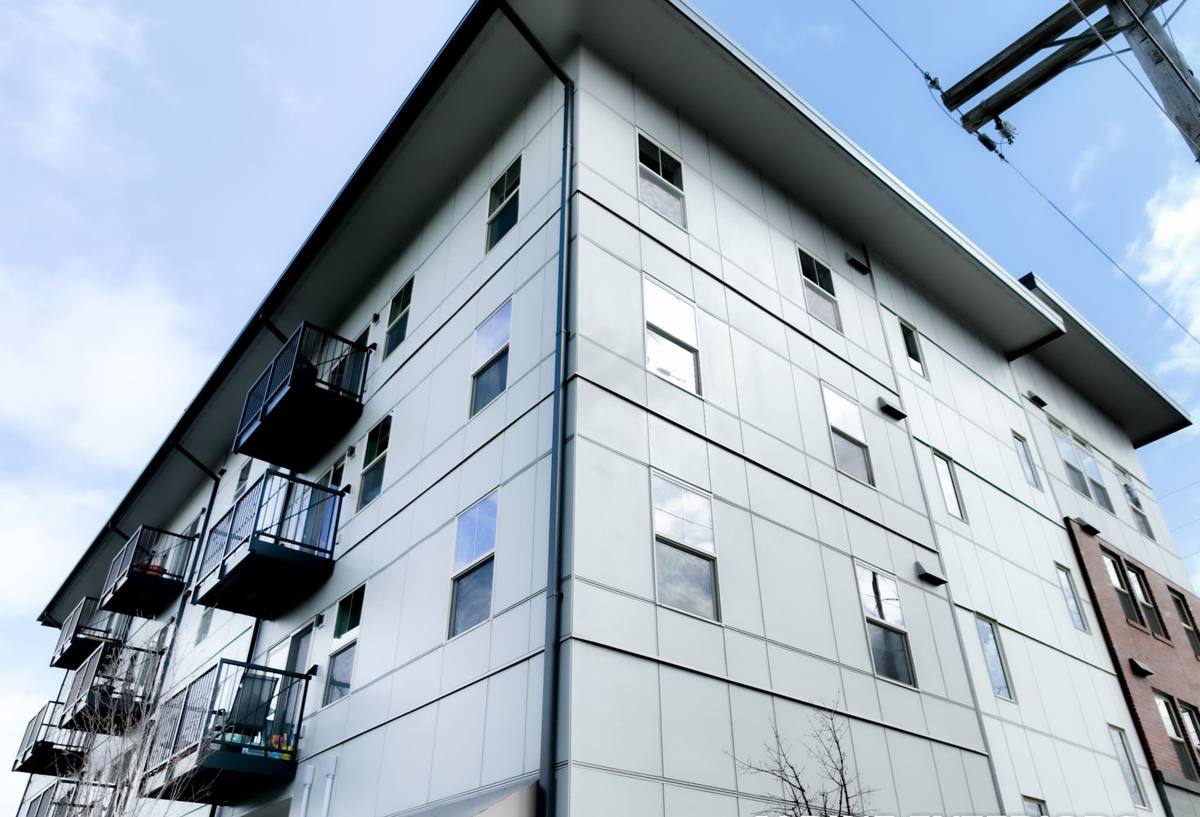
How the Climate Actually Wears Down Windows Here
Driving rain and prolonged dampness
Sedro-Woolley gets plenty of the same driving, wind-pushed rain that hits the rest of Skagit County. Combined with the valley's slower drying time, water has more opportunity to work into gaps around older frames, sills, and trim before the next dry stretch arrives. Once moisture gets behind a window's flashing or into the framing around it, it tends to stay there.
Moss and organic growth
Shaded lots, older tree canopy, and north-facing walls around here grow moss and algae readily — not just on roofs, but on window sills, trim, and cladding nearby. Moss holds moisture against wood and paint long after the rain stops, which accelerates rot at the exact points where a window meets the wall.
Temperature swings and condensation
Summers in the valley can run warmer and drier than the coast, while winters stay damp and cold. That swing stresses seals and puts failing double-pane units through more expansion and contraction, which is often what pushes a borderline window from "fine" to "fogging between the panes."
Signs a Sedro-Woolley Home Needs New Windows
- Fogging or a milky haze between the panes — the seal has failed and the gas fill or air gap is compromised
- Soft, spongy, or discolored wood at the sill, jamb, or trim — usually a sign moisture has already reached the framing
- Windows that are hard to open, close, or lock — frames can swell, warp, or settle out of square
- Noticeable drafts or a cold wall around the window frame in winter
- Visible moss or dark streaking building up on the sill or nearby trim
- Rising heating bills with no other explanation
- Condensation forming on the inside of the glass regularly, even in mild weather
Any one of these on its own isn't necessarily an emergency. Several of them together, especially on the same window, usually means the unit is past the point where caulk and weatherstripping will fix it.
What a Correct Window Replacement Job Involves
Window replacement done right is mostly about what happens before the new window ever goes in. The window itself is a manufactured product — the installation is where local moisture problems get solved or get built in for another decade.
- Full removal and inspection — pulling the old unit out completely so the surrounding framing, sheathing, and sill can actually be seen and checked for hidden rot or soft wood
- Sill pan flashing — a sloped, sealed pan at the bottom of the rough opening that directs any water that does get past the window straight back outside instead of into the wall
- Proper integration with the water-resistive barrier — flashing tape and house wrap have to be layered in the right order (shingle-style, top over bottom) so water sheds down and out, not into a seam
- Correct shimming and squaring — an out-of-square install stresses the sash and seals from day one, which shortens the life of even a good window
- Low-expansion foam or backer rod and sealant at the gap — insulates without bowing the frame
- Exterior sealant and trim detail — the visible caulk line is the last defense, not the first, and it should be tooled cleanly so it actually sheds water instead of holding it
Skip any one of these steps and the window can look fine for a year or two before a leak shows up — usually inside a wall cavity, where it's already done damage by the time anyone notices.
Choosing a Frame Material for This Climate
There's no single "best" window material — there's a best fit for your home's exposure, budget, and how much upkeep you want to take on. Here's how the common options hold up in a damp, shaded, inland Skagit Valley setting:
| Material | Moisture Behavior | Maintenance | Typical Trade-Off |
|---|---|---|---|
| Vinyl | Won't rot, doesn't absorb moisture | Low — occasional cleaning | Can't be repainted; frame color is fixed for its life |
| Fiberglass | Very stable in moisture and temperature swings | Low | Higher upfront cost than vinyl |
| Wood (clad exterior) | Good if the exterior cladding stays intact; interior wood still needs a dry environment | Higher — clad seams and any exposed wood need monitoring | Best looks, but least forgiving of shaded, damp exposures if the exterior shell is ever compromised |
| Aluminum | Doesn't rot but conducts heat/cold and can condensate more without a thermal break | Low | Poorer insulating performance unless thermally broken |
On homes we work on around Sedro-Woolley — especially shaded lots or walls that don't get much direct sun — we lean toward vinyl or fiberglass more often than exposed wood, simply because they don't give moss and moisture a food source or an entry point. That's a maintenance-and-durability call, not a knock on wood windows generally; a well-built, well-maintained wood-clad window can last a long time on a wall with good sun exposure and airflow.
Glass Package Considerations
Double-pane, low-E glass is the standard baseline for this climate and handles the valley's temperature swings well. Triple-pane adds cost and weight for a modest efficiency gain — worth discussing for a north-facing wall or a room with a known cold-draft complaint, but not something every window in the house needs.
Our Process for a Sedro-Woolley Window Replacement
- On-site assessment — we look at each window individually, not just the house as a whole, since sun exposure and moisture load can vary wall to wall
- Honest scoping — we tell you which windows genuinely need replacement, which are still serviceable, and why
- Written estimate — materials, install detail, and timeline spelled out before any work starts
- Removal and opening inspection — old units come out, framing gets checked, and any rot or damage found gets flagged and addressed before the new window goes in
- Install with full flashing and sealing detail — sill pan, house wrap integration, shimming, and sealant, as described above
- Interior and exterior finish work — trim, caulking, and cleanup so the job looks finished inside and out
- Walkthrough — we go over the finished windows with you before we consider the job done
Why a Crew That Already Works Sedro-Woolley Matters
Window replacement isn't just a product installed to spec — it's a job that has to account for how a specific wall, on a specific lot, in a specific microclimate actually behaves. A crew that regularly works Skagit County homes has already seen which walls hold moisture, which framing details tend to hide rot, and how the local building department expects flashing and moisture barriers to be documented. That local repetition is what keeps a job from turning into a callback.
It also matters for timing. Window replacement goes faster and cleaner in a dry weather window, and knowing the rhythm of Skagit Valley weather — when the dry stretches typically show up, when they don't — helps us schedule work so open wall cavities aren't sitting exposed longer than necessary.
What Affects the Cost of a Window Replacement Project
| Factor | Why It Matters |
|---|---|
| Number of windows | Per-unit cost typically drops with a full-house or multi-window project versus a single replacement |
| Frame material | Vinyl, fiberglass, and wood-clad carry different material costs, as shown above |
| Window size and style | Large picture windows, bays, or custom shapes cost more than standard double-hung or slider sizes |
| Hidden framing damage | Rot found once the old window is out adds repair scope — this is the most common source of a mid-project cost change |
| Glass package | Standard double-pane low-E versus triple-pane or specialty coatings |
| Access and site conditions | Second-story windows, tight lot access, or extensive trim work add labor time |
Costs for residential window replacement in this region commonly run from a few hundred dollars per window for a straightforward, standard-size swap, up into the low thousands per window for larger units, premium materials, or jobs where framing repair is needed. Anyone quoting a firm number without seeing the windows in person is guessing — a proper estimate starts with an on-site look.
Before You Hire: A Practical Checklist
- Ask whether the estimate includes sill pan flashing and full moisture-barrier integration, not just the window unit
- Ask what happens if hidden rot is found once the old window is removed, and how that's priced
- Confirm whether permits are needed for your project and who's pulling them
- Get the warranty terms in writing — both the manufacturer's window warranty and the contractor's labor warranty
- Ask how many windows like yours (size, style, wall exposure) the crew has installed in this area
- Confirm cleanup and disposal of old windows is included
If your windows are fogging, drafty, hard to operate, or showing rot at the sill, it's worth getting a second set of eyes on them before another wet season goes by. We offer free, no-pressure estimates for Sedro-Woolley homeowners — use the form below to get one scheduled.