 Anacortes
 Windows Built for a Shoreline Neighborhood
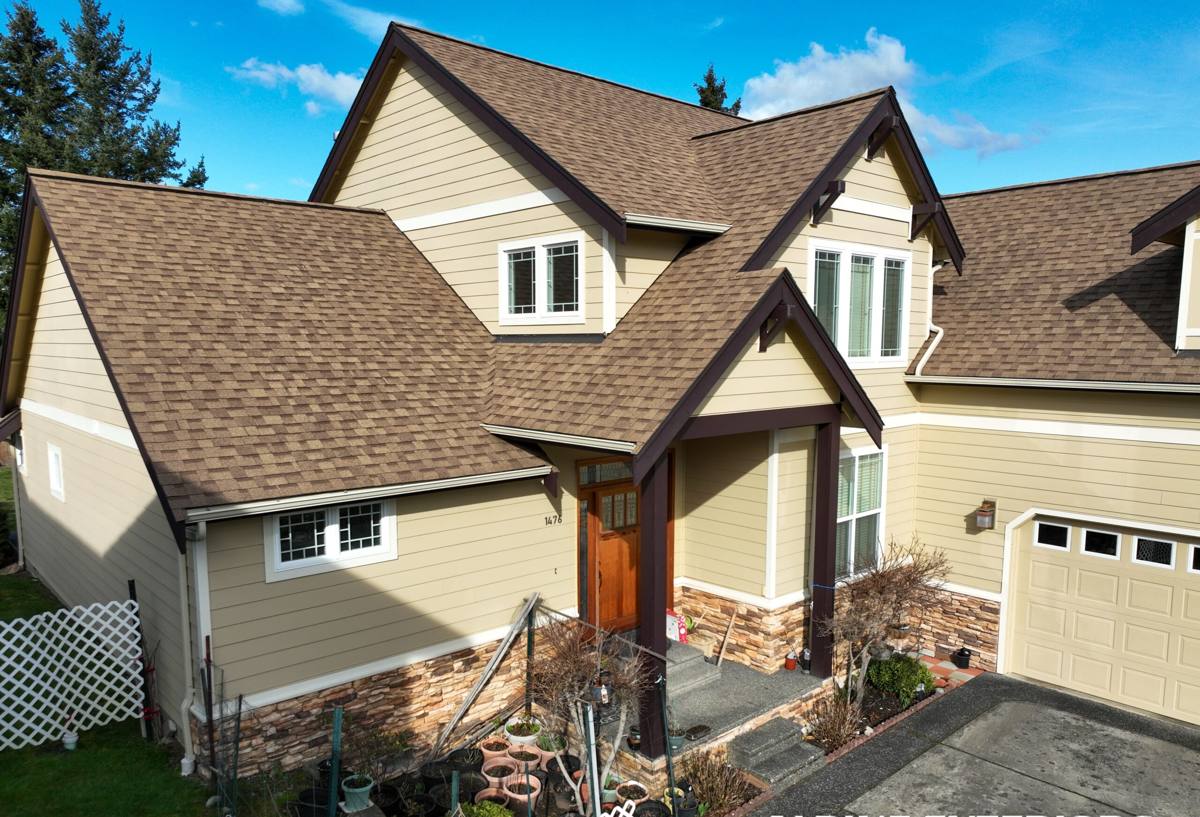
Ship Harbor sits close enough to the water that its homes deal with a different set of problems than a house ten miles inland in Skagit County. Salt-laden air, wind-driven rain off Rosario Strait, and a long, damp moss season put more stress on windows here than almost anywhere else in Anacortes. A window that would be fine in a dry inland climate can start failing early in a spot like this — hardware corrodes faster, seals break down sooner, and frames that trap moisture grow moss and algae within a couple of seasons.
Custom windows for a Ship Harbor property aren't about fancy shapes or oversized glass for its own sake. They're about matching the frame material, glass package, and installation details to what this specific microclimate actually does to a house over ten or twenty years. That's the whole focus of this page: what to look for, what a correct installation involves, and how we approach it as a crew that works this area regularly.
What Salt Air and Moss Season Actually Do to Windows
Corrosion on Hardware and Fasteners
Salt in the air isn't just a coastal cliché — it's an electrolyte that speeds up corrosion on anything metal. Cheap window hardware, exposed screws, and low-grade cranks or locks can start showing rust or pitting years before they would inland. Once hardware corrodes, windows stop closing tight, which lets in more moisture and defeats the whole point of replacing them.
Condensation and Trapped Moisture
Anacortes humidity, combined with temperature swings between a cold night and a milder day, pushes condensation to form on and inside window assemblies. If a window isn't properly vented and flashed, that moisture has nowhere to go. It sits in the frame, and that's exactly the environment moss, algae, and mildew need to take hold.
Moss and Algae on Frames and Sills
Skagit County's moss season isn't limited to roofs. On north-facing or shaded windows near tree cover, moss and green algae staining will creep onto sills, tracks, and even into weep holes if drainage isn't clear. Beyond looking bad, blocked weep holes mean water backs up instead of draining out, which accelerates rot in wood-frame windows and staining on vinyl or fiberglass.
Wind-Driven Rain Intrusion
Storms coming off the water don't just fall straight down — wind pushes rain sideways and up under trim and flashing that would stay dry in a calmer climate. Any gap in the flashing or sealant becomes a path for water to get behind the window and into the wall cavity, where it can sit unseen for months.
Choosing a Frame Material That Holds Up Here
There's no single "best" window material for every home — it depends on your budget, your home's exposure, and how much maintenance you're willing to keep up with. Here's how the common options actually perform in a salt-air, high-moisture setting like Ship Harbor.
| Material | How It Handles Salt Air & Moisture | Maintenance | General Cost Tier |
|---|---|---|---|
| Vinyl | Won't corrode or rot; performs well near the water when hardware is marine-rated | Low — occasional cleaning | Lower to mid |
| Fiberglass | Excellent dimensional stability, resists moisture and corrosion, holds paint well | Low to moderate | Mid to higher |
| Wood (unclad, painted) | Attractive but vulnerable to moisture intrusion and rot without diligent upkeep | High — regular painting/sealing | Mid to higher |
| Wood-clad (aluminum or fiberglass exterior) | Good compromise — protected exterior face, warm interior look | Moderate | Higher |
| Aluminum | Strong but conducts cold and can corrode without a quality coating | Moderate | Mid |
For most Ship Harbor homes, we lean toward vinyl or fiberglass with marine-grade hardware because they hold up to salt exposure with the least maintenance. That said, homes with strong architectural character sometimes call for a wood-clad option — we'll walk you through the real trade-offs for your specific house rather than pushing one material across the board.
Glass Packages and Hardware That Matter Near the Water
The frame is only part of the equation. What's inside the glass unit, and what the window closes with, matters just as much in this climate.
- Dual-pane with Low-E coating: Standard for this region — helps manage heat loss and reduces condensation buildup on interior glass during cold, damp stretches.
- Argon or krypton gas fill: Improves insulation between panes, which also helps reduce the temperature differential that drives condensation.
- Marine-grade or corrosion-resistant hardware: Stainless steel or coated hardware on locks, hinges, and cranks lasts significantly longer than standard-grade parts this close to the water.
- Quality weatherstripping: A tight, durable seal is what actually stops wind-driven rain from finding its way in — this is often where cheaper windows cut corners.
- Reinforced meeting rails and locks: Matters for storm exposure and for keeping a tight seal season after season, not just on install day.
Why the Installation Matters as Much as the Window Itself
Flashing Comes First
A great window installed with poor flashing will still leak. We integrate flashing with the home's existing weather-resistive barrier so water is directed out and away from the wall assembly, not just caulked over and hoped for.
Sealant Is a System, Not a Bead
Sealant around a window needs to work with the flashing, not replace it. We use sealants rated for exterior, marine-adjacent exposure, and we make sure weep holes and drainage paths stay clear so water that does get into the frame track has somewhere to go.
Proper Shimming and Fastening
A window that isn't shimmed level and square will bind, won't seal evenly, and puts uneven stress on the frame — all of which shorten its working life. This is basic craftsmanship, but it's the step that gets rushed on a bad job.
Our Process, Start to Finish
- On-site walkthrough: We look at each window's exposure — how much direct weather, wind, and shade it gets — since a south-facing window and a shaded north-facing window near tree cover often need different treatment.
- Material and glass selection: We go over frame material, glass package, and hardware options based on your home, budget, and how much maintenance you want to take on long-term.
- Written estimate: Clear scope, materials, and timeline before any work starts — no vague allowances.
- Removal and inspection: When we pull the old windows, we check the surrounding framing and sheathing for hidden moisture damage before anything new goes in.
- Installation with proper flashing and sealing: Built to shed water outward, not just seal it shut.
- Final walkthrough: We test operation, check seals, and make sure everything closes and locks the way it should before we call the job done.
Permits and Timing in Skagit County
Window replacement projects in Anacortes may require permitting depending on scope — especially if openings are being resized or it's a larger multi-window project. We handle that coordination as part of the job so you're not left guessing what's required. On timing: because of the region's wet fall and winter stretch, we plan installations around weather windows where possible, especially for larger jobs where multiple openings are open at once. Rushing an install during a driving rain event is how water gets behind a wall before flashing is even finished — we'd rather schedule around it.
What to Ask Before You Sign a Window Contract
- Does the estimate specify frame material, glass package, and hardware grade — or just "vinyl windows"?
- Is flashing and sealant work described specifically, or lumped into "installation"?
- Will the crew inspect the framing around each opening before installing the new window?
- What's the warranty on the window itself versus the installation labor — these are often different?
- Does the contractor have experience with homes in salt-air, waterfront-adjacent conditions specifically?
- Is the estimate in writing, with a clear timeline and no vague allowances?
Why a Crew That Already Works Ship Harbor Makes a Difference
A contractor who works this specific stretch of Anacortes regularly already knows what salt air, moss season, and wind-driven rain do to a house over time — they're not learning it on your project. That familiarity shows up in small decisions: which hardware grade is actually worth the upgrade here, where flashing details matter most given the wind exposure, and how to sequence a job around the wetter months so openings aren't sitting exposed longer than necessary. It's the difference between a window that looks right on install day and one that's still sealing tight five winters from now.
If you're weighing options for a Ship Harbor home, we're happy to walk the property, look at what each window is currently dealing with, and put together a straightforward, no-pressure estimate. There's a form below — reach out and we'll get you scheduled.