 Anacortes
 Similk Beach sits close enough to the water that the weather off Similk Bay and the greater Skagit County coastline shapes how a home's exterior ages. Homes here take a steady combination of salt-laden air, wind-driven rain off the water, and long stretches of gray, damp weather that keeps moss and algae active most of the year. Siding installed without that environment in mind tends to show it early — streaking, soft spots, and finish failure show up years before they should. Siding installed correctly, in the right material, holds up the way it's supposed to.
This page covers what a proper siding installation looks like for a Similk Beach home specifically: what the climate demands, what correct installation actually involves, how our process works from estimate to final walkthrough, and why it matters to hire a crew that already understands this stretch of Skagit County rather than one learning it on your house.
What Similk Beach's Climate Does to Exterior Siding
Similk Beach's proximity to the water means homes deal with a combination of stresses that inland Skagit County properties don't face to the same degree:
- Salt air corrosion: Airborne salt accelerates the breakdown of fasteners, trim metal, and lower-grade siding finishes, especially on walls facing open water or prevailing wind.
- Wind-driven rain: Storms off the water don't just fall straight down — rain gets pushed sideways into seams, laps, and trim joints, which is exactly where a poor installation fails first.
- Extended moss and algae season: Cool, damp, shaded conditions for much of the year give moss and algae a long window to take hold on siding, trim, and anything that stays wet longer than it should.
- Temperature swings and humidity cycling: Siding expands and contracts with moisture and temperature changes. Materials and fastening methods that aren't engineered for that cycling loosen, cup, or crack over time.
None of this is unusual for a home near the water in this part of Washington. It just means the margin for error in material choice and installation quality is smaller here than it is for a house twenty miles inland.
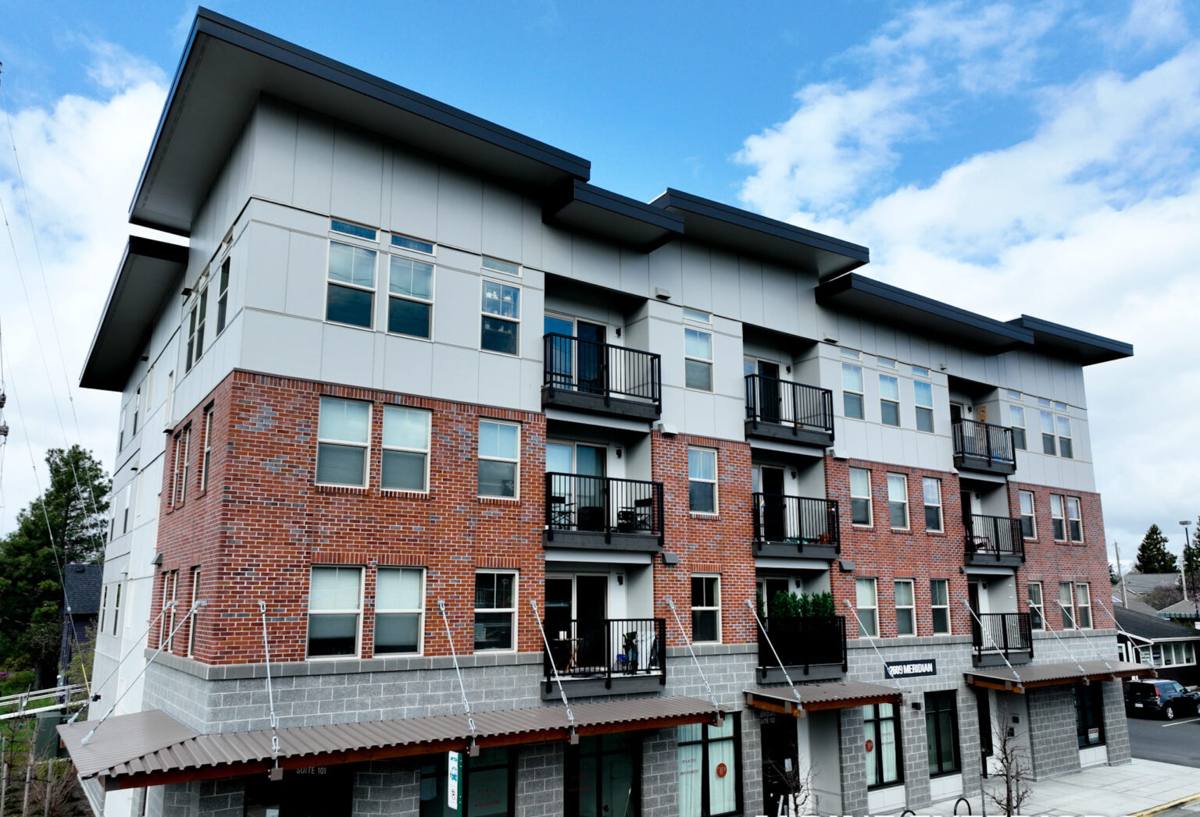
Why We Install James Hardie Fiber Cement — and Nothing Else
We install James Hardie fiber cement siding exclusively. We don't install vinyl, LP SmartSide, primed spruce, cedar, or other fiber cement brands like Allura or Cemplank. That's a deliberate standard, not a lack of options.
For a coastal-influenced property like a Similk Beach home, the reasons are practical:
- Non-combustible material: Fiber cement doesn't feed a fire the way wood-based products can, which matters for insurance considerations and long-term peace of mind.
- Moisture stability: Hardie's fiber cement doesn't absorb and swell the way wood-based siding can when it stays damp for extended periods — a real factor given how long surfaces stay wet here.
- Factory-applied ColorPlus finish: The finish is baked on at the factory under controlled conditions, which holds color and resists the chalking and fading that field-applied paint struggles with under constant UV and salt exposure.
- Climate-engineered product lines: Hardie builds specific HZ (HardieZone) formulations for different climate zones, including the wetter, more humid conditions common to the Pacific Northwest.
- Transferable warranty backed by a large manufacturer: A meaningful warranty only matters if the company behind it is still standing in twenty years and the coverage transfers if you sell.
Vinyl, engineered wood, and cheaper fiber cement alternatives all have a place in the market. We simply won't put our name on an installation using a product we don't think holds up to what this stretch of Skagit County throws at a house year after year.
What Correct Siding Installation Actually Involves
Siding failures are rarely about the siding panel itself failing — they're almost always about what's happening behind it or at the seams. A correct installation for a Similk Beach home means getting every layer right, not just the visible one.
Weather-Resistive Barrier and Drainage
A properly installed weather-resistive barrier, lapped correctly and sealed at penetrations, is what keeps incidental moisture from reaching the sheathing. In a wind-driven-rain environment, a rainscreen or drainage gap behind the siding gives any moisture that does get past the surface a way to drain and dry out, instead of sitting against the wall assembly.
Flashing at Every Transition
Windows, doors, roof-to-wall intersections, and any penetration through the siding are where water finds its way in. Flashing has to be installed in the correct order — integrated with the weather-resistive barrier, not just caulked over the top — so water sheds outward at every layer.
Fastening and Clearances to Manufacturer Spec
James Hardie siding has specific requirements for fastener type, placement, and spacing, along with minimum clearances from grade, roof lines, decks, and other siding-to-material transitions. Skipping these clearances is one of the most common causes of premature moisture damage — and it's invisible until it isn't.
Caulking and Sealant Placement
Sealant belongs at specific joints, not everywhere. Over-caulking can trap moisture in places it needs to drain from; under-caulking leaves gaps exposed to driving rain. Knowing the difference is part of doing the job correctly.
Our Installation Process
| Stage | What Happens |
|---|---|
| Estimate & Assessment | On-site look at your home's exposure, current siding condition, trim, and any moisture or rot issues before quoting the job. |
| Product & Color Selection | Choosing the right Hardie plank profile, texture, and ColorPlus color for your home's style and sun/wind exposure. |
| Tear-Off & Sheathing Check | Removing old siding and inspecting the sheathing underneath for rot or damage before anything new goes up. |
| Weather Barrier & Flashing | Installing the weather-resistive barrier, drainage plane, and flashing at every window, door, and transition. |
| Hardie Panel Installation | Installing siding to manufacturer fastening spec, with correct clearances and lap alignment throughout. |
| Trim & Detail Work | Finishing trim, corners, and joints, with sealant applied only where it belongs. |
| Final Walkthrough | Reviewing the completed work with you and addressing anything before we consider the job done. |
Signs a Similk Beach Home Needs New Siding
Some of these show up gradually enough that homeowners get used to them before recognizing they're a problem:
- Persistent moss or algae growth that returns quickly after cleaning
- Visible warping, cupping, or soft spots on wood-based or engineered wood siding
- Paint that's chalking, peeling, or fading unevenly, especially on water-facing walls
- Cracking or splitting at panel seams and corners
- Rising energy bills that point to a wall assembly no longer performing as insulation
- Visible gaps, warping, or rust at fastener points
Any one of these on its own might just need attention. Several at once, especially on a home with age on its siding, usually means it's time to talk about replacement rather than another round of patching.
Why Hiring a Crew That Already Works This Area Matters
Siding installation isn't one-size-fits-all across Skagit County. A home a few miles inland doesn't need the same attention to wind exposure, drainage, and salt-tolerant detailing that a Similk Beach property does. A crew that already works near the water knows which walls take the worst of the weather, how much clearance to leave at grade given local drainage patterns, and where moss tends to establish first — because they've seen it on the house down the road, not just in a manual.
That familiarity shows up in small decisions throughout the job: where to add extra flashing attention, how tight to run fastener spacing on a wind-exposed gable, which trim details actually hold up near the water instead of just looking good on install day. It's the difference between a technically correct installation and one that's correct for this specific location.
Maintaining Hardie Siding in a Salt Air, High-Moss Environment
Correctly installed Hardie siding is low-maintenance, not no-maintenance. In an environment like Similk Beach's, a little routine attention keeps it performing the way it's designed to:
- Rinse siding periodically to clear salt residue and organic buildup before moss gets a foothold
- Keep gutters clear so water isn't sheeting down the siding face during storms
- Trim back vegetation and landscaping that shades siding and keeps it damp longer than it should be
- Check caulking at trim joints every couple of years and re-seal where it's cracked or pulled away
- Address any impact damage or chipped ColorPlus finish promptly so the substrate underneath stays protected
Get a Straightforward Estimate
If your Similk Beach home's siding is showing its age, or you're planning ahead for a project, we're happy to take a look and give you an honest read on where things stand. There's no pressure and no obligation — just a straight answer about what your home needs. Use the form below to request a free estimate.