 Anacortes
 Decks in Similk Beach Take a Different Kind of Beating
Similk Beach sits close to the water along the Anacortes shoreline, and that location shapes what a deck goes through year after year. Salt-laden air moves off the bay and settles on everything, wind-driven rain gets pushed sideways under railings and against ledger boards, and the long stretch of gray, damp months common to Skagit County keeps wood and composite surfaces wet far longer than they'd stay wet somewhere inland. None of that means a deck is doomed — it means the repair work has to account for conditions a generic contractor from outside the area might not think twice about.
We've worked on enough decks along this stretch of Fidalgo Island to know the difference between a deck that just needs cosmetic attention and one with a structural problem hiding under a coat of stain. This page covers what deck repair actually involves out here, what we look for, and how we approach the work so it holds up to another Skagit County winter — not just looks good for the next open house.
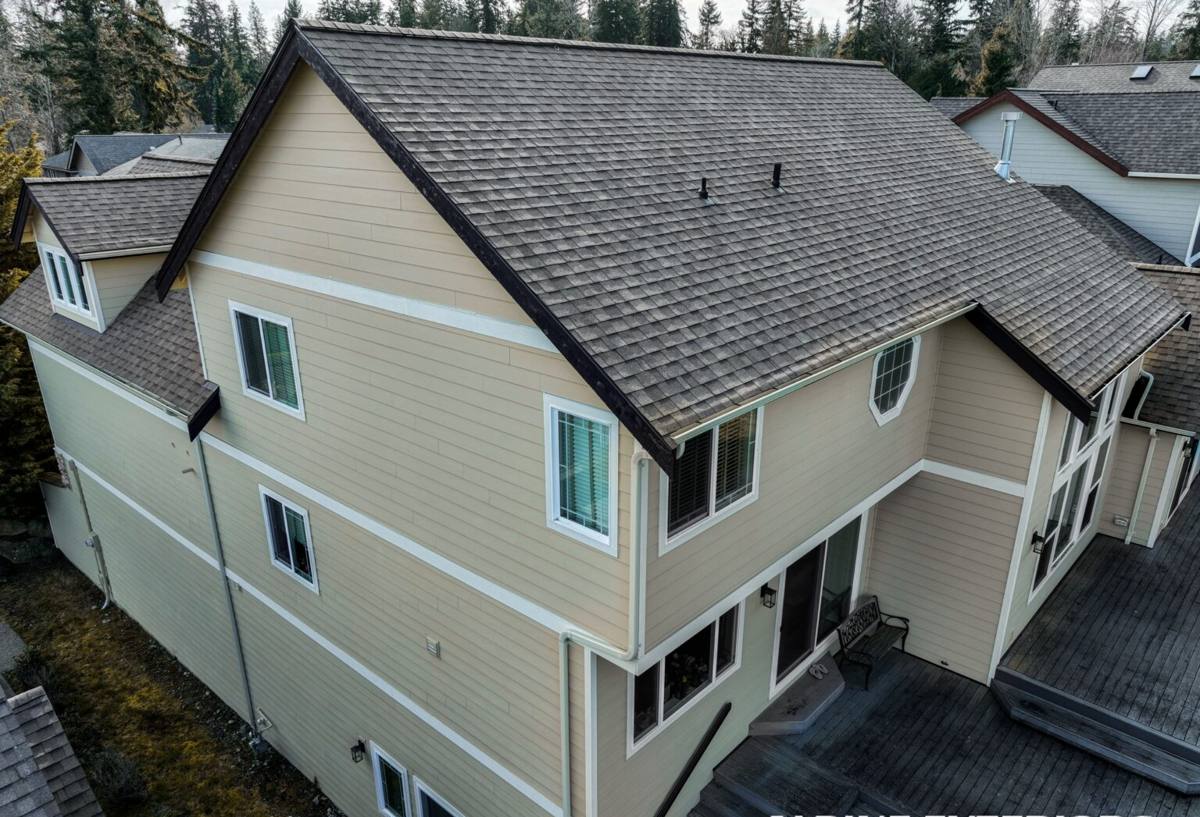
Common Deck Problems We See Near Similk Beach
Some issues show up almost every time we're called out to this area. Salt air and constant moisture create predictable failure points, and knowing what to check first saves homeowners money by catching problems before they spread.
| Problem | Likely Cause | Repair Approach |
|---|---|---|
| Corroded or rust-streaked fasteners | Standard steel screws/nails exposed to salt air and rain | Remove and replace with stainless steel or marine-grade coated fasteners |
| Soft or spongy decking boards | Trapped moisture, poor drainage, or moss holding water against the wood | Board-by-board replacement; improve drainage and airflow underneath |
| Wobbly or leaning railings | Loosened post connections, rot at the base, or undersized original hardware | Rebuild post connections to code, replace rotted sections, re-secure guardrails |
| Dark, slick patches on the surface | Moss and algae growth from extended shade and dampness | Clean, treat, and address the moisture source, not just the surface stain |
| Gaps or separation at the ledger board | Failed flashing letting water behind the deck's attachment to the house | Reflash and reseal the ledger connection; this is a safety-critical repair, not cosmetic |
| Sinking or shifting deck posts | Footings settling or post bases rotting at grade level | Inspect footings, replace rotted post bases, reset or reinforce as needed |
Signs Your Deck Needs Repair Now, Not Later
A deck rarely fails all at once. It gives warning signs first, and in a climate like ours those warning signs move faster than homeowners expect because the wood or composite substrate almost never gets a long dry stretch to recover in.
- Boards that feel spongy, bounce, or flex more than they used to
- Visible gaps opening up between the deck and the house wall
- Rust stains bleeding out around screws or nail heads
- Railings or guardrails that move when you lean on them
- Moss or dark green growth that keeps coming back after cleaning
- Stairs that feel less solid underfoot or show cracking at the stringers
- Discoloration or soft spots near where posts meet the ground
- A musty smell coming from underneath the deck structure
Any one of these on its own might be minor. Several together usually means water has been getting into the structure for a while, and it's worth having someone look before a soft board becomes a liability issue.
What a Correct Deck Repair Actually Involves
Deck repair gets treated as a cosmetic job more often than it should. Swapping out a few obviously bad boards without checking what's underneath them is common, and it's also how the same repair ends up needed again in two years. A repair that's actually going to hold up starts below the surface.
Structural and Framing Repairs
Joists, beams, ledger boards, and post connections are the part of the deck nobody sees, and they're also the part that determines whether the deck is safe. We check for rot at joist ends, corrosion on joist hangers, and — critically — the condition of the ledger board flashing where the deck attaches to the house. A failed ledger connection is one of the more serious deck problems there is, since it's what keeps the whole structure from pulling away from the building. Any structural work is done to match current code, not just patched to look right.
Decking Surface Replacement
Individual boards get replaced when they're cupping, splitting, or soft, rather than defaulting to a full resurface if the framing underneath is sound. Matching existing wood species or composite profiles is part of doing this cleanly, especially on decks where only a section needs work.
Railings, Guardrails, and Stairs
Loose railings are a safety issue, not a cosmetic one. We rebuild post-to-frame connections so they meet code guardrail load requirements, and we check baluster spacing on older decks that may have been built before current spacing standards. Stair stringers get the same structural scrutiny as the deck frame itself.
Fasteners and Hardware
This is where a lot of deck repairs near the water go wrong if the wrong hardware gets used. Standard steel fasteners corrode faster in salt air, and corroding fasteners weaken connections from the inside where you can't see it happening. We use stainless steel or marine-grade coated fasteners and hardware rated for corrosive, coastal-adjacent exposure — it costs a bit more up front and saves the repair from failing again in a few seasons.
Wood, Composite, or a Repair-in-Place Approach
Not every damaged deck needs to become a full composite rebuild, and not every homeowner wants that cost. Part of an honest repair conversation is talking through what makes sense for the specific deck, its age, and how it's held up so far.
Cedar and other wood decks can be repaired in place for years if the framing is sound and the surface boards are maintained — stained or sealed on a regular cycle to shed the amount of rain this area gets. Composite decking resists moisture and moss better on the surface, but it doesn't eliminate the need for sound framing, proper drainage, and corrosion-resistant fasteners underneath. Composite also has its own installation sensitivities — improper spacing or fastening can cause its own set of problems, so a repair on composite decking needs to match manufacturer specifications, not just get patched with whatever's on hand.
We'll tell you plainly whether your existing deck is worth repairing as-is, worth a partial rebuild, or genuinely at the end of its useful life. That's a judgment call based on what we find during inspection, not a default sales pitch toward the more expensive option.
Our Deck Repair Process
- On-site inspection. We walk the entire deck — surface, railings, stairs, and underneath the structure where possible — checking framing, fasteners, footings, and the ledger connection.
- Honest assessment. We tell you what's structural versus cosmetic, what needs to happen now versus what can be monitored, and give you a clear picture before any work starts.
- Repair plan and estimate. You get a written scope of what's being repaired, what materials and hardware we're using, and why.
- The repair itself. Framing and structural fixes happen first, followed by surface board replacement, railing work, and fastener upgrades.
- Final check and cleanup. We test railings and stairs for solidity, confirm drainage is working correctly, and leave the site clean.
Moss, Moisture, and What Happens After the Repair
Fixing a deck once doesn't mean it's maintenance-free going forward, especially in a spot that gets Similk Beach's combination of shade, moisture, and salt air. Moss will come back if the conditions that grew it in the first place — poor drainage, standing water, limited sun — aren't addressed alongside the repair itself. Part of our repair scope often includes improving airflow underneath the deck, correcting drainage so water doesn't pool against ledger boards or post bases, and recommending a realistic cleaning and sealing schedule based on how exposed the deck is.
A deck that gets a seasonal rinse-off and an occasional moss treatment holds up considerably longer than one that's left to fend for itself through a Skagit County winter. We'll walk you through what upkeep actually matters versus what's optional, so the repair we do isn't undone by neglect a year later.
Why It Matters to Hire a Crew That Already Works This Area
Deck repair standards don't change from neighborhood to neighborhood, but the conditions a deck is fighting against do. A crew that regularly works Similk Beach and the surrounding Anacortes waterfront already knows to expect corrosion at fastener heads before pulling the first board, already specs hardware rated for salt exposure by default, and already understands how moss and shade patterns in this area affect where water collects on a deck surface. That's the difference between a repair that's built for the conditions here and one that's built for a drier climate and just happens to be installed in Skagit County.
We're also familiar with what local permitting looks for on structural deck work, so repairs that touch framing, footings, or guardrails get done in a way that holds up to inspection, not just to a quick visual check.
Get a Straight Answer About Your Deck
If your deck has soft spots, rust-stained fasteners, a wobbly railing, or moss that won't quit, it's worth having someone look before it gets worse. We offer a free, no-pressure estimate — we'll tell you honestly what needs repair, what can wait, and what it'll take to get it solid again. Fill out the form below and we'll set up a time to come take a look.