 Anacortes
 Siding Repair in Similk Beach: A Different Job Than a New Install
Similk Beach sits along Similk Bay on the Skagit County side of Fidalgo Island, in the stretch between Anacortes and the Deception Pass corridor. It's a shoreline community, and that setting shapes everything about how siding ages here — homes get more direct exposure to open water, wind, and salt-tinged marine air than a comparable house a few miles inland. When something on that siding fails, whether it's a single cracked board from a storm or a run of caulking that's opened up along a whole wall, the fix needs to account for that exposure, not just patch the visible problem.
We do siding repair for homes throughout Similk Beach, and we treat it as its own kind of job — different from a full re-side, and different from a generic "patch it and move on" service call. A repair done right on a waterfront property here means matching the material correctly, understanding why the damage happened in the first place, and making sure the fix doesn't just fail again in a year or two.
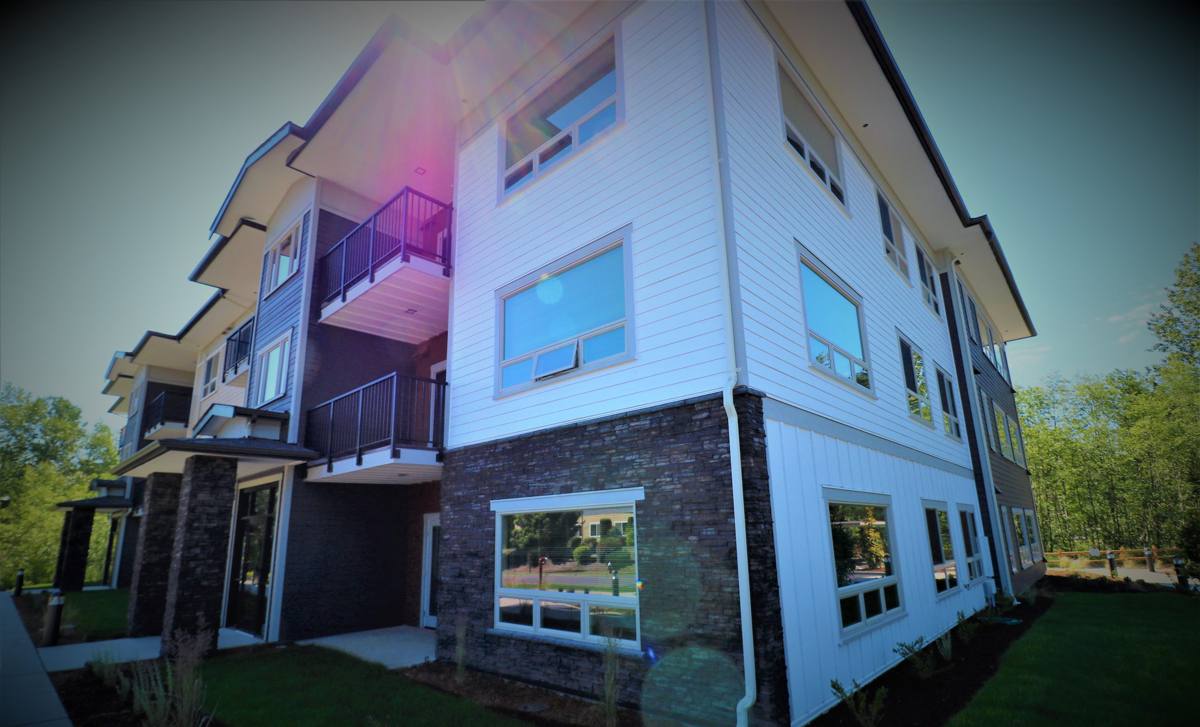
What This Climate Does to Siding on Similk Bay
Salt Air and Sustained Marine Moisture
Air moving off Similk Bay and the surrounding Skagit County waterways carries a mild salt content that settles on exterior surfaces day after day. Over time that accelerates corrosion in fasteners, flashing, and any hardware that isn't rated for coastal exposure. It also breaks down lower-quality paints and finishes faster than a drier inland setting would, which is why the type of finish on a piece of siding matters as much as the siding material itself when it comes to repair.
Driving Rain Off Open Water
A house with open exposure toward the bay takes wind-driven rain differently than a sheltered inland lot — storms push water sideways into wall assemblies, trim joints, and siding laps instead of just falling straight down. That's usually where repair problems start: a lap joint or a piece of trim that was fine under light rain starts letting water in once wind pushes it in at an angle. The wall-facing direction matters as much as the storm itself.
A Moss and Mildew Season That Runs Most of the Year
Between the bay's humidity, regular Skagit County rainfall, and the tree cover common on many Similk Beach lots, exterior surfaces here don't get long, reliable dry stretches for much of the year. That's exactly the environment moss and mildew need, and it shows up first on shaded, north-facing siding runs and anywhere water tends to sit rather than shed. Siding that holds moisture at the surface stays in that damp window longer, which speeds up whatever damage is already underway.
Common Siding Repair Calls We See in Similk Beach
Some of these are storm damage, some are the slow result of years of marine exposure, and some are installation shortcuts finally catching up with a house. The list below covers what we run into most often on repair calls in this area.
- Cracked, chipped, or dented siding boards from storm debris or impact damage
- Caulking and trim joints that have opened up from repeated wet-dry cycling
- Corroded or failing fasteners, especially older hardware not rated for coastal exposure
- Boards pulling away from corner trim or J-channel after years of moisture cycling behind them
- Water staining, soft spots, or discoloration around window and door trim where flashing was never quite right
- Delaminating or swelling siding on older, non-Hardie material near ground level or roof-to-wall transitions
- Moss and algae buildup on shaded siding runs that's starting to hold moisture against the surface
Repair or Replace? How We Make That Call
Not every damaged section of siding needs a full re-side, and not every repair call is actually a repair job once we're looking at the wall up close. The honest answer depends on how contained the damage is, what's causing it, and what material is already on the house.
| Situation | Usually Points To | Why |
|---|---|---|
| One or two boards cracked from storm impact, rest of the wall sound | Repair | Isolated physical damage on an otherwise healthy wall doesn't require replacing what's still performing well |
| Failed caulking or trim joints on an existing Hardie installation | Repair | A maintenance-level fix that restores the water barrier without touching sound siding |
| Widespread swelling, delamination, or rot on an older non-Hardie wall | Replacement | Damage of this kind is usually systemic across the material, not confined to one spot |
| Repeated repair calls to the same wall or corner over a few years | Replacement or deeper repair | Recurring failure usually means an underlying flashing or drainage issue that a surface patch won't fix |
We'll always give a straight answer on which category a job falls into. A single damaged board on a Hardie wall is a repair. Widespread failure on older, non-Hardie siding is usually better addressed as a replacement, and we'll say so rather than stringing along a series of patches that won't hold up to another Similk Beach winter.
What Correct Hardie Repair Actually Involves
Matching Board Profile and Finish
Hardie's ColorPlus finish is applied in a controlled factory process, which is part of why it holds color so well over time — but it also means a repair needs to use matching product, not a close guess. We identify the existing board profile, reveal, and color line before ordering replacement material, so a repaired section blends in rather than standing out as an obvious patch. On siding that's had several years of UV exposure, we'll be upfront about the fact that a brand-new board may read slightly differently from siding that's weathered for years — factory-applied finish is durable, but it isn't immune to gradual change, and matching gets harder the older the existing siding is.
Full-Board Replacement vs. Patching
Fiber cement doesn't patch the way some materials do. A cracked or damaged Hardie board typically gets replaced full-length, cut and fastened to the same spec as the original installation, rather than filled or spot-repaired. That's a deliberate standard, not extra work for its own sake — a patched section is a weak point that tends to fail again, especially on a wall that's already taking direct wind-driven rain off the bay.
Fixing the Cause, Not Just the Symptom
Before we replace a damaged board, we look at why it failed. If the cause is a one-time impact, that's the end of the story. If the cause is a flashing detail that's letting water sit behind the siding, or a fastener that's corroded and let a board work loose, replacing the board without addressing that underlying issue just resets the clock on the same failure. Every repair we do includes a check of the flashing, drainage, and fastening around the damaged area, not just the board itself.
If Your Current Siding Isn't Hardie
We install James Hardie fiber cement exclusively, but plenty of homes in Similk Beach have vinyl, LP SmartSide, cedar, or older primed wood siding already on them, and we still get repair calls on those materials. We'll take an honest look and do straightforward repairs where they make sense — replacing a cracked vinyl panel or resealing a section of wood trim, for example. What we won't do is oversell a patch as a lasting fix on a material that's already showing systemic wear. Wood-based products that are swelling or delaminating at multiple points, or vinyl that's brittle and cracking across a whole elevation, are usually past the point where spot repair is a good use of money. In those cases we'll say so plainly and talk through what a Hardie replacement of that section or wall would actually involve, without any pressure to commit on the spot.
Our Siding Repair Process
- An on-site inspection of the damaged area and the surrounding wall, checking flashing, fastening, and drainage as well as the visible damage
- An honest assessment of whether the situation calls for a targeted repair or points to a bigger underlying issue
- Board and finish matching for Hardie repairs, ordered to the correct profile and color line
- A written scope and price before any work begins — no surprises once the crew is on site
- The repair itself, done to the same fastening, flashing, and clearance standards as a new installation
- A final check of the surrounding area to confirm the fix addressed the cause, not just the symptom
Why a Crew That Already Works Similk Beach Matters
Similk Beach isn't a uniform stretch of shoreline — a home with an open, bay-facing wall deals with a different level of wind and rain exposure than a house set back or shaded by trees just a short distance away. A crew that regularly works this part of Skagit County already knows that variation and can look at a damaged wall and tell fairly quickly whether it's an isolated impact, a flashing detail that's been failing quietly for years, or a material that's simply reached the end of its useful life in this climate. That judgment is what keeps a repair from turning into a repeat service call.
A Simple Checklist Before Hiring for Siding Repair
- Ask whether they're proposing a true repair or recommending replacement, and why
- Confirm current Washington contractor licensing and active liability insurance
- Ask how they'll match board profile, reveal, and color on an existing Hardie wall
- Ask whether they'll inspect flashing and fasteners around the damage, not just replace the visible board
- Get a written scope and price before any work begins
If you've got a damaged board, opened-up caulking, or a section of siding that's showing wear on a Similk Beach home, we're happy to take a look and give you a straight answer about what it actually needs. Reach out below for a free, no-pressure estimate.