 Anacortes
 Siding Installation for Edison, Washington Homes
Edison sits in one of the wettest, dampest pockets of Skagit County — low-lying farmland threaded with sloughs, close enough to saltwater that the air itself carries moisture and salt year-round. Homes here don't get a break between weather systems. Rain comes in sideways off the water, humidity stays high through the shoulder seasons, and anything shaded or north-facing spends months growing moss before anyone notices. Siding installation in a setting like this isn't a cosmetic project. It's the single biggest factor in whether a house stays dry, structurally sound, and low-maintenance for the next several decades.
We install James Hardie fiber cement siding exclusively, and Edison is exactly the kind of environment that explains why. This page covers what local homes actually need from a siding installation, what a correct job looks like from the ground up, and how our process works when we take on a project in this area.
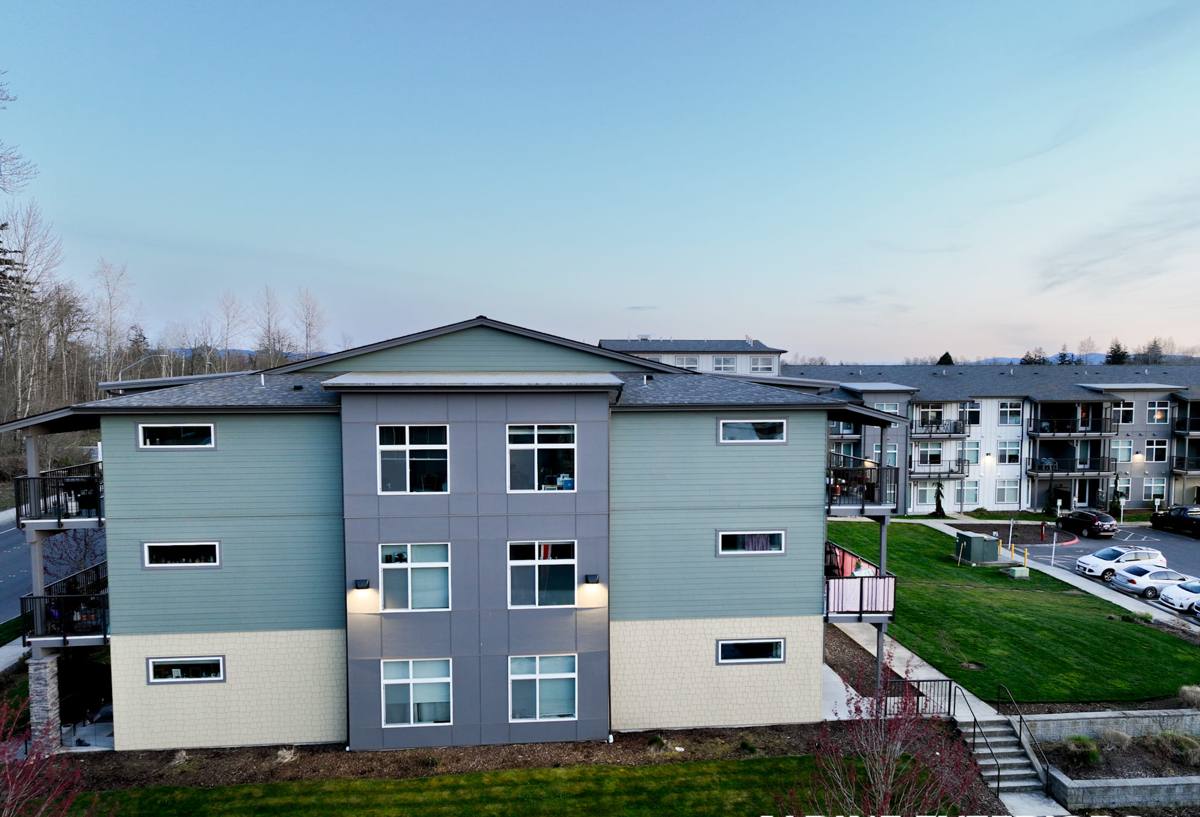
What Edison's Climate Does to Siding
Three conditions define siding performance here, and they compound each other rather than acting independently.
Salt Air
Proximity to saltwater doesn't just mean occasional spray — it means a steady, low-level exposure that accelerates corrosion on fasteners, flashing, and any metal trim that isn't rated for it. Over years, this quietly undermines siding systems that looked fine on installation day but were fastened or flashed with materials not built for a marine-influenced climate.
Driving Rain
Wind-driven rain doesn't fall straight down — it gets pushed sideways into wall assemblies, seams, butt joints, and anywhere a fastener penetrates the surface. A siding system that isn't detailed correctly at those penetration points will eventually let water behind the cladding, and once water gets behind siding, the sheathing and framing underneath take the damage long before anyone sees a problem from the outside.
Moss and Sustained Moisture
Skagit County's mild, wet winters and shaded, low-lying terrain around Edison create ideal conditions for moss and algae growth on north- and east-facing walls, under eaves, and anywhere air doesn't circulate well. Moss holds moisture against a wall surface for extended periods, which is a problem for wood-based and engineered-wood siding products in particular — sustained dampness is exactly what those materials are least equipped to handle.
None of this is unique to any one house in Edison — it's the baseline condition every exterior on a property here has to be engineered around.
Why Material Choice Matters More Here Than Almost Anywhere
We don't install vinyl siding, LP SmartSide, Cemplank, Allura, primed spruce, or cedar. That's not a marketing position — it's a standard we hold because of what we've seen happen to those products in exactly this kind of climate.
Wood-based and engineered-wood sidings depend on an intact factory coating and perfect field sealing at every cut edge, seam, and fastener to keep moisture out. In a climate with this much sustained dampness and moss pressure, any lapse in that seal — a missed caulk joint, a cut edge left unsealed, a fastener that backs out over time — becomes an entry point for water. Vinyl, meanwhile, is dimensionally unstable in temperature swings and can crack or become brittle with age and UV exposure, and it doesn't offer the same fire performance or impact resistance as fiber cement.
James Hardie fiber cement is engineered specifically to resist moisture intrusion, doesn't support the kind of fungal growth that plagues wood products, and holds its factory-applied ColorPlus finish far longer than field-painted alternatives — which matters in a climate where repainting siding every few years isn't something most homeowners want to sign up for. It's also non-combustible, which is a real, measurable advantage regardless of climate. For a house in Edison, this isn't a marginal upgrade — it's the difference between an exterior that shrugs off the local weather and one that's fighting it from day one.
What a Correct Siding Installation Actually Involves
The siding board itself is only part of the system. Most siding failures we're called out to inspect trace back to what's underneath the boards, not the boards themselves. A correct installation in a climate like this includes:
Weather-Resistive Barrier and Drainage Plane
A properly lapped, sealed weather-resistive barrier behind the siding, with a drainage gap that lets any moisture that does get past the cladding drain out and dry rather than sitting against the sheathing.
Flashing at Every Penetration
Windows, doors, vents, hose bibs, light fixtures, and any other wall penetration need properly integrated flashing — installed in the correct shingle-lap sequence with the weather barrier so water is always directed outward and downward, never trapped behind the siding.
Correct Fastening
Hardie siding has specific fastener spacing, penetration depth, and placement requirements. Fasteners driven wrong — too shallow, too deep, in the wrong location on the board — void warranty coverage and create loose boards or water entry points down the line. In a salt-air environment, fastener material matters too; corrosion-resistant fasteners aren't optional here.
Proper Clearances
Siding needs the manufacturer-specified clearance from grade, roof lines, decks, and other horizontal surfaces. Skip this and you create a spot where moisture and organic debris sit directly against the bottom edge of the siding — one of the most common places we find rot and moss buildup on older installations.
Caulking and Joint Treatment
Butt joints, trim intersections, and board ends need to be treated correctly per manufacturer specification — sealed where required, left to drain where an open joint design calls for it. Getting this backwards traps water instead of shedding it.
Our Installation Process
- Assessment and measurement. We inspect the existing exterior, check for hidden moisture or sheathing damage, and measure the home precisely for material takeoff.
- Tear-off and sheathing inspection. Old siding comes off and we inspect the sheathing underneath before anything new goes on — this is where problems from years of moisture exposure often surface, and it's the wrong stage to skip.
- Repair as needed. Any damaged sheathing, framing, or trim gets repaired or replaced before the new weather barrier goes up. Installing new siding over compromised substrate just hides the problem.
- Weather barrier and flashing installation. The drainage plane and all flashing details go in first, following manufacturer sequencing at every window, door, and penetration.
- Hardie siding installation. Boards and panels are installed to James Hardie's fastening, clearance, and joint specifications — the details that determine whether the system performs correctly for decades.
- Trim, caulking, and finish work. Trim is installed, joints are treated correctly, and the site is cleaned up.
- Final walkthrough. We go over the completed work with the homeowner before calling the job done.
Signs an Edison Home Needs New Siding
Because moisture damage often develops behind the siding before it's visible on the surface, it's worth knowing what to watch for:
- Persistent moss or algae growth that returns quickly after cleaning
- Soft, spongy, or visibly warped sections of siding
- Paint that's peeling, bubbling, or failing faster than expected
- Visible cracking, especially around butt joints or fastener locations
- Rust streaking near fasteners or trim, common in salt-air exposure
- Rising energy bills that suggest the wall assembly is no longer performing as insulation
- Any musty smell or interior wall discoloration near exterior walls
What Affects the Cost of a Siding Installation
Every home is different, but the same factors drive cost on most Edison projects:
| Factor | Why It Matters |
|---|---|
| Total wall area and home height | More material and labor, and taller walls require more scaffolding/staging time |
| Tear-off and disposal of old siding | Removing and hauling away existing material adds labor and disposal cost |
| Sheathing or framing repair | Moisture damage found during tear-off has to be addressed before new siding goes on |
| Siding profile and trim complexity | Lap siding, panel siding, and detailed trim packages each require different labor |
| Number of windows, doors, and penetrations | Each one requires flashing and precise cutting, which adds time |
| Site accessibility | Tight lots, landscaping, or difficult staging areas can extend project timelines |
We walk through these factors with every homeowner during the estimate so there aren't surprises once work begins.
Why It Matters to Hire a Crew That Already Works This Area
Siding installation isn't a one-size-fits-all trade. A crew that mostly works drier inland climates can do competent work and still miss details that matter specifically in a place like Edison — flashing sequencing that accounts for driving rain off the water, fastener choices that hold up to salt air, or clearance decisions that account for a low-lying, moss-prone site. A crew that regularly works Skagit County's coastal and farmland communities has already seen what happens when those details get skipped, and builds every installation around avoiding those specific failure points from the start.
It also matters for accountability. A local crew is easy to reach if a question comes up after the job, and has a reputation in the community worth protecting — not just a project that's finished and forgotten.
Questions Worth Asking Before You Hire
- Do you inspect and repair sheathing before installing new siding, or install over the existing substrate?
- What weather barrier and flashing details do you use, and why?
- Are your fasteners rated for a salt-air environment?
- Do you follow the manufacturer's written installation specifications, and will that be documented?
- What warranty coverage applies to the material, and what applies to your labor?
- Have you worked on homes in this specific area before?
Caring for Hardie Siding After Installation
One of the practical advantages of James Hardie siding in a climate like Edison's is how little ongoing maintenance it demands compared to wood-based alternatives. It doesn't need repainting on a recurring schedule the way primed wood does, and it resists the moisture-driven decay that drives most siding failures here. A periodic rinse to keep moss and organic buildup from accumulating, and an occasional visual check of caulking and trim, is generally all it takes to keep the system performing the way it's designed to.
If you're planning a siding project for a home in Edison or elsewhere in Skagit County, we're happy to walk the property, answer questions, and put together a straightforward estimate — no pressure, no obligation. Just fill out the form below to get started.