 Anacortes
 Windows in the Skagit Valley Are a Different Job Than Windows on the Coast
Mount Vernon sits inland along the Skagit River, and that changes what your windows are actually up against. You get less direct salt spray than a waterfront Anacortes property, but you trade it for something just as hard on a window system over time: valley fog that sits low for days in the fall and winter, heavy seasonal rain funneling down off the Cascades and the Sound, and the humidity that comes with farmland and river bottom terrain. Add in the wide day-to-night temperature swings common in the valley, and you've got a climate that stresses seals, frames, and glass in ways a lot of window crews from outside the area simply don't plan for.
We're based in Anacortes and work throughout Skagit County, including Mount Vernon, so this isn't a one-off job for us — it's a climate we install in every week. That matters more than it sounds like it should, and we'll get into why further down.
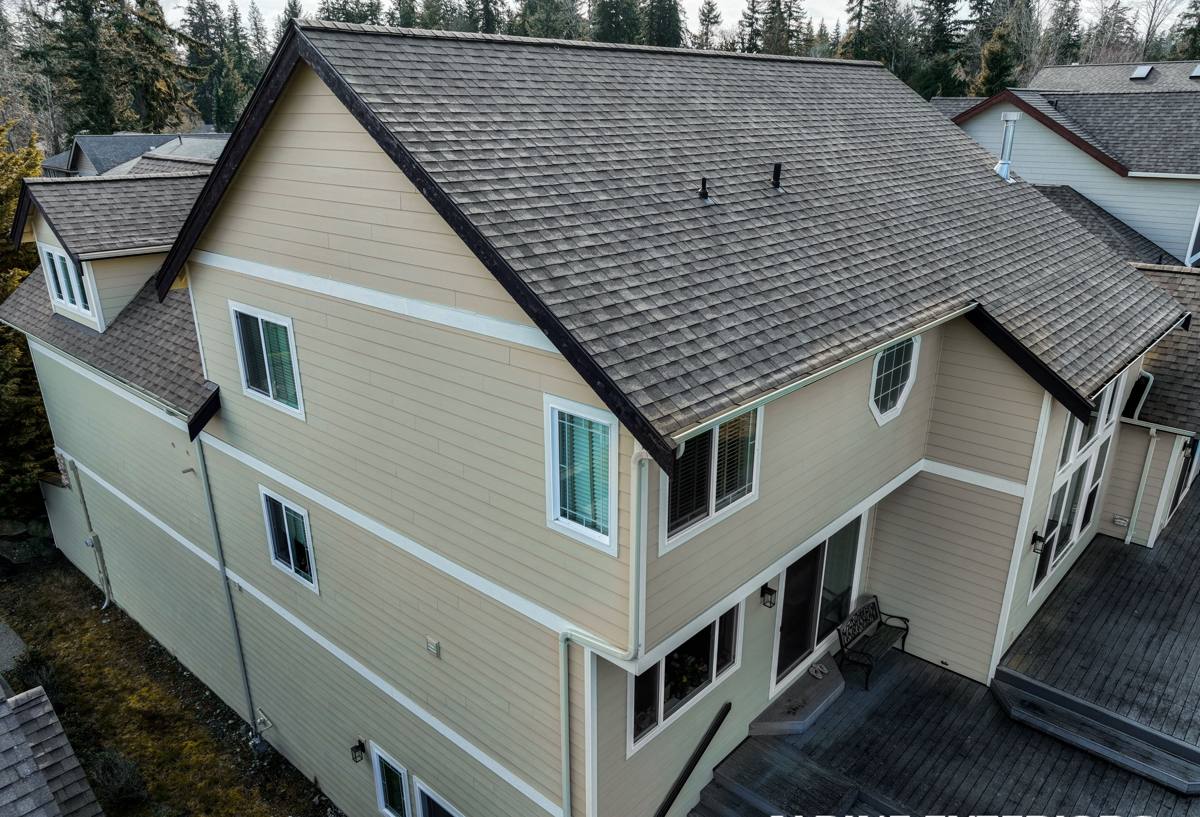
What "Energy-Efficient" Should Mean for a Mount Vernon Home
Energy-efficient windows get marketed as a single product category, but the right specification depends heavily on your local conditions. For Mount Vernon, three numbers matter more than any brand name on the sticker:
U-Factor
This measures how much heat the window lets escape. Lower is better. In a valley climate with cold, damp winters and wood or oil heat still common in older homes, a low U-factor keeps your heating bill from climbing every time the fog rolls in and temperatures drop.
Solar Heat Gain Coefficient (SHGC)
This measures how much solar heat passes through the glass. Mount Vernon doesn't get brutal summer heat like the interior of the state, but south- and west-facing rooms can still overheat on clear days. A moderate SHGC lets in welcome winter light without turning a sunroom into a greenhouse in July.
Condensation Resistance
This is the number most homeowners never hear about until they're wiping water off their sills every morning. High humidity and big day-to-night temperature swings — both normal for this valley — are exactly the conditions that cause interior condensation on older or poorly-specified windows. A window rated well for condensation resistance keeps that moisture where it belongs: outside.
Glazing Options Compared
| Glass Package | Best For | Trade-Offs |
|---|---|---|
| Standard double-pane, Low-E coating | Most Mount Vernon homes; solid all-around performance | Lower upfront cost, good but not top-tier condensation resistance |
| Double-pane, Low-E, argon-filled | Homes with west or north exposure, older heating systems | Better insulating value; argon can slowly diffuse over decades |
| Triple-pane | Homes near busy roads, or owners prioritizing max efficiency | Highest cost and weight; often unnecessary for our climate zone |
For most Mount Vernon homes we work on, argon-filled double-pane with a good Low-E coating hits the right balance of performance and cost. Triple-pane has its place, but it's rarely the difference-maker here that it is in a harsher inland climate — we'd rather put that budget into better installation and flashing detail, which does more for your home's actual performance.
Frame Materials: What Holds Up in This Climate
The glass gets the marketing attention, but the frame and how it's installed determine how the window performs in year fifteen, not just year one.
| Frame Material | Moisture Behavior | Maintenance | Typical Lifespan |
|---|---|---|---|
| Vinyl | Won't rot; seams and welded corners need to be done right | Low — occasional cleaning | 20-30+ years |
| Fiberglass | Excellent — very stable in wet, swinging temperatures | Low | 30+ years |
| Wood-clad | Good if cladding is intact; failure point is the exterior clad joint | Higher — watch clad seams and interior wood finish | 20-30 years with upkeep |
| Bare aluminum | Poor in this climate — conducts cold, prone to interior condensation | Low, but performance suffers | Varies widely |
We install primarily vinyl and fiberglass for Mount Vernon homes because both stand up to sustained damp weather without the rot risk of exposed wood or the condensation problems that plague older bare aluminum frames — the kind you'll still find in a lot of houses built here in the 60s through 80s.
Signs Your Current Windows Are Losing the Fight
Homeowners often wait longer than they should because window failure is gradual, not sudden. A few signs it's time to take a serious look:
- Fog or moisture forming between the panes — the seal has failed and the insulating gas is gone
- Condensation on the inside of the glass most mornings, especially in cooler months
- Visible gaps, soft spots, or paint failure around the frame or sill
- Windows that are hard to open, close, or lock — frames have shifted or warped
- A noticeable draft when standing near the window on a windy or rainy day
- Rooms that are hard to keep at a consistent temperature compared to the rest of the house
- Rising heating bills without a clear cause elsewhere in the home
Any one of these on its own isn't necessarily an emergency. Several together, especially on a home over 20-25 years old, usually means it's time to plan for replacement before a small problem becomes a bigger one — like water intrusion into the wall framing.
What a Correct Installation Actually Involves
The window unit itself is maybe half the job. The other half is everything around it, and it's where most performance problems actually start.
1. Assessment and Measurement
We check the existing rough opening, look for signs of past water intrusion or rot in the framing, and take precise measurements. This is also when we talk through glazing and frame options based on the specific exposure of each opening — a north-facing window in a shaded spot doesn't need the same spec as a south-facing one that gets full sun.
2. Removal Without Damage
Old windows come out carefully so we can inspect the sill and framing underneath before anything new goes in. If there's rot or moisture damage back there — not uncommon on older homes in this valley — it needs to be addressed before a new window goes in, not covered up.
3. Flashing and Weather Barrier Detail
This is the step that determines whether a window actually performs the way its energy rating suggests, and it's the step that gets rushed by crews unfamiliar with wet-climate installation. Proper flashing tape, correct water-shedding overlap (working top to bottom, never the reverse), and a continuous connection to the home's weather-resistive barrier are what actually keep driving rain out of your wall assembly.
4. Setting, Shimming, and Sealing
The window gets set level and plumb, shimmed correctly so it isn't relying on the frame for structural support, and sealed with the right materials on both the exterior and interior — including proper insulation in the gap, not just spray foam packed in carelessly.
5. Final Check
Every window gets operated, checked for square, and inspected for a clean, weathertight seal before we call the job done.
Maintaining New Windows Through Skagit Valley Weather
A correctly installed, energy-efficient window still needs a small amount of upkeep to perform the way it should for its full lifespan, especially in a climate with this much sustained moisture. None of this is difficult, but skipping it does shorten the life of even a well-installed window.
Twice-a-Year Basics
Clear debris and moss buildup from window tracks and weep holes — the small drainage openings along the bottom of the frame that let water escape. In a region with as long a moss season as this one, tracks and sills can accumulate organic buildup faster than homeowners expect, and blocked weep holes are one of the more common causes of water pooling where it shouldn't.
Check the Exterior Seal
Caulking and exterior sealant break down over years of sun, rain, and temperature cycling. A quick visual check once a year, especially before the wet season sets in, catches small gaps before they let water behind the trim.
Don't Ignore Hardware
Locks, cranks, and rollers on vinyl and fiberglass windows are mechanical parts. A little light lubrication keeps them operating smoothly and helps the window seal fully when closed and locked, which matters more for energy performance than most homeowners realize.
Why the Local Factor Actually Matters Here
Skagit County building requirements, typical framing practices from different construction eras, and the specific weather patterns of the valley aren't things you pick up from a manual — they come from doing this work here, repeatedly. A crew that mostly works other regions can still install a window that looks fine on day one. Whether it holds up through five or ten wet seasons in Mount Vernon's climate is a different question, and it comes down to installation detail, not the sticker on the glass.
Working out of Anacortes means we're already in Skagit County day to day — we're not driving in from out of the area for one job and gone. That matters for warranty follow-up, for knowing which older neighborhoods tend to have which framing quirks, and for being straightforward with you about what your home actually needs versus what a sales pitch says it needs.
What Affects Your Project's Cost
We don't publish blanket per-window pricing because it depends on real variables, but here's what actually drives cost on a Mount Vernon replacement project:
- Number of windows and whether it's a full-home or partial replacement
- Frame material chosen (vinyl generally costs less than fiberglass or wood-clad)
- Glazing package — standard Low-E versus argon-filled versus triple-pane
- Condition of the existing rough openings and whether framing repair is needed
- Window size, shape, and whether any are custom or non-standard configurations
- Access — second-story or hard-to-reach openings take more time
The honest range for most residential projects is broad because the variables above swing it significantly. We'll give you real numbers after seeing the actual openings, not a phone estimate that changes once we're on site.
Ready to Talk Through Your Windows?
If you're dealing with foggy panes, drafty rooms, or windows that just aren't keeping up with a Skagit Valley winter anymore, we're happy to take a look. Fill out the form below for a free, no-pressure estimate — we'll walk your home, answer your questions honestly, and give you a clear picture of what your windows actually need.