 Anacortes
 Window Installation Built for Fidalgo Island's Coastal Climate
Fidalgo Island sits right where Puget Sound weather gets concentrated — salt-laden air off the water, wind-driven rain that comes in sideways more often than straight down, and a shoulder season where moss and moisture just sit on north-facing walls for weeks at a time. Windows here don't fail the way they do in a dry inland climate. They fail at the seams, at the flashing, and at the sill, because that's where water finds a way in and stays.
Window installation for homes on Fidalgo Island isn't a different product line — it's the same window, installed with more attention to the details that this environment punishes. That's the distinction this page is about: what your windows are actually up against here, what a correct installation looks like, and why it's worth hiring a crew that already understands the local conditions instead of learning on your house.
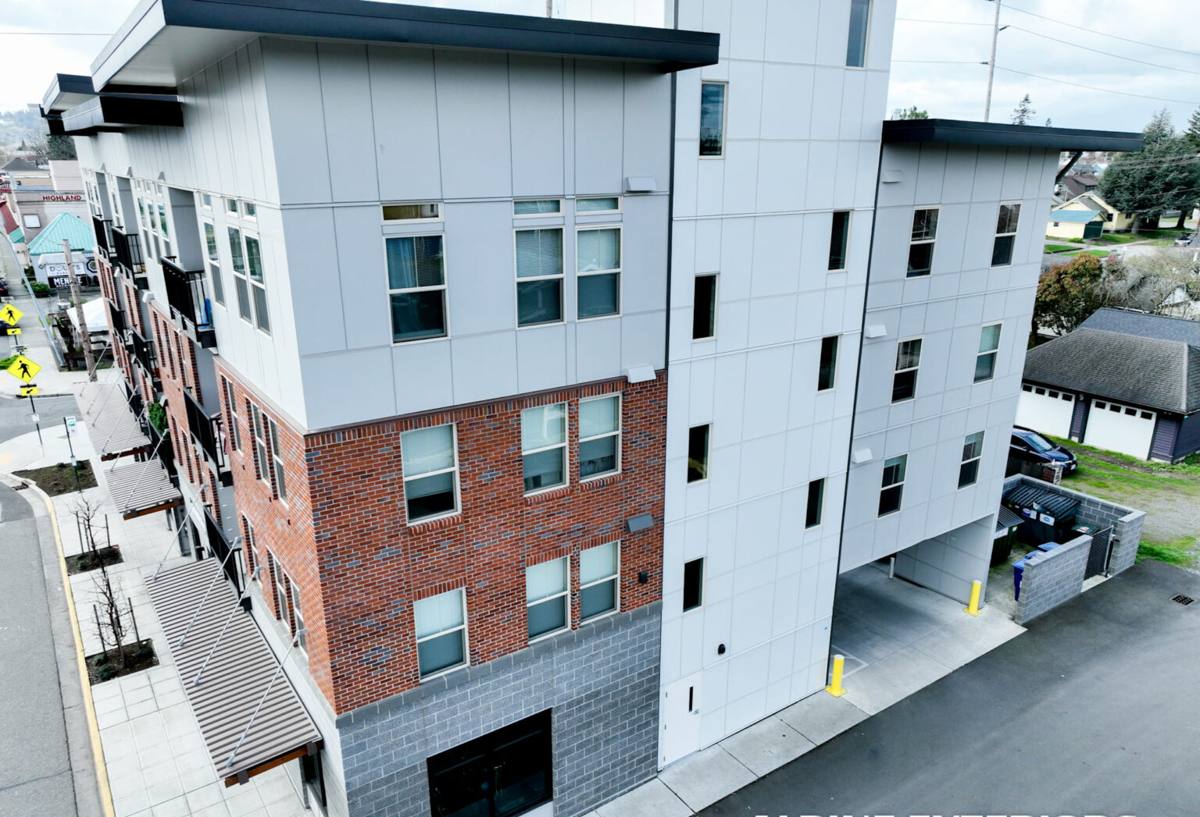
What Salt Air, Driving Rain, and Moss Season Do to Windows
Salt and Marine Air
Airborne salt is corrosive to metal hardware, aluminum frames, and even some fastener types. Over years, it accelerates pitting on hinges, cranks, and locking mechanisms, and it can dull or discolor finishes that would hold up fine further inland. It doesn't destroy a window overnight — it just shortens the working life of every moving part.
Wind-Driven Rain
A window can be perfectly watertight against rain falling straight down and still leak under wind pressure, because wind pushes water sideways and upward into gaps that gravity alone would never find. Skagit County storms regularly come with enough wind to test that weakness, which is why flashing detail and sealant work matter more here than in calmer climates.
Moss and Shaded Moisture
Homes tucked under fir and cedar cover, or on the shaded side of the island, hold moisture longer. Moss and mildew take hold on sills, trim, and cladding around windows that don't get much sun or airflow. That constant dampness is hard on wood trim and can hide slow rot behind paint that still looks fine on the surface.
Signs Your Windows Are Losing the Battle
Most window failure is gradual, and homeowners often notice the symptoms before they connect them to the cause. Watch for:
- Fogging or a hazy film between the panes of a double-pane window — the seal has failed and the gas fill is gone
- Soft, spongy, or discolored wood at the sill or the trim below the window
- Noticeable drafts near the frame even when the window is fully latched
- Windows that are hard to open, close, or lock — often a sign the frame has shifted or swollen
- Corrosion or white powdery buildup on aluminum frames or hardware
- Moss, algae, or dark staining building up on the frame or sill that keeps coming back after cleaning
- Condensation on the inside of the glass in cold weather, beyond normal kitchen or bathroom humidity
Any one of these on its own might just mean routine maintenance. Several at once, especially combined with visible wood damage, usually means the window and possibly the framing around it need attention.
What a Correct Window Installation Actually Involves
The window itself is often the easy part. The install is where quality actually gets decided — and it's the part homeowners can't see once the trim goes back on.
Flashing and Water Management
Every opening needs a water management plan, not just caulk around the edges. That means flashing tape or membrane integrated with the house wrap in the correct shingle-lap order — top piece over the side pieces, side pieces over the bottom pan — so that any water that does get behind the trim drains back out instead of pooling against the framing. Skipping or rushing this step is the single most common reason a window leaks years down the road.
Air Sealing and Insulation
The gap between the window frame and the rough opening needs to be filled with a proper low-expansion foam or backer rod and sealant — not stuffed with fiberglass, which does little to stop air movement, and not overfilled with foam, which can bow the frame and cause the window to bind.
Fastening and Structural Fit
The window has to be shimmed square, plumb, and level before it's fastened, or it will operate poorly and stress the seals unevenly for the rest of its life. On homes with any settling or older framing — common in older Anacortes-area houses — this step takes real judgment, not just a level and a nail gun.
Checking for Hidden Damage
Removing the old window is the one chance to actually see the framing underneath. On a coastal home, that's when we find out whether years of slow moisture intrusion have softened the sill plate or king studs. Finding and repairing that now is far cheaper than finding it later.
Choosing Window Materials for a Marine Environment
There's no single "best" window material for every home — it depends on your budget, your home's style, and how exposed the window is to weather. Here's how the common options actually perform in a salt-air, high-rain climate like ours:
| Frame Material | How It Handles This Climate | Maintenance | Good Fit For |
|---|---|---|---|
| Vinyl | Doesn't corrode or rot; handles moisture well | Low — occasional cleaning | Most homes; strong value and durability |
| Fiberglass | Very stable in temperature swings and moisture; resists warping | Low | Homes wanting a higher-end feel with minimal upkeep |
| Wood / Wood-clad | Handsome look, but exposed wood needs consistent upkeep to resist rot and moss in shaded, damp spots | Moderate to high | Historic or architecturally specific homes where the look matters most |
| Aluminum | Prone to pitting and corrosion in salt air over time; conducts cold, which can invite condensation | Moderate | Limited uses; generally not our first recommendation this close to the water |
For most Fidalgo Island homes, we steer people toward vinyl or fiberglass because they don't depend on paint or finish to keep moisture out — the material itself doesn't rot or corrode. That's not a knock on wood or aluminum windows as products; it's about matching the material to the specific maintenance burden of a marine climate, and being honest about what upkeep you're signing up for with each option.
What Affects the Cost of Window Installation Here
Pricing depends on the specifics of your home, but the main variables are consistent from project to project:
| Factor | Why It Moves the Price |
|---|---|
| Number and size of windows | More openings and larger glass mean more material and labor |
| Frame material chosen | Vinyl, fiberglass, and wood-clad windows sit at different price points |
| Full-frame vs. pocket replacement | Full-frame replaces the whole unit down to the rough opening and costs more, but is often necessary when there's water damage or the old frame is failing |
| Access and height | Upper-story windows, tight side yards, or windows near steep grade take longer to work safely |
| Hidden repair needs | Rot or damage found in the framing once the old window is out adds time and material |
| Glass package | Upgraded low-E coatings or triple-pane glass cost more upfront but can reduce condensation and heat loss |
We give a firm number after we've actually looked at your windows, not a phone estimate — because on a coastal home, the condition of the framing behind the trim can change the scope more than the window itself does.
Our Process, Start to Finish
- On-site assessment — we look at each window from inside and out, checking for the signs of moisture damage described above.
- Honest recommendation — we tell you what genuinely needs replacing now versus what can wait, and what material makes sense for that window's exposure.
- Measure and order — accurate measurements matter more on older homes where openings are rarely perfectly square.
- Protect the work area — interior and exterior surfaces are covered before removal begins.
- Careful removal — old windows come out without unnecessary damage to trim or siding we plan to reuse.
- Inspect the opening — this is where we confirm the framing is sound, or flag repair needs before moving forward.
- Install with proper flashing and air sealing — the water management and insulation steps described above, done in the right order.
- Trim and finish — interior and exterior trim is reinstalled or replaced to match.
- Walkthrough and cleanup — we test operation of every window and clean up the site before we consider the job done.
Why Local Experience on Fidalgo Island Matters
A window installer who mostly works dry, inland climates can put in a technically fine window and still get flashing and sealing wrong for wind-driven rain, because it's never been the deciding factor on their other jobs. A crew that regularly works Fidalgo Island and the greater Anacortes area already knows which sides of a house take the worst weather, what older Skagit County framing tends to look like once you open it up, and which details actually matter versus which are just extra steps.
That experience shows up less in what you can see and more in what you don't have to deal with later — no callback for a leak two winters from now, no surprise rot discovered because the framing wasn't checked properly the first time. Hiring locally isn't about hometown loyalty; it's about hiring a crew whose default habits already account for the conditions your house actually faces.
If you're noticing drafts, fogged glass, or moisture damage around your windows, or you're simply ready to plan ahead before the next wet season, we're happy to take a look. Reach out for a free, no-pressure estimate — we'll give you a straight assessment of what your windows need and what it will take to do the job right.