 Anacortes
 Why Fidalgo Island Is Hard on Windows
Fidalgo Island sits surrounded by water, with Rosario Strait and Guemes Channel exposing homes here to a steady mix of salt-laden air, wind-driven rain, and long stretches of damp, low-sun weather. Windows take the brunt of that. Frames, seals, and hardware that would last decades in a drier inland climate can start failing years early on the island once salt air, moisture, and moss get into the mix. If you own a home in or around Fidalgo Island, your windows are working harder than the average window replacement page gives them credit for.
Salt Air and Metal Fatigue
Salt in the air corrodes exposed metal over time — that includes window hardware, aluminum frames, and even the fasteners holding trim in place. You'll often see it first as pitting or white corrosion on hinges and locks, or as stiff, hard-to-operate hardware on windows that face open water or prevailing wind.
Wind-Driven Rain and Water Intrusion
Anacortes and the surrounding Skagit County coastline see rain that doesn't just fall straight down — wind pushes it sideways into wall assemblies, especially on west- and southwest-facing elevations. A window that's watertight in calm rain can still leak under driving rain if the flashing and sealant details weren't done correctly the first time.
Moss, Algae, and Trapped Moisture
The long wet season here means moss and algae find a foothold anywhere moisture lingers — window sills, sash tracks, and trim that doesn't drain or dry out properly. Beyond the cosmetic issue, trapped moisture behind trim or under a failed sill is exactly what leads to rot in the framing around a window opening.
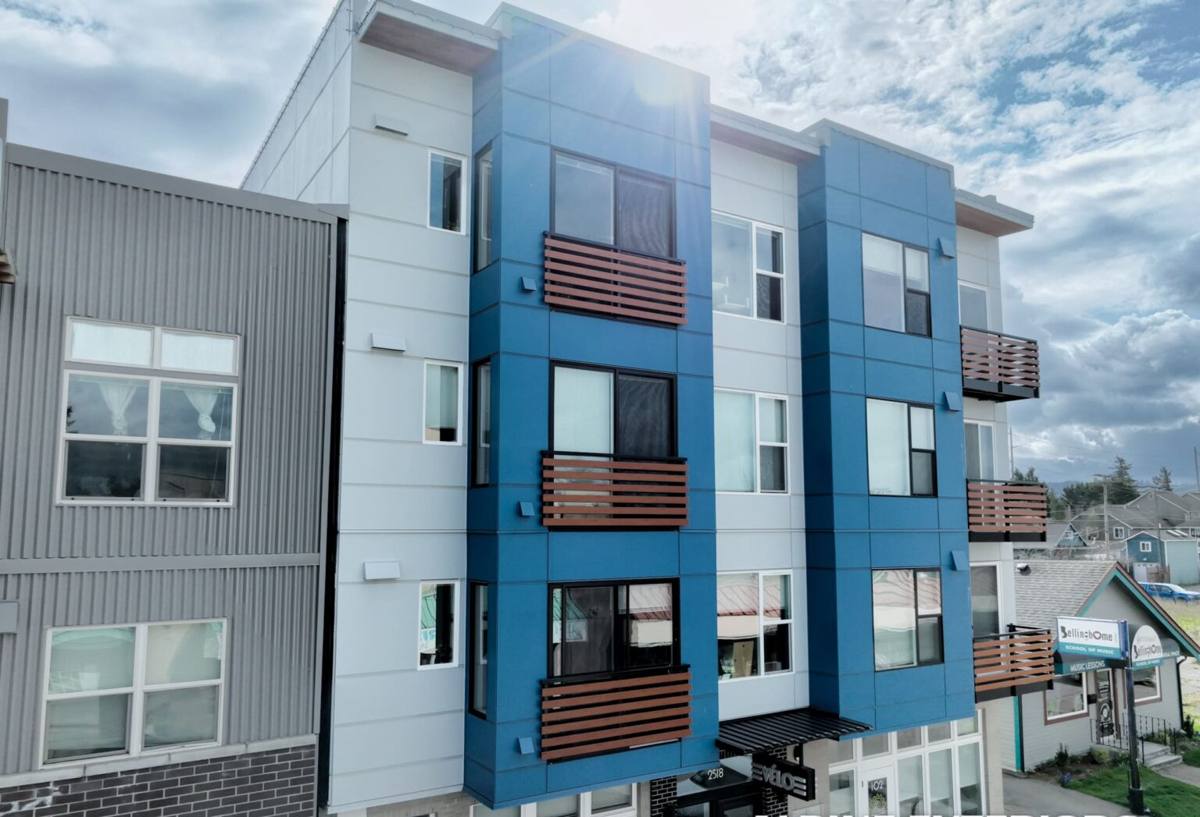
Signs Your Windows Are Losing the Battle
Most homeowners don't replace windows on a schedule — they replace them when something tips them off. On Fidalgo Island, watch for these signs:
- Drafts you can feel near the frame even when the window is latched shut
- Fogging or a milky haze between the panes of a double-pane window (a sign the seal has failed)
- Windows that are hard to open, close, or lock — often a sign of a swollen or warped frame
- Visible moss, algae, or dark staining building up on sills or bottom trim
- Soft or spongy wood around the frame or sill when pressed
- Paint that keeps peeling or bubbling near the window, even after repainting
- A noticeable rise in heating costs with no other explanation
- Condensation forming on the inside of the glass regularly through fall and winter
Any one of these on its own might just need a repair. Several at once, especially on the same window, usually means the window has reached the end of its useful life.
What a Correct Window Replacement Involves
Window replacement looks simple from the outside — old window out, new window in — but the parts that actually determine whether a window lasts on Fidalgo Island happen where you can't see them once the job is done.
Checking Before You Cover Anything Up
Before a new window goes in, the opening needs to be checked for hidden rot or water damage in the sheathing and framing. Skipping this step and installing a new window over damaged wood just seals the problem inside the wall, where it keeps getting worse.
Flashing and Water Management
This is the detail that matters most in a marine climate. The window needs to be integrated with a weather-resistant barrier and properly lapped flashing so that any water that does get past the exterior finish is directed back out, not down into the wall cavity. Done right, this is what keeps driving rain from becoming a rot problem two or three years later.
Sealing and Insulating the Gap
The gap between the window frame and the rough opening needs to be insulated and air-sealed correctly — not just stuffed with material and covered with trim. Done poorly, this is a common source of drafts and localized condensation on cold, damp days.
Choosing a Frame Material for a Marine Climate
There's no single "best" window material for every home — it depends on your budget, your home's exposure, and how much upkeep you want to take on. Here's how the common options hold up specifically in a salt-air, high-moisture environment like Fidalgo Island:
| Frame Material | Marine Climate Suitability | Maintenance | Typical Cost Tier |
|---|---|---|---|
| Vinyl | Good — won't corrode or rot; check seams on lower-quality units | Low | Entry to mid |
| Fiberglass | Excellent — very stable in temperature swings and moisture, resists corrosion | Low | Mid to upper |
| Aluminum | Fair — strong but prone to corrosion and condensation near salt air unless well-treated | Moderate | Mid |
| Wood-clad | Fair to good — attractive, but cladding seams and any exposed wood need attention near moisture | Higher | Upper |
For most homes on the island, we steer people toward vinyl or fiberglass because they hold up to salt air and moisture with the least ongoing maintenance. Aluminum and wood-clad windows can still be the right call for specific looks or budgets — we'll just be upfront about the extra care they'll need in this environment.
Glass and Energy Performance
Low-E Coatings and Argon Gas
A low-emissivity (low-E) coating and argon gas fill between panes are standard on most quality replacement windows now, and they make a real difference here — not just for summer heat, which is mild on the island, but for keeping interior surfaces warmer in winter so condensation has less chance to form on the glass.
Do You Need Triple-Pane Here?
Triple-pane glass adds cost and weight, and for most Fidalgo Island homes, a good double-pane window with a quality low-E coating performs well for the climate we actually have — wet and mild rather than extreme cold. Triple-pane can make sense on a particularly exposed, wind-battered elevation or for a homeowner prioritizing sound reduction, but we don't push it as a default upgrade if it's not solving a specific problem for your home.
Cost Factors to Expect
Every home is different, so we don't quote window replacement off a single number per opening. These are the factors that actually move the price:
| Factor | How It Affects Cost |
|---|---|
| Number and size of windows | More openings and larger units mean more material and labor |
| Frame material chosen | Vinyl is typically the most budget-friendly; fiberglass and wood-clad run higher |
| Hidden rot or water damage found during removal | Framing repair adds cost but is necessary to do the job right |
| Access and elevation | Upper-floor or hard-to-reach windows take more time and equipment |
| Glass package (standard low-E vs. upgraded options) | Better-performing glass costs more up front but can lower energy bills |
We walk through these factors with you before any work starts, so the estimate reflects your actual home rather than a generic per-window average.
Our Process, Start to Finish
- On-site assessment of each window, including a check for water damage or rot around the opening
- Honest recommendation on frame material and glass package based on your home's exposure and budget
- Written estimate with no pressure to decide on the spot
- Careful removal of the old window and inspection of the framing underneath
- Any needed framing or sheathing repair, done before the new window goes in
- Installation with proper flashing, weather barrier integration, and air-sealing
- Interior and exterior trim work to match your home
- Final walk-through so you can test every window before we consider the job done
Why a Crew That Already Works Fidalgo Island Matters
Window replacement done by a contractor unfamiliar with this area often looks fine for the first year or two, then starts showing problems that a locally experienced crew would have caught early. We work on homes across Anacortes and Fidalgo Island regularly, so we're used to the difference between a sheltered, tree-lined lot and a home facing open water on a straight shot of wind and rain. That shapes real decisions — which flashing details to prioritize, where extra sealant attention matters, and which frame materials hold up best on a given elevation. We're also used to coordinating window work with siding and trim repairs, since on this island the two are almost always connected: water that gets past a window usually shows up in the siding around it, and vice versa.
If your windows are drafty, fogged, hard to operate, or just showing their age, we're happy to take a look and give you a straight answer — including if the honest answer is that a repair will hold you for a while longer. Reach out for a free, no-pressure estimate using the form below, and we'll walk your home with you before recommending anything.