 Anacortes
 Flounder Bay's Siding Takes a Different Kind of Beating
Flounder Bay sits close enough to the water that homes here deal with a combination of stresses most inland Skagit County properties never see. Salt-laden air moves through the neighborhood off the marina and open water, driving rain comes in sideways during winter storms, and the long stretch of overcast, wet months keeps exterior surfaces damp for days at a time. Any one of those on its own is manageable. Together, over years, they accelerate almost every failure mode siding can have — swelling, delamination, fastener corrosion, and moss or algae growth that traps moisture against the surface.
That's why siding repair in Flounder Bay isn't quite the same job as siding repair in a dry, sheltered inland neighborhood. The diagnosis has to account for salt exposure and wind-driven moisture, not just visible damage, and the fix has to hold up to the next twenty winters, not just look good for the next photo.
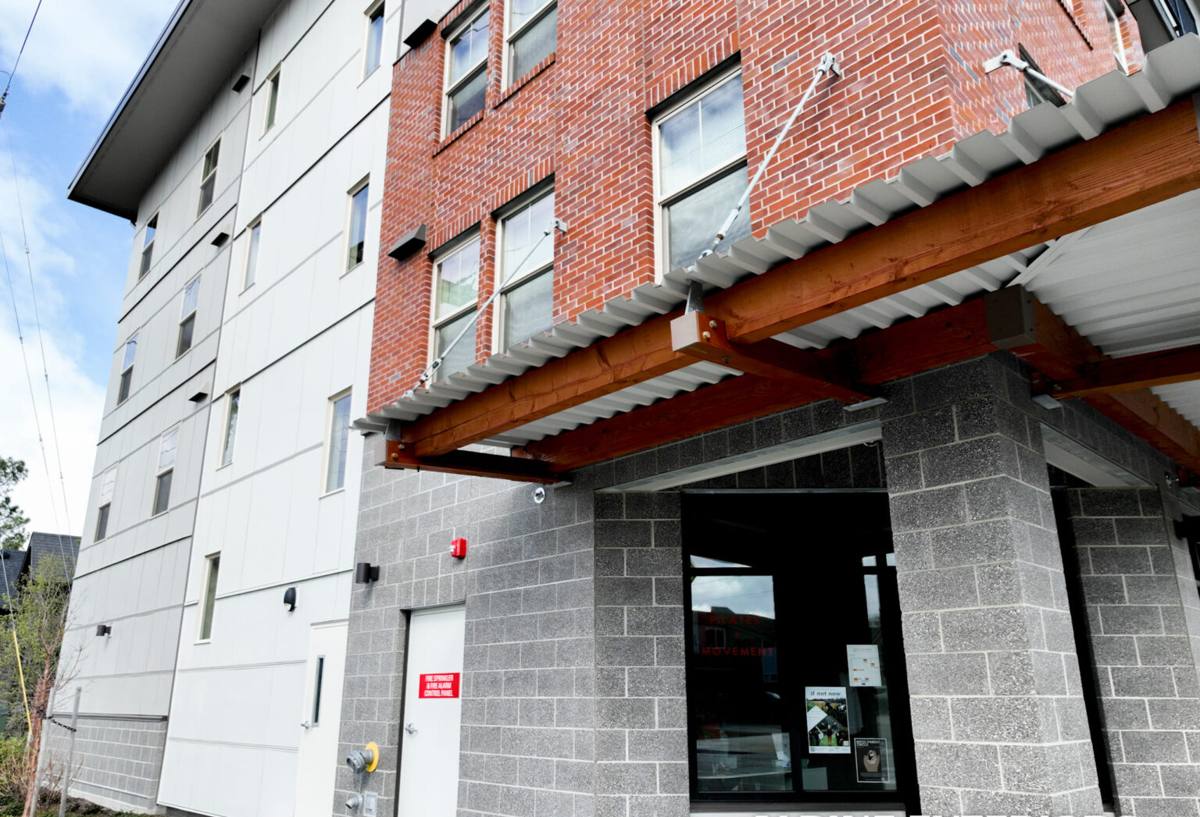
Signs Flounder Bay Homeowners Should Watch For
Because so much of the damage starts behind the surface, the visible signs are often the last thing to show up — not the first. Homeowners who catch problems early save real money, because a caught-early repair is a fraction of the cost of replacing a rotted wall section.
- Soft or spongy spots when you press on siding near the bottom courses, corners, or under windows
- Paint that's bubbling, peeling, or flaking in a pattern that follows seams or panel edges
- Dark streaking or green-black growth that keeps coming back within weeks of cleaning
- Visible gaps, warping, or panels that have pulled slightly away from the wall
- Rust staining below nail heads or fasteners
- A musty smell near exterior walls inside the home, especially in closets or along baseboards
- Caulking that's cracked, shrunk, or missing at trim boards, corners, and window/door edges
Any one of these is worth a look. Several at once usually means moisture has been getting behind the siding for a while, and the repair needs to address what's underneath, not just what's visible.
What a Correct Siding Repair Actually Involves
A repair that only replaces the damaged board and stops there is a repair that's likely to fail again in the same spot. Doing it right means treating the visible damage as a symptom and tracing it back to the cause.
Diagnosis Before Demolition
Before anything comes off the wall, we probe the affected area and the surrounding courses to find the actual boundary of the damage — moisture rarely stays exactly where it first shows up. We also check the flashing, house wrap, and seams nearby, since a leak two feet away often surfaces somewhere else entirely.
Removing Only What's Compromised
We pull back siding carefully rather than prying it off, so we can inspect the water-resistive barrier and sheathing underneath without causing more damage than necessary. If the sheathing has soft spots or rot, that gets addressed before any new siding goes back on — covering over compromised sheathing just hides a bigger problem.
Fixing the Water Path, Not Just the Panel
Most siding failures near the coast trace back to a water path problem: missing kick-out flashing, improperly lapped house wrap, caulk used where flashing should have been, or fasteners driven at the wrong angle. We correct these details as part of the repair, because replacing the board without fixing the path just resets the clock on the same failure.
Matching Materials and Finish
New material needs to match the existing siding's profile, reveal, and finish closely enough that the repair isn't an eyesore. For homes with James Hardie ColorPlus siding, this is straightforward — Hardie's factory finish is engineered to be color-matched and touched up cleanly. For older wood, vinyl, or other fiber cement products, matching can be harder, especially if the original color has faded or the product line has since changed.
Repair Approach by Siding Material
We work on homes throughout Flounder Bay with a range of existing siding types, and the right repair approach depends heavily on what's already on the wall. Here's how the common materials compare when it comes to repair.
| Siding Material | Common Failure in Salt Air / High Rain | Repair Difficulty | Long-Term Outlook After Repair |
|---|---|---|---|
| Cedar / wood lap | Rot, cupping, fastener bleed-through | Moderate — sourcing matching stock can be hard | Fair; needs ongoing refinishing to hold up |
| Vinyl | Cracking, warping from heat/cold cycling, panels blowing loose in wind | Low to moderate — matching discontinued colors is a real issue | Fair; UV and impact damage tend to recur |
| LP SmartSide / OSB-based panel | Edge swelling and delamination where moisture penetrates the strand board core | Higher — swollen edges often mean replacing full panels, not patching | Guarded if moisture exposure continues |
| Older fiber cement (non-Hardie) | Cracking, moisture wicking at cut edges, finish fading | Moderate — depends on product line still being manufactured | Good if installed and flashed correctly |
| James Hardie fiber cement | Rare structural failure; most issues are installation-related (caulk, flashing, fastening) | Low — factory finish is designed for clean matching and touch-up | Strong when installed to spec, backed by transferable warranty |
This is part of why we standardized on James Hardie for the replacement work we do: even setting aside new installs, it holds up to Skagit County's coastal weather better than the alternatives, and it's the easiest product to repair cleanly years down the road.
Salt Air's Specific Effect on Fasteners and Trim
One detail that's easy to miss on a quick visual inspection is fastener corrosion. Salt air accelerates rust on any fastener that isn't rated for coastal exposure, and a rusting nail or screw doesn't just look bad — it loses holding strength and can let a panel work loose in wind. On Flounder Bay repair jobs, we check fastener condition as a matter of course, and we use corrosion-resistant fasteners appropriate for coastal exposure on every repair, not just on the boards that are visibly failing.
Trim boards and corner boards see similar wear, since they're often the first point where wind-driven rain finds a way in. A repair that replaces a damaged wall panel but leaves failing trim caulking untouched is a repair that will need to be redone within a few years.
Moss, Algae, and Anacortes' Long Wet Season
Anacortes' extended overcast, wet stretch of the year — often running from fall through spring — keeps exterior surfaces damp far longer than sunnier inland areas. That's ideal growing conditions for moss and algae, particularly on north-facing walls, under eaves, and anywhere tree cover blocks sun and airflow.
Moss and algae aren't just cosmetic. A layer of growth holds moisture directly against the siding surface, which speeds up rot in wood-based products and can degrade paint and caulk faster than bare exposure would. Part of a proper repair in this area includes addressing what let the growth take hold — usually poor airflow, overhanging vegetation too close to the wall, or a drainage issue directing water toward a particular section of wall — not just cleaning it off and moving on.
Repair Details Checklist for Coastal Homes
- Confirm the water path (flashing, house wrap laps, kick-outs) is corrected, not just the panel
- Use corrosion-resistant fasteners rated for coastal/salt exposure
- Inspect and re-caulk trim and corner boards adjacent to the repair, not just the repaired section
- Check for and address the cause of any moss or algae growth nearby
- Verify sheathing underneath is dry and sound before closing the wall back up
- Match reveal, profile, and finish closely enough that the repair blends in
Our Process for Flounder Bay Repair Jobs
The steps below are the same ones we follow on every coastal repair, adjusted for the specifics of the home.
- On-site inspection. We look at the visibly damaged area, probe the surrounding siding, and check flashing, caulking, and drainage nearby.
- Honest assessment. We tell you plainly whether this is a straightforward patch, a larger section repair, or a sign that replacement is the smarter long-term move — and why.
- Written estimate. Scope, material, and cost are laid out before any work starts, with no surprise add-ons once the wall is opened, barring genuinely unforeseen conditions we'll show you directly.
- Careful removal. Damaged material comes off without unnecessary disruption to sound siding nearby.
- Underlying repair. Sheathing, house wrap, and flashing issues get corrected before new siding goes back on.
- Matched replacement. New material is fitted, fastened with coastal-rated hardware, and finished to match as closely as the existing siding allows.
- Final check. We walk the repair with you before calling the job done.
Repair vs. Replacement: When Patching No Longer Makes Sense
Not every siding problem is worth repairing piecemeal. If a home has had two or three repairs in the same general area within a few years, if multiple wall sections show the same kind of failure, or if the underlying material (older LP panel, aging wood, or a fiber cement line no longer manufactured) can't be matched or reliably repaired, it's usually more cost-effective — and less frustrating — to replace that section, or the whole elevation, rather than keep patching.
When that conversation comes up, our recommendation is James Hardie fiber cement. It's non-combustible, holds its ColorPlus factory finish for years without the repainting cycle wood and older fiber cement need, and it's engineered in HZ product lines specifically for climates like ours — damp, salty, and wet for long stretches of the year. It also carries a strong transferable warranty, which matters if you ever sell the home. We won't push replacement when a repair will genuinely hold; we will tell you clearly when it won't.
Why a Crew That Already Works Flounder Bay Matters
Coastal siding repair isn't generic exterior work. A crew that hasn't worked near saltwater regularly may not think to check fastener corrosion, may not recognize how far moisture has traveled from an entry point, or may not account for how much longer this area stays wet compared to a drier inland job site. Local, repeat experience in neighborhoods like Flounder Bay means fewer surprises once the wall is open, faster accurate diagnosis, and repairs that are built for the specific way this coastline wears down a house — not a one-size-fits-all patch job.
If you're seeing soft spots, recurring moss, peeling paint, or just want a second opinion on a repair another contractor quoted, we're happy to take a look. Reach out for a free, no-pressure estimate — we'll give you a straight answer on what's actually going on and what it'll take to fix it right.