 Anacortes
 Windows Built for Flounder Bay's Marine Environment
Flounder Bay sits close enough to the water that the air itself works against your windows every single day. Salt-laden moisture drifts in off the bay, settles into frame joints and hardware, and starts corrosion processes that inland Anacortes homes simply don't deal with at the same rate. Add in driving rain that comes sideways during winter storms, and a moss season that can stretch from October through May in the shade pockets common on this side of town, and you've got a climate that is genuinely harder on window assemblies than most manufacturers' warranty testing accounts for.
This isn't a reason to panic about your windows — it's a reason to be specific about how they're installed and what they're made of. A window that performs fine in a dry inland climate can fail early here if the flashing, sealant, and frame material weren't chosen and installed with salt air and wind-driven rain in mind.
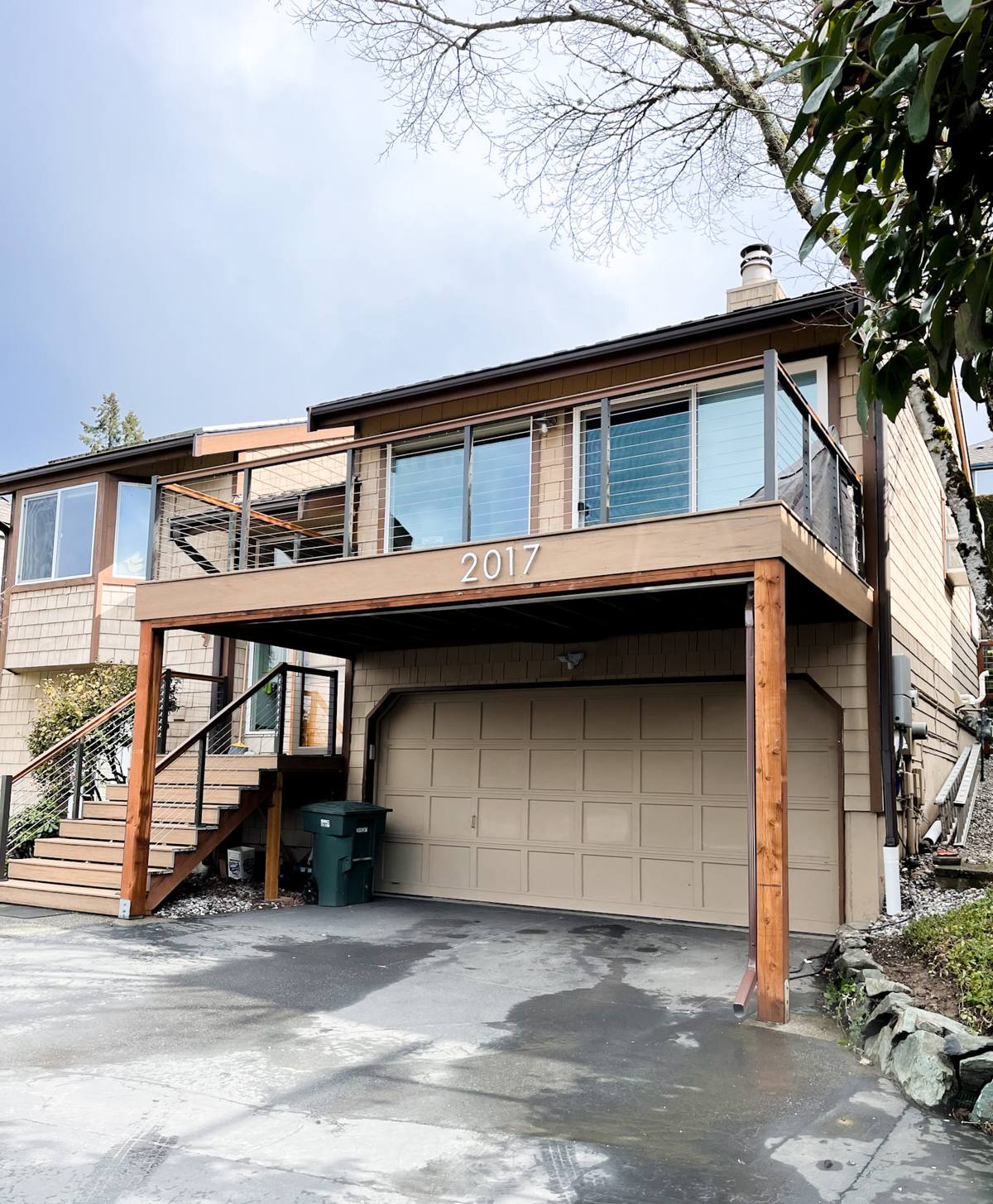
How the Local Climate Actually Damages Windows
Salt Air and Metal Components
Aluminum cladding, low-quality hardware, and exposed fasteners corrode faster near the bay than they do even a mile or two inland. Once corrosion starts on a hinge, lock, or balance mechanism, the window becomes harder to operate and the seal around it degrades, letting in more moisture — which accelerates the same problem.
Wind-Driven Rain
Anacortes storms don't always fall straight down. When rain is pushed horizontally against a wall, it tests the flashing and sealant details around a window far more than a calm rainfall would. A window that's watertight in a lab test can still leak in the field if the installer didn't detail the head flashing and side flanges correctly for wind-driven conditions.
Moss, Mildew, and Trapped Moisture
Shaded lots and tree cover around Flounder Bay mean surfaces stay damp longer after every rain event. Wood sills and frames that aren't properly sealed or that trap moisture behind cladding are prone to soft spots, mildew staining, and eventually rot — often starting at the bottom corners of the frame where water naturally collects.
Signs Your Current Windows Are Losing the Battle
- Fogging or condensation between the panes of a double-pane unit (a sign the seal has failed)
- Hardware that's stiff, corroded, or won't latch fully
- Soft or discolored wood at the sill or bottom corners
- Drafts you can feel with a hand near the frame on a windy day
- Visible daylight or gaps where the frame meets the siding
- Paint or finish that's peeling faster on the exterior side than it should
- A noticeable rise in heating costs without any other explanation
Any one of these on its own might just mean routine maintenance. Several at once, especially on a home that's been in Flounder Bay for a decade or more, usually means the windows are due for replacement rather than another repair.
What a Correct Installation Actually Involves
Window installation quality is decided by details most homeowners never see once the trim is back on. In a marine environment like this one, we treat the following as non-negotiable:
- Full removal of old flashing and sealant — reusing old flashing is a common shortcut that hides rot instead of fixing it
- Inspection of the rough opening for hidden water damage before the new unit ever goes in
- Correct flashing sequence — sill pan first, then side flanges, then head flashing, layered so water sheds outward at every step
- Compatible, marine-grade sealants that hold up to salt exposure and UV without going brittle
- Proper shimming and leveling so the window operates smoothly and the seal compresses evenly all the way around
- Insulation of the gap between frame and rough opening without over-packing, which can bow the frame
- Weather-appropriate exterior trim and caulking as the final water-management layer
Full-Frame vs. Insert Replacement
Which method is right depends on the condition of your existing frame and sheathing — not just preference.
| Approach | Best For | Trade-offs |
|---|---|---|
| Full-frame replacement | Homes with any sign of water damage, rot, or older single-pane wood frames | More labor and cost, but the only way to actually inspect and fix what's behind the wall |
| Insert (pocket) replacement | Sound frames in good condition, faster turnaround projects | Faster and less invasive, but any hidden rot or flashing failure stays hidden |
Near the water, we lean toward recommending full-frame replacement more often than we would inland, simply because the odds of finding moisture intrusion behind an older frame are higher here. We'll tell you honestly which one your home needs after a real inspection — not by default.
Material and Glass Choices That Make Sense Here
Not every window product on the market is a good fit for a bay-side lot. Our standard is to steer Flounder Bay homeowners toward frame materials and hardware finishes rated for coastal or marine exposure, and to avoid combinations that look fine on day one but create maintenance headaches within a few years — bare aluminum hardware that pits, or wood species and finishes that need constant upkeep to resist the moisture load here.
Glass Packages
Double-pane, low-E glass is the practical baseline for this climate — it manages both the heat loss of Skagit County winters and the glare and UV off the water in summer. Triple-pane is worth discussing on north- and west-facing rooms that catch the worst of the wind and rain, but it adds cost and weight that isn't always justified on every elevation of a house.
Frame Materials
Vinyl and fiberglass frames with quality weatherstripping generally hold up well against salt air with minimal maintenance. Wood frames can still be the right call for matching an older home's character, but they need a maintenance commitment — regular inspection and refinishing — that we'll walk you through honestly rather than downplay.
Our Process, Start to Finish
- On-site assessment — we look at existing windows, framing condition, and any signs of past water intrusion before quoting anything
- Honest recommendation — full-frame or insert, which glass and frame material fits your home and budget, no upselling products you don't need
- Written estimate — clear scope, materials, and timeline
- Removal and inspection — old units come out, sheathing and framing get checked before anything new goes in
- Installation — proper flashing sequence, sealing, shimming, and insulation, in that order
- Exterior finish work — trim, caulking, and touch-up to match your home's existing look
- Walkthrough — we operate every window with you before we call the job done
Why Working With a Crew That Already Knows Flounder Bay Matters
A crew that installs windows all over Skagit County but rarely works this close to the water can miss details that matter here — under-flashing a sill because that's what works fine three miles inland, or specifying hardware that looks identical to the marine-rated version but isn't. Working Flounder Bay regularly means we've seen how quickly salt air ages the wrong materials, and we build that knowledge into every quote instead of learning it on your house.
It also means we're realistic about scheduling around this area's weather patterns — timing removal and installation to avoid leaving an open wall exposed during an incoming storm, which matters more here than it would on a calmer inland lot.
What Affects the Cost of a Flounder Bay Window Project
| Factor | Why It Matters |
|---|---|
| Full-frame vs. insert | Full-frame involves more labor and often uncovers repair work that needs to be priced in |
| Number and size of openings | Larger or custom-sized windows cost more to source and install |
| Frame material | Vinyl, fiberglass, and wood carry different material and finishing costs |
| Glass package | Double-pane vs. triple-pane, and any added coatings |
| Existing damage | Rot or moisture damage found during removal adds repair cost before new windows go in |
| Access and site conditions | Second-story openings, tight lots, or limited access can add labor time |
We won't quote a project without seeing the actual openings — but we'll always explain which of these factors is driving your specific number.
Keeping New Windows Performing Long-Term
- Rinse salt residue off frames and glass periodically, especially after storms
- Check and clean weep holes so water can drain out rather than pool
- Inspect exterior caulking annually and touch up any cracks before winter
- Keep moss and organic growth cleared from nearby siding and trim so moisture doesn't sit against the frame
- Operate hardware periodically even on windows you rarely open, to keep mechanisms from seizing
- Address any new drafts or stiffness right away rather than waiting for a full failure
If your Flounder Bay home has windows showing any of the wear signs above, or you're planning ahead of the next storm season, we're happy to take a look and give you a straightforward, no-pressure estimate — just fill out the form below and we'll get back to you.