 Anacortes
 Roofing Built for Oak Harbor's Marine Climate
Oak Harbor sits close enough to the water that its roofs deal with a different set of stresses than homes further inland. Salt-laden air moves through year-round, driving rain comes in sideways during winter storms, and the shaded, damp stretches of the season give moss plenty of time to take hold. An asphalt shingle roof that's installed correctly for this environment can handle all of it for decades. One that's installed to a generic standard, without accounting for the local conditions, tends to show problems early — granule loss, lifted edges, moss colonies, and slow leaks that start small and get expensive. We work throughout the greater Anacortes area and the surrounding Skagit County and island communities, and Oak Harbor's roofing needs are a regular part of that work, not an afterthought.
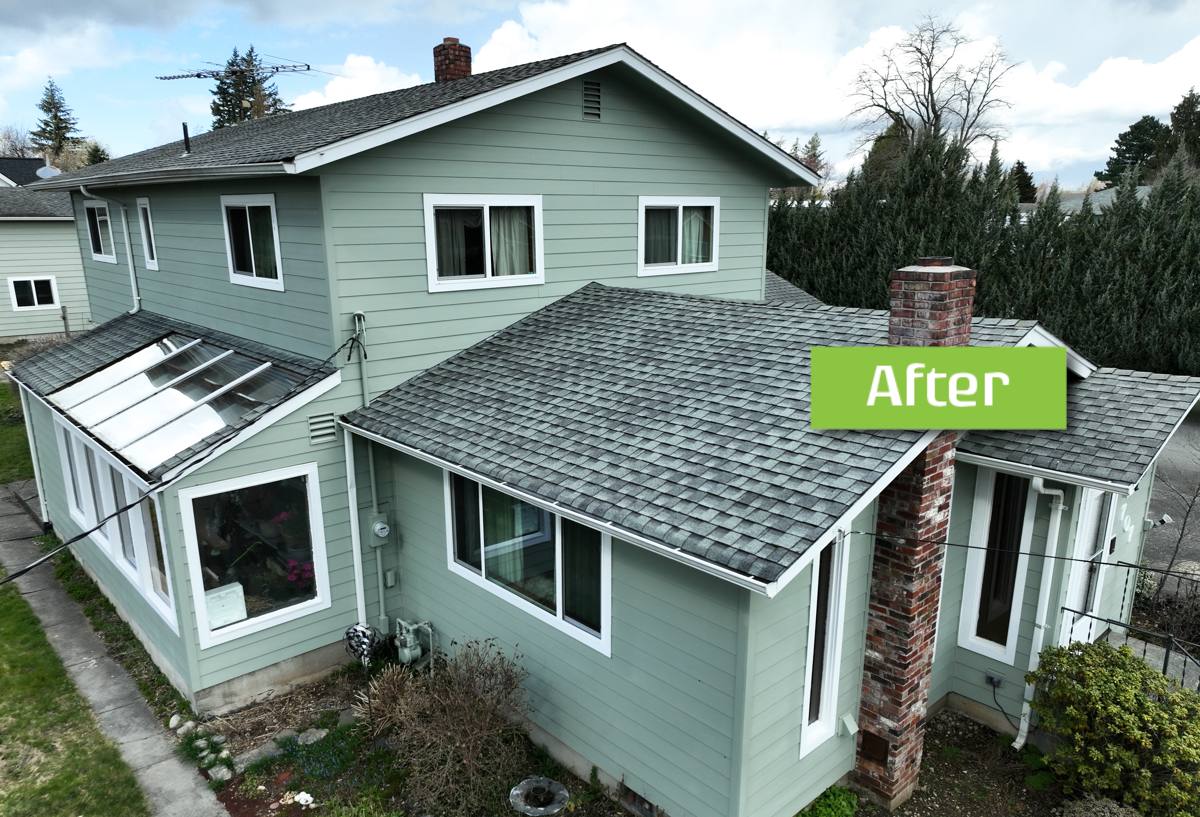
What Salt Air, Rain, and Moss Actually Do to a Shingle Roof
Salt Air and Corrosion
Airborne salt accelerates the breakdown of unprotected metal — nail heads, flashing, and fasteners in particular. Over years, corroded fasteners lose their grip and flashing seams can weaken, which is how water finds its way under shingles that otherwise look fine from the ground. It's a slow process, which is exactly why it's easy to overlook until it shows up as an interior stain.
Driving Rain and Wind-Driven Water
This part of Washington gets rain that doesn't just fall straight down — wind pushes it sideways and up under shingle edges, especially at valleys, eaves, and anywhere two roof planes meet. A roof that relies only on the shingles themselves for waterproofing, without proper underlayment and flashing detail, will eventually leak in exactly these spots. It's rarely the field of the roof that fails first; it's the transitions and edges.
Moss, Shade, and Trapped Moisture
North-facing slopes, roofs under tree cover, and anywhere shade keeps a roof damp longer between rains are prime territory for moss. Moss doesn't just look bad — it holds moisture against the shingle surface, works its way under tabs as it grows, and can lift shingles enough to let water in. A long moss season here means this isn't a once-a-decade concern; it's an ongoing maintenance item for most homes in the area.
What a Correctly Installed Roof Needs in This Climate
A roof that's going to hold up under these conditions needs more than good shingles on top. The system underneath matters just as much:
- Ice and water shield at eaves and valleys — a self-adhering waterproof membrane in the spots most exposed to wind-driven rain and ice damming
- Synthetic underlayment across the full deck — a second line of defense if wind-driven water gets past the shingles
- Balanced ventilation — intake at the eaves and exhaust at the ridge, so the attic doesn't trap moisture that shortens the life of the deck and shingles from underneath
- Corrosion-resistant fasteners and flashing — standard-grade metal degrades faster in salt air; the right materials cost a little more up front and save a re-flash later
- Algae- and moss-resistant shingles — granules treated to resist the growth that's otherwise constant in shaded, damp conditions
- Correct nailing pattern and starter course — the single biggest factor in whether shingles stay put during strong wind events
Skip any one of these and the roof will likely still look fine on installation day. The difference shows up in year five or ten, not year one.
Signs Your Oak Harbor Roof Needs a Closer Look
- Dark streaking or green-black patches, especially on shaded or north-facing slopes
- Granules collecting in gutters or at the base of downspouts
- Shingle edges that look curled, lifted, or cupped
- Visible moss growth, even if it's still thin
- Rust staining around flashing, vents, or nail heads
- Soft spots, sagging, or discoloration on interior ceilings after heavy rain
- A roof that's 18-20+ years old and hasn't had a professional inspection recently
Any one of these on its own isn't necessarily an emergency, but they're worth having looked at before the next storm season rather than after.
Choosing a Shingle for This Climate
Not every asphalt shingle is built the same, and the differences matter more here than in a drier, calmer climate. Here's how the common options compare for wind and moisture exposure like Oak Harbor sees:
| Shingle Type | Wind / Rain Performance | Moss & Algae Resistance | Typical Lifespan |
|---|---|---|---|
| 3-tab (standard) | Lower wind rating, more edge exposure | Only with treated versions | 15-20 years |
| Architectural / laminate | Higher wind rating, better edge seal | Widely available with algae-resistant granules | 25-30 years |
| Impact-rated / heavier laminate | Strongest wind and impact performance | Widely available with algae-resistant granules | 30+ years |
For most homes near the water, we lean toward architectural shingles with algae-resistant granules as the practical baseline — the wind performance and moss resistance are worth the modest cost difference over 3-tab. Impact-rated options make sense for homes with more tree exposure or owners who want the longest possible service life, but they're not necessary for every roof.
Our Process, Start to Finish
- On-site inspection — we walk the roof (not just look from the ground), check the attic for ventilation and moisture issues, and assess the deck condition
- Honest scope and estimate — what needs to happen and why, in plain terms, before any work starts
- Tear-off and deck inspection — old material removed, deck checked for soft spots or rot that need repair before new shingles go on
- Waterproofing layer — ice and water shield at eaves and valleys, underlayment across the field
- Flashing — new corrosion-resistant flashing at chimneys, walls, vents, and valleys
- Shingle installation — starter strip, field shingles, and ridge cap installed to the manufacturer's nailing spec
- Ventilation check — intake and exhaust confirmed balanced for the attic size
- Cleanup and magnetic nail sweep — yard and driveway cleared of debris and stray fasteners
- Final walk-through — we review the finished roof with you and go over warranty coverage before we consider the job done
What Affects the Cost of a Reroof
Every roof is different, so we don't quote off a phone call — but these are the factors that actually move the price, and it helps to know them before an estimate visit:
| Factor | Why It Matters |
|---|---|
| Roof size and number of planes | More square footage and more valleys/hips mean more material and labor |
| Number of existing layers | Tear-off of multiple old layers takes longer and adds disposal cost |
| Deck condition | Rotted or soft decking found during tear-off needs repair before new shingles go on |
| Pitch and access | Steeper roofs and difficult access require more safety setup and time |
| Shingle type selected | 3-tab, architectural, and impact-rated options have different material costs |
| Ventilation or flashing upgrades | Bringing an older roof's ventilation or flashing up to current standards adds scope |
We'll walk you through exactly how these apply to your roof during the estimate, with no pressure to upgrade beyond what actually makes sense for your home.
Maintenance That Actually Matters Here
A well-installed roof still benefits from a little seasonal attention in this climate. Keeping gutters and downspouts clear prevents water from backing up under the eave line, especially during heavy rain events. Trimming back branches that overhang the roof cuts down on the shade and debris that feed moss growth. And a professional check every few years — looking at flashing, fasteners, and granule condition up close — catches small issues while they're still small. None of this is complicated or expensive, but skipping it is the most common reason a well-built roof underperforms its expected lifespan out here.
Why Hiring a Crew That Already Works Oak Harbor Matters
A roofer who works this stretch of the Salish Sea coastline regularly knows which slopes on which orientations tend to hold moss longest, how much wind exposure a given site typically sees, and which flashing details actually hold up to salt air over time — because they've gone back and seen how their own past work performed. That kind of local pattern recognition doesn't come from a manufacturer's install guide; it comes from doing the work in this specific climate, on this specific coastline, year after year. It's also why we don't push every homeowner toward the most expensive option — we've seen what actually needs to be upgraded here and what's optional.
If you're dealing with an aging roof, visible moss, or just want an honest read on how much life is left in what you have, we're happy to take a look. The estimate is free, there's no pressure attached to it, and you'll get a straight answer either way — use the form below to get in touch.