 Anacortes
 Living on the Water's Edge: What Ship Harbor Asks of a Roof
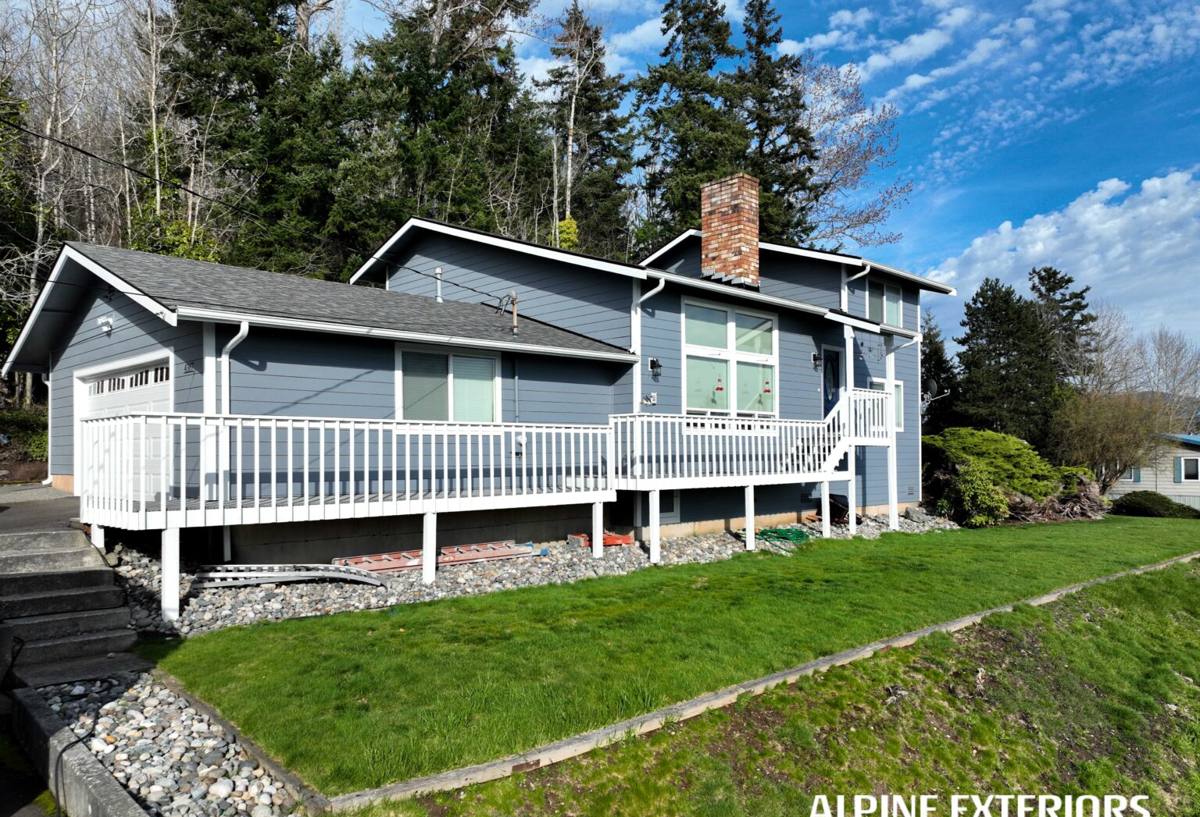
Homes in the Ship Harbor area sit close enough to open water that the roof above them is doing a different job than a roof ten miles inland. Between the salt-laden air off Rosario Strait, wind-driven rain that comes in sideways during winter storms, and a moss season that can stretch from October well into spring, a roof here takes a steady beating year-round. A replacement that isn't built with those specific conditions in mind will show its age faster than it should, no matter how good the shingle looks on the day it goes on.
Salt Air and Metal Fatigue
Airborne salt accelerates corrosion on exposed metal — flashing, fasteners, vents, and gutter hardware all take the hit. Standard galvanized fasteners and lower-grade flashing can start showing rust streaks and pitting well before a roof's shingles are due for replacement. Near the water, the metal components matter as much as the shingle itself.
Wind-Driven Rain Off Rosario Strait
Anacortes gets a lot of rain that doesn't fall straight down. Storms moving through the strait push rain sideways and upward under eaves, around valleys, and into any gap in the flashing. A roof system built for a calmer inland climate often assumes rain behaves more politely than it does out here — that assumption is exactly where leaks start.
A Long, Damp Moss Season
Skagit County's wet, mild winters are ideal growing conditions for moss and algae, especially on north-facing slopes and roof sections shaded by mature trees, which are common throughout Ship Harbor's wooded lots. Moss holds moisture against the roofing material long after the rest of the roof has dried out, and over a few seasons that trapped moisture works its way into the deck.
Signs a Ship Harbor Roof Has Reached the End of Its Service Life
Not every roof problem calls for a full replacement, but a few signs consistently point that direction rather than toward another round of patching:
- Granule loss heavy enough that you're finding grit in gutters and downspouts every season
- Shingles that are cupping, curling, or cracking, especially on south- and west-facing slopes
- Moss growth that returns within a year of cleaning, even after treatment
- Soft spots or sagging when walked, which usually means deck damage underneath
- Rust staining or visible corrosion at flashing, vents, or fastener heads
- Daylight visible through the attic or consistent moisture/staining on interior ceilings
- A roof that's already had two or more repair visits for unrelated leaks in the past couple of years
If a roof is showing two or more of these at once, patch repairs tend to become a pattern rather than a fix. That's usually the point where a straightforward, honest conversation about replacement saves money over time.
What a Correct Roof Replacement Includes
A roof replacement is only as good as what happens underneath the finished surface. In a marine climate like Ship Harbor's, a few steps matter more than they would elsewhere.
Tear-Off and Deck Inspection
We remove the old roofing down to the deck rather than layering over it. That lets us actually see the plywood or plank sheathing underneath and replace any sections that have soft spots, delamination, or rot before new material goes down. Covering over a damaged deck just hides the problem for a few more years.
Underlayment and Ice-and-Water Protection
Given how much wind-driven rain this area sees, we treat self-adhered ice-and-water membrane at eaves, valleys, and roof-to-wall transitions as standard, not optional upgrade. Synthetic underlayment across the rest of the field holds up better than old felt paper against repeated wet-dry cycling.
Flashing Details
Chimneys, skylights, dormers, and sidewall intersections are where most roof leaks actually originate — not in the open field of shingles. We use corrosion-resistant flashing and proper step-and-counter-flashing methods at every penetration and wall intersection, which matters more here than in a drier inland climate.
Ventilation
Balanced intake and exhaust ventilation keeps the underside of the roof deck dry and helps prevent condensation that adds to the moisture load moss and rain are already putting on the roof from outside. It also protects the shingle warranty, since most manufacturers require adequate attic ventilation for coverage to hold.
Choosing Roofing Materials for a Marine Climate
There's no single "best" roofing material for every home — the right choice depends on the roof's slope, tree cover, budget, and how the homeowner wants to handle long-term maintenance. Here's how the common options compare for a property like the ones near Ship Harbor.
| Material | Salt Air / Corrosion | Moss & Algae Resistance | Typical Lifespan | Maintenance Consideration |
|---|---|---|---|---|
| Architectural asphalt shingle | Good with proper flashing metal | Better with algae-resistant (copper/zinc granule) versions | 25–30 years | Needs periodic moss removal on shaded slopes |
| Standard 3-tab shingle | Fair | Lower resistance, more prone to moss holding moisture | 15–20 years | Shortest lifespan option; more frequent upkeep |
| Standing seam metal | Excellent with coated/marine-grade panels | Very good — sheds moisture, little surface for moss to grip | 40–50+ years | Higher upfront cost, fewer long-term maintenance calls |
| Composite/synthetic shake | Good | Good | 30–40 years | Cost between architectural shingle and metal |
For homes with heavy tree cover or north-facing roof sections common around Ship Harbor, we generally steer homeowners toward algae-resistant shingle lines or metal, simply because they hold up better against the moss cycle without constant intervention. It's not that other materials fail — it's a matter of how much maintenance a homeowner wants to sign up for.
Our Process for a Ship Harbor Roof Replacement
- On-site assessment — We inspect the current roof, attic ventilation, and any trouble spots (valleys, chimneys, skylights) and take measurements for an accurate material estimate.
- Written estimate and material selection — You get a clear, itemized quote and a walk-through of material options suited to your roof's exposure and slope.
- Scheduling around the weather — Roofing in Skagit County means working with the weather window, not against it. We schedule tear-off and dry-in to minimize the time your deck is exposed.
- Tear-off and deck repair — Old roofing comes off, the deck is inspected, and any damaged sheathing is replaced before anything new goes down.
- Underlayment, flashing, and ventilation installation — Ice-and-water membrane, synthetic underlayment, new flashing, and ventilation components go in per manufacturer specification.
- New roofing installation — Shingles, metal panels, or composite material installed to manufacturer specs to keep warranty coverage intact.
- Cleanup and final walkthrough — Site cleared of debris and fasteners (we run a magnetic sweep), and we walk the finished roof with you before calling the job done.
Keeping a New Roof Healthy Through Moss Season
A correctly installed roof still benefits from some basic upkeep in this climate. A few habits go a long way toward protecting the investment:
- Keep gutters and downspouts clear so water isn't backing up under the roof edge during heavy rain
- Have moss and debris removed from shaded or north-facing slopes before it builds up thick enough to hold moisture
- Trim back overhanging branches where practical to reduce shade, debris, and moss spore contact
- Schedule a visual roof check after major windstorms, which are common off the strait in winter
- Avoid pressure-washing shingles directly — it can strip granules and shorten shingle life; low-pressure, roof-safe cleaning methods are gentler
Why Hire a Crew That Already Works This Neighborhood
A roofer who mainly works drier, inland parts of Skagit County can still do competent work, but they may not default to marine-grade flashing, upgraded underlayment coverage, or algae-resistant materials unless a homeowner specifically asks. A crew that regularly works Ship Harbor and the rest of Fidalgo Island's shoreline treats those choices as standard practice, because we've seen firsthand what happens when they're skipped — recurring leaks at the same flashing points, premature granule loss, and moss that keeps coming back no matter how often it's cleaned off.
Before hiring anyone for a roof replacement on a home exposed to this kind of weather, it's worth asking a few direct questions:
- Are you licensed and insured to work in Washington State, and can you provide proof?
- What underlayment and ice-and-water coverage do you use as your standard, not just as an upsell?
- What flashing material and gauge do you install at chimneys, skylights, and valleys?
- Do you tear off down to the deck, and how do you handle deck repairs if damage is found?
- What manufacturer warranty applies, and does your installation method keep it valid?
- Can you provide local references from homes in a similar exposure — waterfront or heavily wooded lots?
Ready for an Honest Look at Your Roof
If your roof is showing its age or you just want a straight answer about how many years it has left, we're happy to take a look. We'll give you a clear, no-pressure estimate and explain exactly what we find — no scare tactics, no upsells you don't need. Use the form below to request your free estimate for your Ship Harbor home.