 Anacortes
 Siding Built for La Conner's Marine Climate
La Conner sits right where the Swinomish Channel meets Skagit Bay, which means homes here deal with a combination few inland Washington towns face: near-constant marine humidity, salt-laden air blowing in off the water, and long stretches of gray, wet weather that keep exterior surfaces damp for days at a time. Add in the shade from mature trees and tight lot spacing common in and around La Conner, and you get ideal conditions for moss, algae, and mildew to take hold on siding that isn't built to resist them.
Siding installation in this kind of environment isn't just about picking a color and nailing up panels. It's about choosing a material that won't swell, rot, or delaminate when it stays wet, and installing it in a way that keeps water moving away from the wall assembly instead of trapping it against the sheathing. That's the standard we hold every La Conner project to.
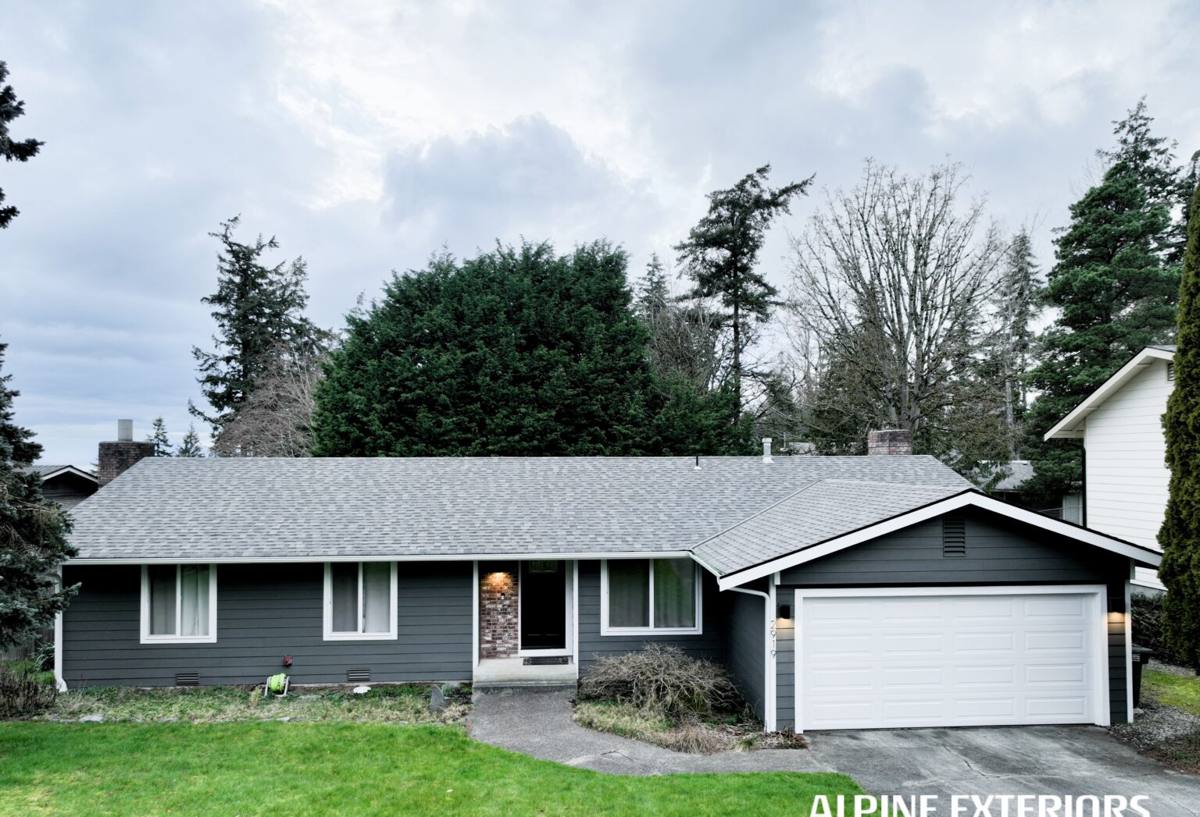
What Salt Air and Moss Season Actually Do to Siding
Salt Air
Airborne salt from Skagit Bay settles on exterior surfaces and accelerates corrosion of exposed fasteners, trim edges, and any metal flashing that isn't properly coated or protected. On wood-based or wood-composite siding products, salt exposure combined with moisture speeds up fiber breakdown at seams and cut ends.
Driving Rain
Storms coming off the Sound often arrive with wind-driven rain that hits walls at an angle rather than falling straight down. That means water gets pushed into laps, seams, and butt joints that would stay dry in a calmer climate. Siding and flashing details that work fine in drier parts of the state can fail here if they weren't detailed for wind-driven exposure.
Moss and Algae Season
Skagit County's wet season stretches long, and shaded, north-facing walls in particular stay damp for extended periods. Porous or textured siding surfaces give moss and algae spores something to grip onto. Once established, moss holds moisture directly against the siding surface, which is exactly the condition that leads to rot, paint failure, and premature material breakdown.
Why We Install James Hardie Fiber Cement — And Nothing Else
We standardized our company on James Hardie fiber cement siding, full stop. We don't install vinyl, LP SmartSide, primed spruce, cedar, or other fiber cement brands. That's a deliberate decision, not a lack of options.
Fiber cement is made from cement, sand, and cellulose fibers — it's non-combustible and doesn't have the wood content that gives moisture a food source for rot or the organic surface that vinyl and some composite products can develop biofilm on over time. James Hardie's ColorPlus factory-applied finish is baked on under controlled conditions, which gives it far better resistance to fading, chipping, and moisture intrusion at the surface than field-applied paint. For a climate that includes salt spray and months of damp shade, that combination matters more here than in most parts of the state.
James Hardie also engineers specific product lines for different climate zones (HZ5 for the Pacific Northwest's wet-and-freeze conditions), and backs installations with a strong, transferable limited warranty — but only when the product is installed to their published specifications. That last part is the whole ballgame, and it's where a lot of siding jobs go wrong regardless of what brand was used.
What Correct Installation Actually Involves
A siding job can use the right product and still fail if it's installed wrong. In a marine climate like La Conner's, these details aren't optional extras — they're what determines whether the siding performs for decades or starts showing problems in a few years.
- Water-resistive barrier (WRB): A continuous weather barrier installed correctly behind the siding, with all penetrations properly sealed.
- Flashing at every horizontal joint: Windows, doors, and trim transitions need flashing that directs water outward and downward, not into the wall cavity.
- Proper clearance and gaps: Manufacturer-specified gaps at butt joints and trim, and clearance from grade, roof lines, and decks so siding isn't sitting in standing water or splashback.
- Correct fastening: Right fastener type, spacing, and placement per Hardie's install guide — over-driven or misplaced nails are one of the most common causes of early siding failure.
- Caulking and sealant strategy: Sealed where it should be sealed, left open where it needs to breathe — getting this backwards traps moisture instead of releasing it.
- Ventilation behind the cladding: Where applicable, a rainscreen gap that lets any moisture that does get in dry out instead of sitting against the sheathing.
Skip any one of these and you can end up with a wall that looks fine for a year or two and then starts failing from the inside out — exactly the kind of failure that's hard to see coming and expensive to fix once it's found.
Our Process for La Conner Projects
1. On-Site Assessment
We walk the property, check the condition of the existing siding and sheathing, look for any signs of moisture damage or past problems, and note site-specific factors — shade patterns, exposure to wind and salt air, proximity to the water, drainage around the foundation.
2. Removal and Substrate Check
Old siding comes off and we inspect the sheathing underneath before anything new goes up. If there's rot or water damage from a prior installation, that gets addressed first — covering up a compromised substrate with new siding just hides the problem.
3. Weather Barrier and Flashing
We install the water-resistive barrier and flashing system to spec before a single piece of Hardie board goes up. This is the layer that actually keeps the building dry, and it's the part that's invisible once the job is finished.
4. Hardie Installation
Panels, lap siding, or trim go up per James Hardie's installation guide — correct fastening, correct gaps, correct sealant approach — with attention to the specific exposure conditions of the site.
5. Final Walkthrough
We review the finished work with the homeowner, confirm everything is sealed and finished correctly, and make sure the details that matter for long-term performance were actually followed, not just the ones that are visible from the curb.
Comparing Siding Options for a Marine Environment
| Factor | James Hardie Fiber Cement | Vinyl | Wood / Wood-Composite |
|---|---|---|---|
| Moisture & rot resistance | High — cement-based, no wood fiber to rot | Won't rot, but can warp or crack with temperature swings | Vulnerable without diligent maintenance |
| Salt air performance | Strong — non-organic material, factory finish resists degradation | Generally stable but can chalk and fade faster near salt exposure | Salt accelerates finish and fiber breakdown |
| Moss/algae resistance | Smooth ColorPlus finish sheds moisture, reduces buildup | Can trap grime in seams; algae can grow on surface | Textured, porous surface is prone to moss growth |
| Fire resistance | Non-combustible | Combustible, can melt/deform in heat | Combustible |
| Finish longevity | Factory-baked ColorPlus finish, long warranty | Color is through the material but can fade/chalk over time | Field-applied paint/stain needs regular reapplication |
What This Means for Your La Conner Home
If your home is showing moss buildup, peeling paint, soft spots, or siding that stays visibly damp long after a storm passes, those are signs the current material or installation isn't handling the local climate well. In a town this close to the water, that's not unusual — it's just a sign the siding wasn't matched to the conditions it's living in.
A correctly installed fiber cement system addresses the root causes: a material that doesn't feed rot, a finish that resists the salt and moisture cycle, and an installation detail set built for wind-driven rain rather than fair-weather conditions.
Questions to Ask Before Hiring Anyone for Siding Work in La Conner
- Do they install to the manufacturer's published specifications, or their own shortcuts?
- Do they check and address the sheathing condition before installing new siding, or just cover what's there?
- Are they familiar with flashing and weather-barrier detailing for wind-driven rain and marine exposure?
- Can they explain why they chose the specific product line they're recommending for your home's exposure?
- Do they stand behind the installation with a real warranty, not just the manufacturer's material warranty?
A crew that regularly works in La Conner and the surrounding Skagit County waterfront has already run into the salt air, moss, and driving-rain conditions your home faces — and has adjusted installation details accordingly, rather than treating every job the same regardless of location.
If you're planning a siding project in La Conner, we're happy to take a look at your home, walk you through what we're seeing, and put together a straightforward, no-pressure estimate. Fill out the form below to get started.