 Anacortes
 Guemes Island Puts Siding Through More Than Most Houses Ever See
Guemes Island sits right where Skagit County's marine weather has nowhere to go but straight at the houses. Homes here take on salt-laden air off the water, driving rain that arrives sideways more often than it falls straight down, and a shoulder season that can stay damp and shaded long enough to grow a green film on anything that isn't drying out properly. Add in the fact that the island is only reachable by ferry, and you have a setting where the wrong siding choice — or a sloppy install of the right one — shows its problems faster than it would on a typical mainland lot in Anacortes.
This page is about one thing: replacing siding on a Guemes Island home the right way, with a product built to take what this island throws at it, installed by a crew that already understands the logistics and the climate.
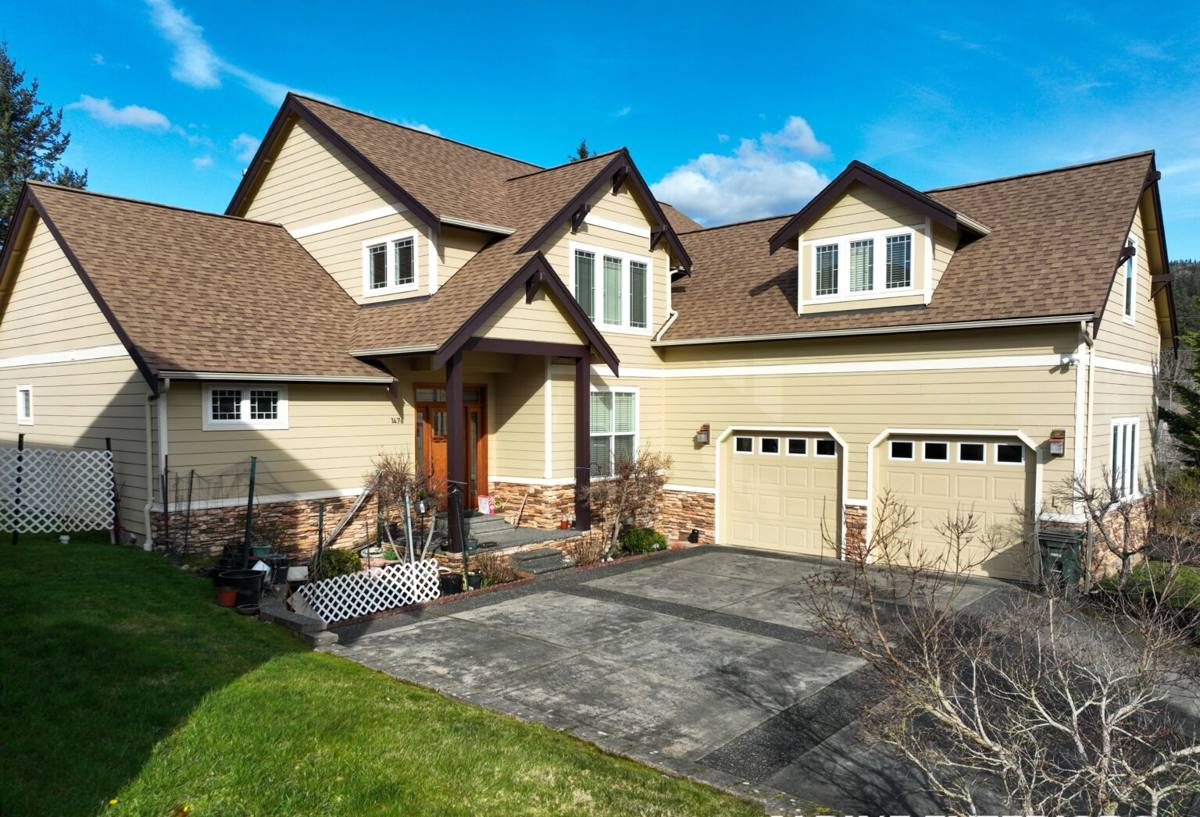
What the Island Climate Actually Does to Siding Over Time
Salt Air and Slow Corrosion
Waterfront and near-waterfront exposure means airborne salt settling on siding, trim, and especially fasteners. Standard fasteners and thin flashing corrode faster in this environment, and once a fastener head starts rusting, water tracks down into the siding material around it. Over years, that's how small metal problems turn into siding replacement problems.
Wind-Driven Rain
Because the island has open water exposure on multiple sides, rain doesn't just fall on Guemes Island homes — it gets pushed into seams, laps, and trim joints by wind. Siding that relies on paint alone to keep water out, or that isn't installed with a proper drainage plane behind it, eventually lets moisture in around windows, corners, and butt joints even if the face of the siding still looks fine.
Moss, Algae, and Shade
A lot of island lots carry mature tree cover, which is part of the appeal — but it also means siding on the north and shaded sides stays damp longer after every rain. That's exactly the condition moss and algae need. Wood-based siding is especially vulnerable because moisture that gets trapped under a moss mat has direct access to organic material to feed on.
Signs a Guemes Island Home Needs Siding Replacement, Not Just a Repair
Not every issue means a full tear-off. But on island homes, these signs usually mean the siding's ability to manage water has been compromised, not just its appearance:
- Soft or spongy spots when you press on siding, especially near the bottom courses and around windows
- Persistent moss or dark staining that comes back within weeks of cleaning
- Visible rust streaking below fastener heads or trim edges
- Paint that's bubbling, peeling, or failing faster than the repaint cycle should allow
- Warping, cupping, or separated seams on wood or older composite siding
- Interior signs — musty smell, peeling interior paint, or soft drywall — on exterior walls
- Siding that's more than 20-25 years old and has never been fully replaced, only patched
Comparing Siding Materials for Guemes Island Conditions
We get asked why we don't offer vinyl, LP SmartSide, or cedar as options here. The honest answer is that in a salt-air, high-moisture, high-moss environment, those materials carry trade-offs we're not willing to install and then have to answer for later. Here's how the common options actually stack up against this island's conditions:
| Material | Salt Air Durability | Moss/Moisture Resistance | Wind-Driven Rain Behavior | Long-Term Maintenance |
|---|---|---|---|---|
| Vinyl | Fair — can chalk and become brittle | Poor — traps moisture behind panels | Weak seams under wind pressure | Low upkeep but short lifespan in harsh exposure |
| Cedar / wood | Poor without constant upkeep | Poor — organic material feeds moss/rot | Absorbs water at joints and end grain | High — repainting, sealing, plank replacement |
| LP SmartSide (engineered wood) | Fair, sensitive to edge sealing | Moderate — vulnerable if edges aren't sealed and maintained | Moderate, install-sensitive | Moderate — edge maintenance is critical |
| James Hardie fiber cement | Strong — non-combustible, dimensionally stable | Strong — factory finish resists moisture absorption | Strong when installed with proper drainage plane | Low — no repainting cycle with ColorPlus finish |
Fiber cement isn't magic — it still has to be installed correctly to perform this way. But as a base material, it's the one that holds up to island conditions with the least ongoing maintenance burden on the homeowner.
Why We Install Only James Hardie Fiber Cement
We standardized on James Hardie because it's engineered specifically for climates like this one. Hardie's HZ5 product line is formulated for Pacific Northwest moisture exposure, and the ColorPlus factory finish is baked on under controlled conditions — it holds up to UV and salt exposure far better than field-applied paint, and it means you're not on a repainting schedule every 5-8 years like you would be with wood.
Hardie is also non-combustible fiber cement, which matters to a lot of island and rural Skagit County homeowners given wildfire season concerns and the reality that fire response on an island can take longer than on the mainland. And because Hardie backs its siding with a strong transferable warranty, if you sell the home later, that protection carries to the next owner — a real selling point for waterfront and island properties.
We don't install LP SmartSide, vinyl, Cemplank, Allura, primed spruce, or cedar. Each of those products has legitimate uses elsewhere, but for the specific combination of salt air, wind-driven rain, and moss exposure Guemes Island homes deal with year after year, we've made Hardie our standard and we stand behind that choice.
What a Correct Siding Replacement Actually Involves
Replacing siding is easy to do poorly and easy to get away with — for a while. The problems show up years later, usually as rot behind siding that looked fine from the outside. A correct job on a Guemes Island home includes:
Full Tear-Off and Inspection
We remove the old siding down to the sheathing so we can actually see what's underneath — not guess at it. Any rot, soft sheathing, or water damage found at this stage gets repaired before anything new goes on. Skipping this step is the single most common way "new siding" ends up covering an old problem.
Water-Resistive Barrier and Drainage Plane
Given how much wind-driven rain this island sees, the house wrap and drainage plane behind the siding matter as much as the siding itself. A proper rainscreen gap lets any moisture that does get past the siding drain and dry out instead of sitting against the wall.
Flashing and Fastening Detail
Windows, doors, and trim transitions are where wind-driven rain finds its way in. Correct flashing at every penetration, along with corrosion-resistant fasteners suited to a salt-air environment, is what keeps those details from becoming leak points five or ten years down the road.
Installed to Manufacturer Spec
James Hardie's performance and warranty both depend on installation to their specifications — correct nailing patterns, clearances, and caulking at joints. Cutting corners here is exactly what turns a strong product into a mediocre installation.
Working Around the Realities of Ferry Access
Guemes Island logistics are different from a job in downtown Anacortes, and pretending otherwise leads to blown schedules and half-finished jobs sitting exposed to weather. We plan material deliveries and crew schedules around the ferry, staging enough material on-site to keep the crew working full days instead of losing time waiting on a return trip. Debris and old siding removal gets consolidated and hauled off efficiently rather than making unnecessary crossings. It's a small logistical detail, but it's the difference between a job that finishes on schedule and one that drags on with a partially exposed house sitting through a stretch of island weather.
Our Process, Start to Finish
- On-site assessment scheduled around the ferry, with a real look at your current siding and any moisture damage
- A written estimate covering material, labor, and any sheathing repair contingencies
- Material and crew scheduling planned to minimize island trips and keep work continuous
- Full tear-off, sheathing repair as needed, and correct water-resistive barrier installation
- Hardie siding installed to manufacturer spec, with corrosion-resistant fastening and flashing detail
- Final walkthrough and cleanup, with debris hauled off the island
Why Hiring a Crew That Already Works Guemes Island Matters
A lot of siding contractors will quote a Guemes Island job and then treat it like any other stop on the schedule — one trip, rushed timeline, no real plan for the ferry or the weather window. That approach is how island homeowners end up with exposed sheathing sitting through a rainstorm because the crew couldn't get back for another day. A crew that already works the island plans around the ferry as a matter of course, understands which sides of a house take the worst of the wind-driven rain, and knows what moss-prone shaded exposure actually looks like before the first panel goes up. That experience also matters after the job is done — if a warranty question or a service call ever comes up, you want a contractor who's still working the island regularly, not one who quoted a single job and moved on.
If you're dealing with aging or damaged siding on a Guemes Island home, we're happy to come take a look and give you a straightforward, no-pressure estimate — no obligation, just an honest read on what your home needs.