 Anacortes
 Board & Batten Siding Built for Similk Beach's Shoreline Climate
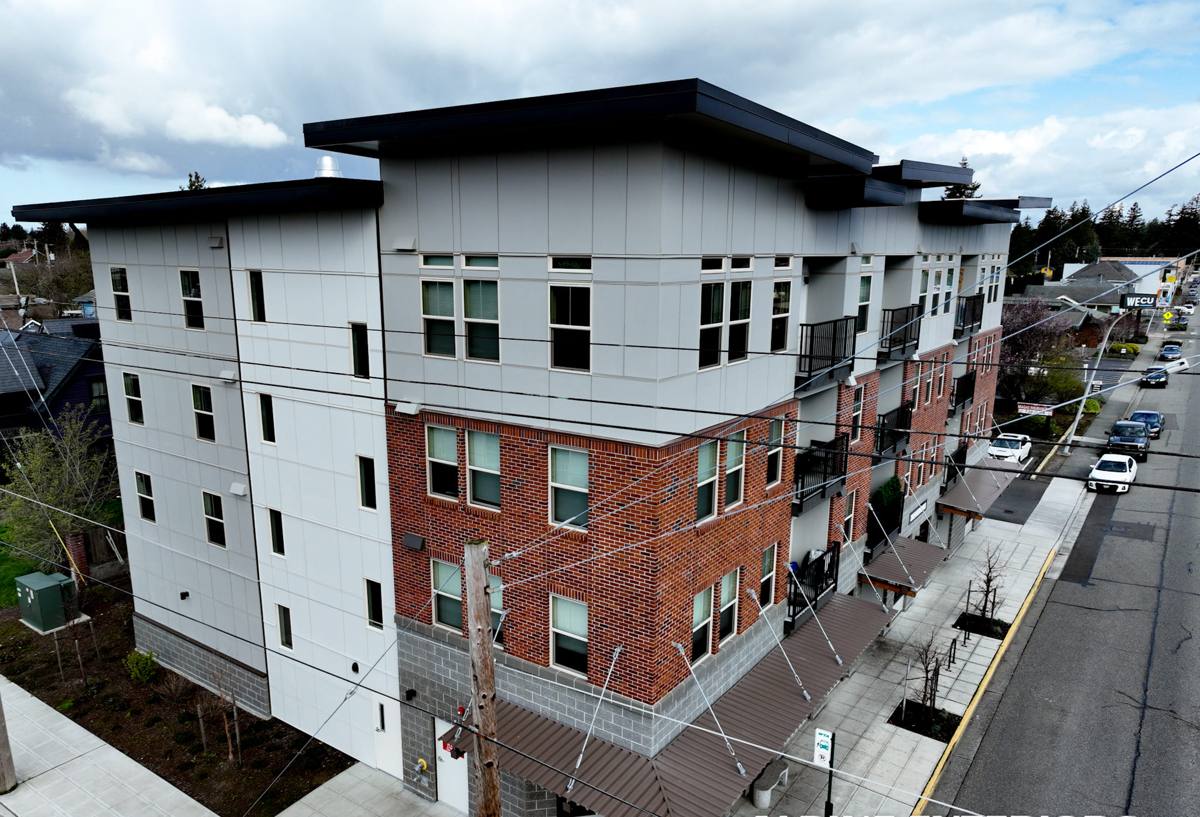
Board and batten is one of the most requested siding styles on the water side of Anacortes, and Similk Beach is no exception. The vertical lines read clean and modern on newer builds, and they sit comfortably on older cabins and cottages that were never meant to look flashy. But the style is only half the story. Out here, close to Similk Bay and the open water and wind that come with it, the material underneath the battens matters as much as the look on top. We install board and batten siding for Similk Beach homeowners using James Hardie fiber cement exclusively, and this page walks through why, what the climate demands, and what a correct installation actually involves.
What Similk Beach's Climate Does to Siding
Homes near the water in Skagit County deal with a specific combination of stresses that inland Anacortes properties see less of. Salt-laden air off the bay accelerates corrosion on fasteners and hardware, and it degrades paint film faster than a typical inland exposure. Driving rain off Puget Sound doesn't fall straight down — wind pushes it sideways into wall assemblies, which means vertical siding profiles need real attention to water management behind the boards, not just a good caulk joint on the face. And the long, damp shoulder seasons that define this part of Washington mean moss and algae get a head start every fall and don't fully let go until late spring.
Board and batten siding is particularly exposed to two of these issues. The vertical battens create more seams running up the wall than a horizontal lap profile does, and each of those seams is a potential path for wind-driven rain if it isn't detailed correctly. And a smooth or lightly textured vertical board holds moss and grime differently than a lapped, shingled surface — dirt and organic growth streak straight down the face instead of shedding at each course line, so the material needs to resist staining and hold its finish, not just resist water intrusion.
Why This Rules Out Some Common Board & Batten Materials
Cedar board and batten looks great going up, but real wood in a salt-air, high-moisture environment needs consistent refinishing to keep water out of the grain — skip a cycle or two and you're looking at cupping, splitting, or rot at the battens first. Vinyl board and batten sheds water fine but it's a thin material that becomes brittle in cold snaps and can visibly ripple or fade under sustained UV and salt exposure, and the vertical panel style tends to show waviness more than lap vinyl does. LP SmartSide is a wood-strand product with a resin-saturated outer layer that performs reasonably in moderate climates, but it's still an engineered wood product at its core — any breach in the factory coating, especially at a cut edge or fastener hole near the waterline, gives moisture a path into a substrate that swells and degrades faster than fiber cement. We don't install any of these products. That's a deliberate standard, not a knock on every home that has them.
What a Correct Board & Batten Job Involves
A board and batten installation is more than screwing boards to the wall vertically. Done right, it's a layered water management system with the visible battens as the last line of defense, not the only one.
- A drainage plane (weather-resistive barrier) installed continuously behind the siding, lapped correctly at every seam and penetration
- A rainscreen gap or furring strategy that lets any water that gets behind the cladding drain and dry instead of sitting against the sheathing
- Properly flashed windows, doors, and any wall penetrations before a single panel goes up
- Vertical panels installed with the manufacturer-specified gap and fastener pattern, not tight-butted
- Battens set to cover panel seams fully, fastened into framing with corrosion-resistant fasteners suited to a marine-influenced environment
- Factory-finished caulk joints at trim and terminations, using a sealant rated for the finish system
- Clearance maintained at the base of the wall so siding never sits in contact with grade, decking, or standing water
Skip any one of these steps and the siding might look right for a year or two before problems show up behind the wall — which is exactly when they're expensive to fix.
James Hardie Board & Batten: The Product System We Use
For board and batten, we install HardiePanel vertical siding with HardieTrim battens over the seams — factory-engineered fiber cement, not job-site-cut wood trim. Both come with Hardie's ColorPlus factory finish baked on under controlled conditions, which holds color and resists fading far more consistently than field-applied paint, and it means less recoating over the life of the siding. The panels and trim are manufactured in the HZ5 formulation for our climate zone, engineered specifically for regions that see sustained moisture and temperature swings like Western Washington's. Fiber cement itself is non-combustible, doesn't absorb water the way wood or wood-strand products do, and holds its dimensions in wet-dry cycling instead of swelling and shrinking at the seams — which matters a lot on a profile that depends on tight, consistent batten coverage to look right for decades, not just at installation.
James Hardie backs the product with a transferable limited warranty, which matters if a Similk Beach property changes hands — a real consideration in a market with a strong mix of full-time residents and second homes near the water.
Material Comparison for Board & Batten Applications
| Material | Moisture Resistance | Maintenance Burden | Finish Longevity | Typical Lifespan |
|---|---|---|---|---|
| James Hardie fiber cement | Does not absorb/swell; engineered for wet climates | Low — occasional wash, no repainting cycle needed | Factory ColorPlus finish, long fade resistance | 30+ years with correct install |
| Cedar | Absorbs moisture; needs sealed end grain and joints | High — refinish every few years | Field-applied stain/paint fades faster | 15–25 years with diligent upkeep |
| Vinyl | Sheds water but seams can trap moisture behind panel | Low labor, but panel damage isn't repairable in place | Fades and can become brittle over time | 20–30 years, variable in coastal wind |
| LP SmartSide | Resin-treated but vulnerable at cuts/fasteners | Moderate — coating touch-up needed at damage points | Factory finish, but substrate risk if breached | 20–30 years, more install-sensitive |
Our Process for a Similk Beach Board & Batten Project
1. On-Site Assessment
We look at the wall assembly, existing siding condition, moisture staining, moss buildup, and how exposed each elevation is to wind-driven rain off the bay. South and west-facing walls closest to open water almost always need more attention to flashing and drainage detailing than sheltered elevations.
2. Prep and Water Management
Any compromised sheathing gets addressed before new siding goes up — covering rot instead of fixing it just buys a few quiet years before a bigger repair. Drainage plane and flashing go in next, inspected before anything vertical closes it in.
3. Installation
HardiePanel goes up to spec, battens follow, and every fastener, joint, and termination gets detailed the way Hardie's installation guidelines call for — not shortcuts to save a day of labor.
4. Final Inspection and Walkthrough
We walk the finished job with the homeowner, confirm every seam and joint is sealed correctly, and go over the basic care the siding will need going forward.
Why a Crew That Already Works Similk Beach Matters
Siding crews that mostly work inland Skagit County jobs don't always adjust their detailing for what a shoreline property actually experiences. Fastener selection, flashing sequencing, and how tight to set drainage gaps all shift when a home is taking direct wind-driven rain and salt exposure most of the year instead of occasional storms. A crew that's already done board and batten work around Similk Beach and the rest of the Anacortes shoreline has seen which details hold up out here and which ones fail early — and builds every new job around what actually works in this specific environment, not a generic install spec.
Caring for Board & Batten Siding Near the Water
- Rinse the siding once or twice a year to clear salt residue and slow moss/algae buildup, especially on shaded or north-facing walls
- Keep gutters clear so overflow doesn't run down the face of the siding or pool at the base of the wall
- Trim back vegetation that holds moisture against the siding or blocks airflow along a wall
- Inspect caulk joints at trim, windows, and penetrations annually and reseal if you see cracking or gaps
- Watch the base of the wall for standing water, mulch buildup, or grade that's crept up over time — siding should never sit buried or wet at the bottom edge
- Address any impact damage promptly rather than letting a cracked panel sit exposed through a wet season
Let's Look at Your Home
If you're planning a new build, a re-side, or just want a straight answer on what board and batten siding should cost and involve for a Similk Beach property, we're glad to come take a look. The estimate is free, there's no pressure, and you'll get a clear picture of what correct installation looks like for your specific wall exposure before you decide anything. Fill out the form below to get started.