 Anacortes
 West Anacortes Sits Right at the Edge of the Weather
Anacortes sits on Fidalgo Island, and the west side of the city faces the open water of Rosario Strait more directly than the neighborhoods tucked further inland. That matters for siding. Homes closer to the water take on-shore wind, salt-laden air, and driving rain almost year-round, and the tree cover common through this part of Skagit County keeps north and shaded walls damp long after a storm has passed. That combination — salt exposure plus persistent moisture plus limited drying time — is exactly the environment that wears out siding faster than almost anything else short of direct storm damage.
None of this means West Anacortes homes need something exotic. It means the siding material and the installation details both have to be right for a marine climate, not just installed to a generic spec. That's the lens we bring to every siding installation job in this neighborhood.
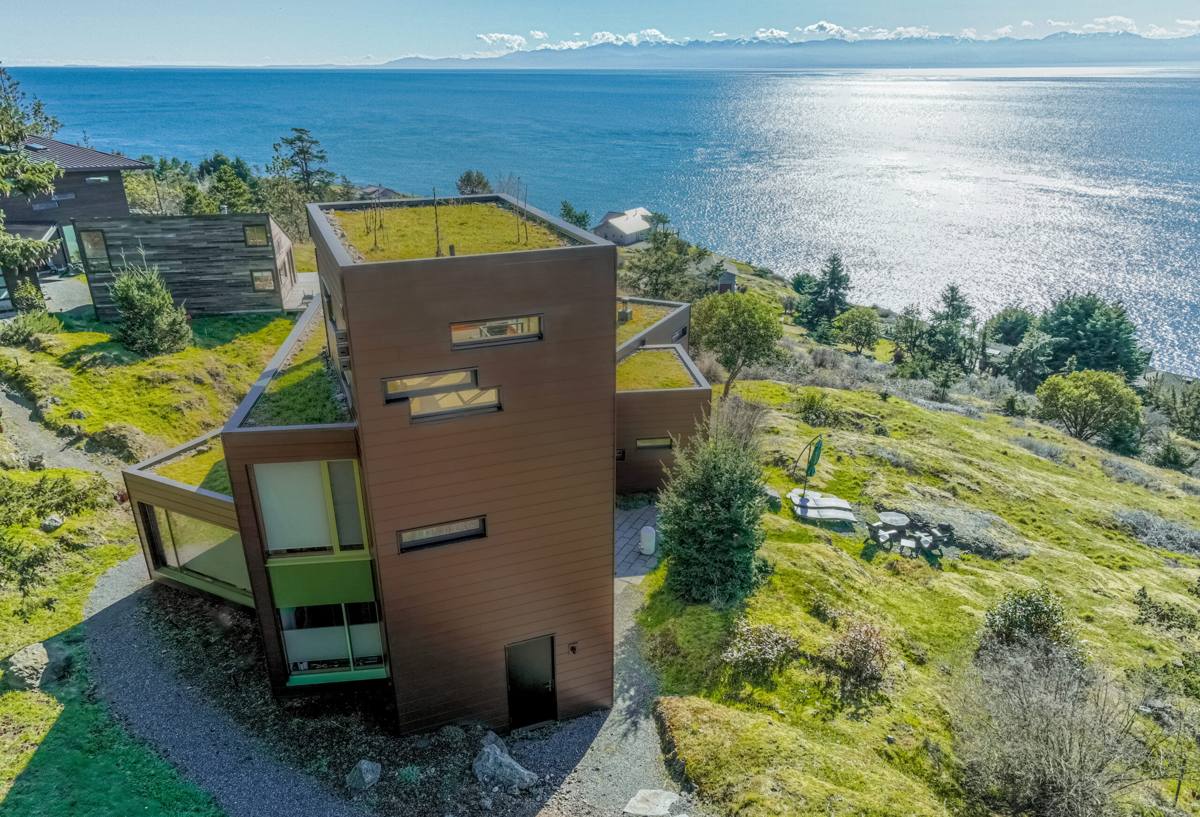
What Salt Air and Driving Rain Actually Do to Siding
Salt air is corrosive to unprotected metal fasteners and trim, and it accelerates the breakdown of lower-grade paint finishes, leaving chalky, faded surfaces years before a homeowner expects to repaint. Driving rain — especially wind-driven rain hitting west- and southwest-facing walls — pushes water into any gap in the siding system: unsealed joints, poorly lapped flashing, or fastener holes that weren't sealed correctly. Once water gets behind the siding, it doesn't dry quickly in this climate, and that's when sheathing and framing start to rot from the inside out, often long before there's any visible sign on the surface.
Then there's moss. Shaded, damp exterior walls in this part of Washington grow moss and algae readily, and once it takes hold on a porous or textured surface it holds moisture against the wall even longer, compounding the problem. A siding system that resists moss growth and sheds water cleanly is doing real structural work, not just looking better.
The Three Things That Fail First on Older Siding
- Caulked joints and butt seams that were never designed to flex with seasonal moisture cycles, cracking and letting water in
- Face-nailed or improperly fastened boards that trap water at the fastener head, leading to localized rot
- Paint or factory finishes that weren't rated for UV and salt exposure, fading or chalking within a few years
What a Correct Siding Installation Involves Here
Getting siding right in West Anacortes isn't just about the board you choose — it's about everything behind it. A correct installation includes a continuous weather-resistant barrier over the sheathing, properly lapped and sealed flashing at every window, door, and penetration, and a drainage plane that lets any incidental moisture escape rather than pool against the wall assembly. Fastener placement, spacing, and clearance from grade and other trim all follow the manufacturer's specifications — not because it's a formality, but because those specs exist specifically to handle climates like this one.
We also pay close attention to clearance and gapping at the bottom of the wall, around foundation lines, decks, and roof-to-wall intersections — the spots where wind-driven rain concentrates and where a lot of older installations were cut short. Skipping these details doesn't show up as a problem on day one. It shows up two, five, or ten years later as rot, staining, or a siding job that needs to be redone far sooner than it should.
Why We Install Only James Hardie Fiber Cement
We standardized on James Hardie fiber cement siding because it performs consistently in exactly the conditions West Anacortes deals with. It's non-combustible, it doesn't swell, delaminate, or rot the way wood-based or wood-fiber products can when they take on repeated moisture, and its factory-applied ColorPlus finish is engineered to hold color and resist fading under UV and salt air far longer than field-applied paint. Hardie also builds climate-specific HZ product lines, engineered for regions that see significant moisture exposure — which is a meaningful distinction from a one-size-fits-all siding product.
That doesn't mean fiber cement is magic. It still has to be installed to spec — correct fastening, correct clearances, correct flashing — to deliver on that durability. But starting with a material engineered for wet, coastal-influenced climates gives West Anacortes homeowners a real head start over products that were designed with a more forgiving climate in mind.
Why We Don't Install the Alternatives
Vinyl siding is affordable and low-maintenance in mild climates, but it can warp or become brittle with temperature swings and doesn't offer the same fire resistance or rigidity as fiber cement. LP SmartSide and other wood-strand products perform well when detailing is perfect, but they're more sensitive to sustained moisture exposure than fiber cement, and sustained moisture is the defining condition here. Primed spruce and cedar are attractive natural materials, but they require an ongoing maintenance commitment — repainting, sealing, and moisture monitoring — that most homeowners underestimate until the siding starts showing wear. We're not saying these products are bad; we're saying that for a marine-influenced climate like West Anacortes, the maintenance burden and moisture sensitivity aren't trade-offs we're willing to put on a home we install.
Our Installation Process
- Assessment and tear-off: We remove the existing siding and inspect the sheathing and framing underneath for hidden moisture damage before anything new goes up. This step matters more in West Anacortes than in drier climates, because damage can be present without obvious exterior signs.
- Repair before rebuild: Any compromised sheathing or framing gets repaired or replaced. Installing new siding over damaged substrate just hides the problem for a few more years.
- Weather barrier and flashing: A continuous weather-resistant barrier goes on, with flashing integrated at every window, door, and penetration to direct water out and away from the wall assembly.
- Siding installation to spec: James Hardie boards or panels go up following the manufacturer's fastening, spacing, and clearance requirements — not a shortcut version of them.
- Trim, caulking, and finish work: Joints are sealed with the correct sealants for exterior, coastal-influenced conditions, and factory-finished ColorPlus material minimizes the amount of field painting needed.
- Final walk-through: We inspect the completed work against the same standards we'd want on our own home before calling the job done.
Cost Factors for West Anacortes Siding Jobs
Every home is different, but a few factors consistently move the price of a siding installation in this neighborhood more than homeowners expect:
| Factor | Why It Matters Here |
|---|---|
| Hidden moisture damage | Homes with long-term salt and rain exposure are more likely to need sheathing or framing repair once old siding comes off |
| Wall orientation and exposure | West- and southwest-facing walls that take direct wind-driven rain often need more careful flashing and detailing |
| Trim and architectural detail | Homes with more corners, dormers, or trim work require more cutting, fitting, and flashing labor |
| Story height and access | Multi-story homes near steep lots or limited access add scaffolding and staging time |
| Existing siding removal | Multiple layers of old siding or extensive moss/mildew buildup add disposal and prep time |
Signs Your Current Siding Is Losing the Fight
Homeowners in West Anacortes often live with early warning signs longer than they should, mostly because the damage is gradual. Watch for soft or spongy spots when you press on siding near the base of walls, persistent dark streaking or moss growth that comes back shortly after cleaning, paint that's chalking or peeling well ahead of schedule, and visible gaps or cracks at seams and trim joints. Any one of these on its own might be minor. Several together usually means moisture has been getting behind the siding for a while.
Maintaining Siding in a Marine Climate
Even the right material needs some basic upkeep in this environment. A simple annual routine goes a long way:
- Rinse siding periodically to clear salt residue and organic buildup, especially on shaded or north-facing walls
- Inspect caulked joints and trim annually for cracking or separation, particularly after winter storm season
- Keep vegetation and tree limbs trimmed back from exterior walls to improve airflow and drying
- Watch gutters and downspouts for clogs that can send water directly against the wall assembly
- Address any moss or algae growth early, before it spreads and holds moisture against the surface
Why Hiring a Crew That Already Works This Neighborhood Matters
Siding installation done right depends on understanding how a specific site behaves — which walls take the worst weather, how much moisture exposure a given lot sees, and what detailing has historically failed on homes nearby. A crew that regularly works West Anacortes and the broader Anacortes and Skagit County area already has that context, along with familiarity with local permitting and inspection expectations. That translates into fewer surprises during the job and a finished installation built for the conditions your home actually faces, not a generic climate assumption.
If your siding is showing its age or you're planning ahead for a replacement, we're happy to take a look and talk through what your home actually needs. Reach out for a free, no-pressure estimate using the form below.