 Anacortes
 Guemes Island sits just across the water from Anacortes, reachable only by a short ferry ride, and that changes how window installation has to be planned before it changes anything about the work itself. Materials, crews, and equipment all move by ferry on a schedule that isn't ours to control, and the island's homes — many of them close to the water, older cabins alongside newer builds, some year-round and some used seasonally — sit in a more exposed version of the same coastal climate that shapes every project we do in Skagit County. Windows here take a harder hit from salt air and wind-driven rain than a comparable house a few miles inland in Anacortes, and a job that isn't planned around the ferry can turn a one-day install into a multi-day headache.
Why Guemes Island Puts Extra Demand on Windows
An island has less to block the weather than a mainland lot tucked behind other houses, trees, or terrain. Wind off Rosario Strait and the surrounding channels reaches Guemes homes with less to slow it down, which means driving rain finds gaps and weak seals more readily than it would on a sheltered inland property. Salt-laden air off the water accelerates corrosion on hardware, screws, and lower-grade frame components, and it does this year-round, not just during storm season. On top of that, Skagit County's long wet season keeps shaded and north-facing corners of a property damp for months at a stretch, and that dampness is exactly what moss needs to take hold on sills, trim, and anywhere water is slow to shed.
None of that means windows can't perform well here — plenty do, for decades. It means the installation has to be done correctly the first time, because a callback on Guemes isn't a quick trip across town. Getting the flashing, sealant, and fastener choices right up front matters more here than almost anywhere else we work.
The Ferry Factor Nobody Talks About
Most window contractors plan a job around labor and materials. On Guemes, you also have to plan around the boat. Custom or special-order windows already take weeks to arrive from the manufacturer — add a ferry schedule on top of that, and a poorly planned project can mean a crew standing around waiting for a load that missed its sailing, or worse, an opening left open to the weather longer than it should be. We build ferry timing into the schedule from the start: materials staged and confirmed before the crew crosses, and a plan for what happens if weather closes the water on a given day. That's not a detail that shows up on a typical mainland job, but it's routine for us on the island.
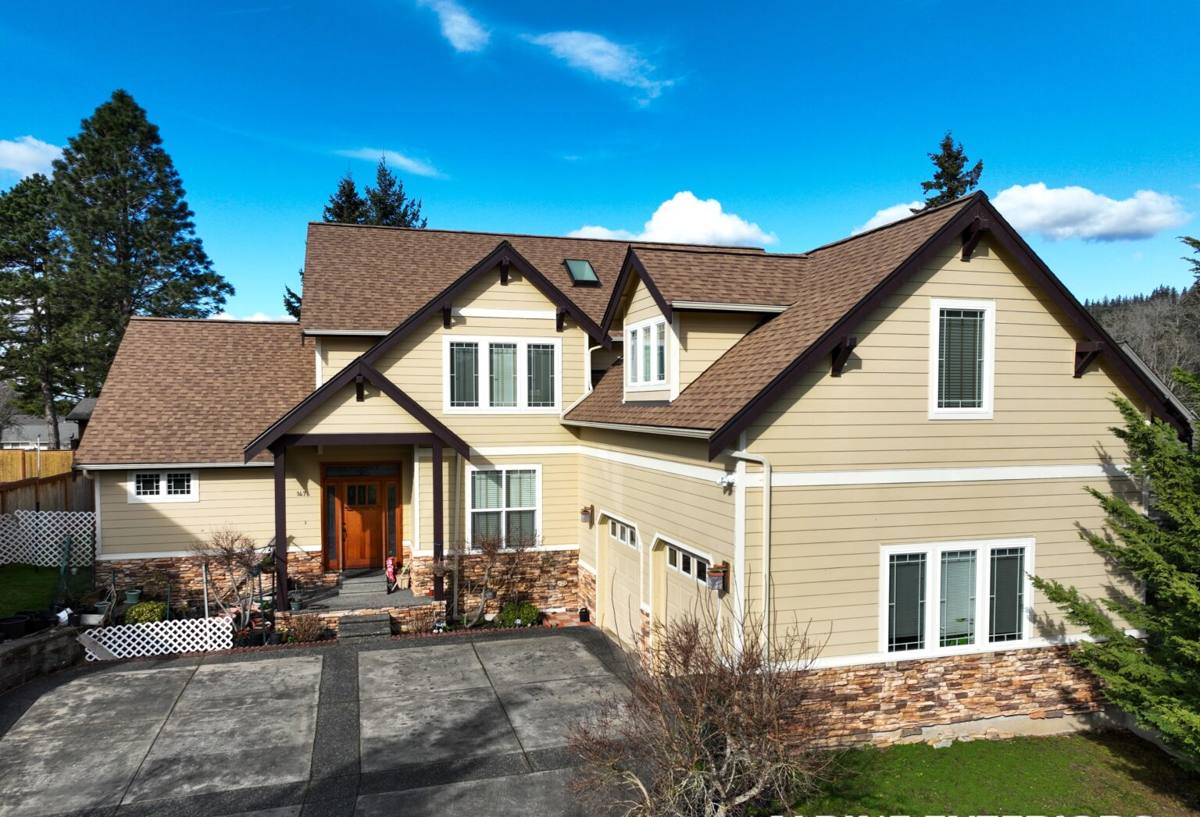
What a Correct Window Installation Involves
Whether it's one window or a whole-house replacement, the fundamentals don't change — but on Guemes, every one of these steps carries more weight because there's less room for a do-over.
Assessment and Measurement
We start by looking at the actual opening, not assuming it matches a catalog size. Older island homes in particular often have openings that were framed to whatever made sense decades ago, and we check for rot, out-of-square framing, or prior water damage before anything gets ordered. This is also where we confirm what we're removing and what condition the surrounding wall assembly is in.
Removal Without Collateral Damage
Old windows come out carefully, with attention to the siding, trim, and sheathing around the opening. On a wind-exposed site, we also plan removal around weather — you don't want an opening sitting exposed to a squall coming off the water any longer than necessary.
Flashing and Weatherproofing
This is the step that decides whether a window lasts fifteen years or leaks in five, and it's the one we spend the most time on for island homes specifically. Flashing has to be sequenced so water is directed out and down at every layer — sill pan, jamb flashing, head flashing, and the housewrap or building paper integration — with no reliance on caulk alone to do the job. On a site with more direct wind and rain exposure, we don't cut corners on lap lengths or fastener patterns just because they're "usually fine" elsewhere.
Setting, Shimming, and Sealing
The window gets set plumb, level, and square, shimmed correctly so it isn't relying on the frame to hold its shape, and sealed with materials rated for sustained coastal exposure rather than a generic interior-grade product.
Trim and Finish
Exterior trim gets integrated to shed water away from the window rather than channeling it toward the frame, and finished to match the rest of the house.
Quick Checklist Before You Hire Anyone for This
- Ask how they plan around ferry logistics for materials and crew — this should be a real answer, not an afterthought
- Confirm the flashing plan is specific to your opening, not a generic description
- Ask what happens if weather delays a scheduled install day on the island
- Get a realistic lead time in writing, especially for custom or special-order sizes
- Ask what hardware and fastener materials they use for a saltwater-exposed site
- Confirm labor and product warranties separately — they're rarely the same coverage
Choosing Window Materials for an Island Site
Frame material matters more on Guemes than it does a few miles inland, simply because the exposure is higher. We'll walk through the honest trade-offs for your specific home rather than defaulting to whichever product is easiest to install.
| Frame Material | How It Handles This Climate | Trade-Off |
|---|---|---|
| Vinyl | Resists salt corrosion well since there's no bare metal hardware exposed on the frame face; low maintenance | Fewer color and profile options than fiberglass or wood |
| Fiberglass | Very stable in temperature swings and holds paint or finish well over time in wet, salty air | Higher upfront cost than vinyl |
| Wood (exterior-exposed) | Traditional look, but exterior wood in direct salt air and driving rain needs consistent upkeep | Highest long-term maintenance burden on an exposed island site |
| Wood-clad (composite or metal exterior, wood interior) | Combines a low-maintenance exterior with a wood interior look | Cladding quality varies — worth asking specifically how the manufacturer protects the clad exterior at joints and sills |
Our Process on Guemes Island
- On-site assessment — we look at the actual openings, note condition issues, and confirm what's realistic given the home's age and exposure
- Honest recommendation — stock replacement, custom order, or opening repair first, explained plainly
- Ordering with ferry-aware lead times — we build the boat schedule into the timeline rather than treating it as a surprise
- Materials staged before crossing — everything needed is confirmed and loaded before the crew heads to the island, to avoid a wasted trip or a delayed job
- Installation and flashing — set, shimmed, and flashed to a sequence built for wind- and salt-exposed sites
- Trim, finish, and walkthrough — exterior integration matched to the house, with a final check before we leave
Cost Factors for Island Window Projects
We won't quote a number without seeing the openings, but a few factors consistently move price on Guemes Island work specifically, beyond the usual window size and material questions.
| Factor | Why It Matters on Guemes |
|---|---|
| Ferry scheduling | Trips are timed around sailings, which affects crew hours and how many days a project needs |
| Lead time for custom sizes | Older island homes often need non-standard sizes, and special orders take longer to arrive |
| Site exposure | Waterfront or wind-exposed lots may call for higher-spec sealants and fasteners |
| Opening condition | Rot or old flashing failures found during removal add repair work before the new window goes in |
| Number of windows | A whole-house project has better per-window economics than one or two individual replacements |
| Access to the home | Some island properties have limited driveway or staging space, which affects how materials are moved on site |
Why a Crew That Already Works Guemes Island Matters
Manufacturer installation guides assume average conditions — a sheltered, mainland lot with normal delivery logistics. Guemes doesn't match that description on either count. A contractor who hasn't worked the island before is figuring out ferry timing, weather windows, and site access for the first time on your project, at your expense in delays and disruption. We've made the crossing enough times to know how to stage a job so the boat schedule doesn't turn a two-day install into a week, and we know which flashing and fastener choices are worth the extra time on a site that gets more direct wind and salt exposure than a comparable house in town.
That experience also means fewer surprises once the crew is on-site — we've already accounted for the logistics that catch other contractors off guard, so the actual installation day is about doing the work correctly, not troubleshooting how to get materials there in the first place.
Ready When You Are
If you're planning a window replacement or a full-house project on Guemes Island, it's worth having someone look at the actual openings and talk through the logistics before you start pricing units. We offer free, no-pressure estimates for Guemes Island homeowners — use the form below to get a time on the schedule.